





What's Happening?
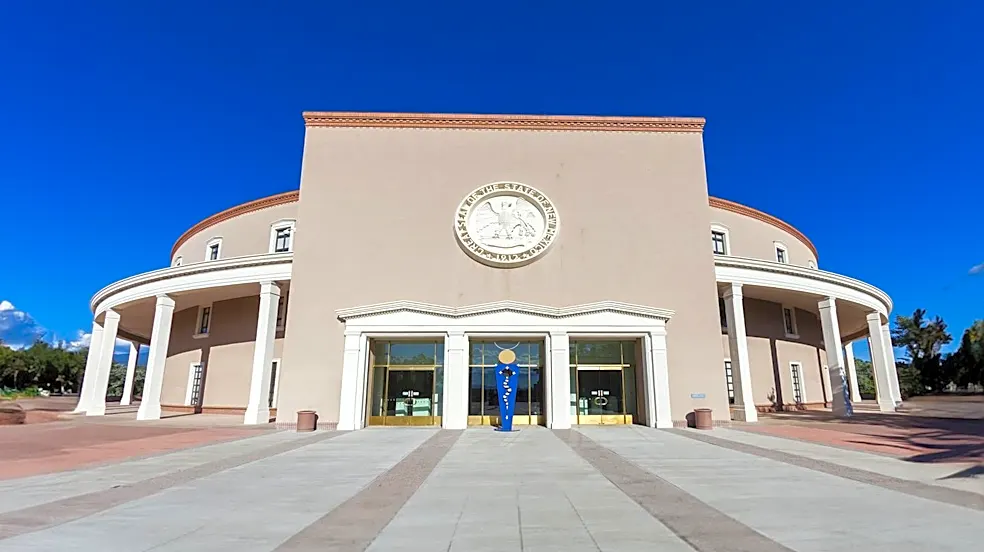
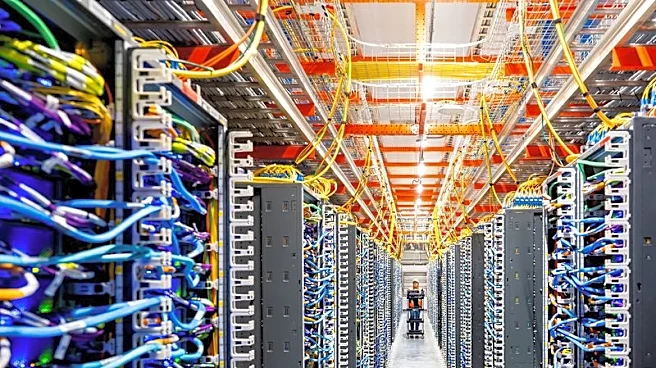
Data center developers, including Oracle and Google, are increasingly looking to New Mexico for new projects, driven by the state's economic development priorities and efforts to diversify beyond its traditional reliance on oil and gas. Oracle's 'Project
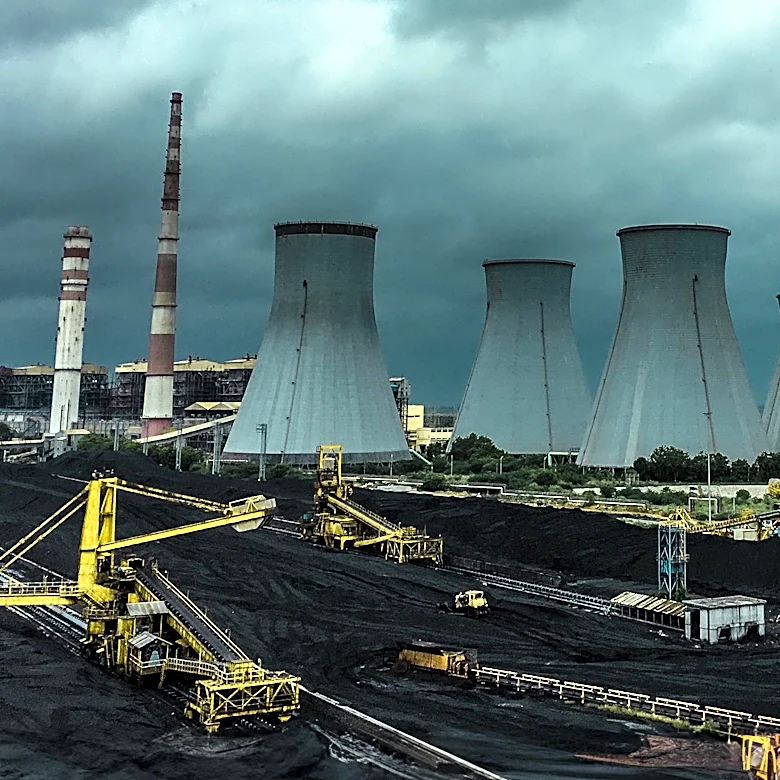
Jupiter' and Google's proposed data center in Lea County are examples of this trend. While these projects promise high-wage jobs and significant investment, they also face public opposition due to concerns about their impact on energy, water, infrastructure, and local communities. New Mexico's administration has encouraged this development, offering tax breaks and support programs. However, the state's 2019 Energy Transition Act, which mandates a transition to renewable energy, presents a challenge, as current state law exempts microgrids from carbon-free mandates, a loophole that developers like E2B4's Chris Kameir find 'very useful' for their plans to initially build natural-gas power plants. Public sentiment, as indicated by a September Journal Poll, shows 65% opposition to large data center developments in the state.
Why It's Important?
The influx of data center development in New Mexico signifies a critical juncture for the state's economic future and its environmental commitments. On one hand, these projects offer a pathway to economic diversification, creating high-quality jobs and attracting substantial investment, which could reduce the state's historical dependence on the volatile oil and gas sector. On the other hand, the significant energy and water demands of hyperscale data centers pose considerable challenges to New Mexico's environmental goals and resource management. The reliance on natural gas for initial power generation, despite the state's renewable energy mandates, highlights a tension between economic growth and climate objectives. The public's opposition underscores a broader societal debate about the trade-offs involved in attracting tech investment, particularly concerning the strain on local resources and infrastructure. This situation could set a precedent for how other states balance technological advancement with environmental sustainability and community concerns.
What's Next?
Data center projects in New Mexico are moving forward despite public opposition, with developers like E2B4 planning to start building natural-gas power plants by the fourth quarter of 2028, with a long-term vision to transition to small modular nuclear reactors. Google's project in Lea County is slated to begin construction in 2027, with operations potentially starting in late 2029, and aims for over 50% carbon-free energy. The state's Economic Development Department continues to evaluate proposals, emphasizing that any state investment must benefit New Mexicans and address concerns about resource management and fair wages. The ongoing debate over microgrid exemptions from renewable energy mandates will likely continue in future legislative sessions, as the state grapples with balancing economic incentives for data centers with its broader energy transition goals. The success or failure of these projects in addressing community concerns and environmental impacts will influence future investment and policy decisions in New Mexico.
Beyond the Headlines
The situation in New Mexico reflects a broader national and global challenge: how to accommodate the rapidly growing demand for data centers, fueled by artificial intelligence and other emerging technologies, while adhering to environmental sustainability goals. The tension between economic development and environmental protection is particularly acute in states like New Mexico, which are rich in natural resources but also vulnerable to climate change impacts. The reliance on natural gas as an interim power source for data centers, even with long-term plans for renewable or nuclear energy, raises questions about the true 'green' credentials of the tech industry's expansion. Furthermore, the public's resistance highlights a growing awareness of the local impacts of large-scale industrial projects, prompting a re-evaluation of how communities are engaged and how benefits are distributed. This scenario could lead to innovative policy solutions that integrate sustainable practices into economic development strategies, or it could exacerbate conflicts between industry, government, and local populations.