







What's Happening?
China's influence on global commodity markets is evolving, with a notable divergence in commodity price movements from the country's overall growth pace since 2022. Historically, commodity prices, including crude oil, copper, corn, wheat, and soybean
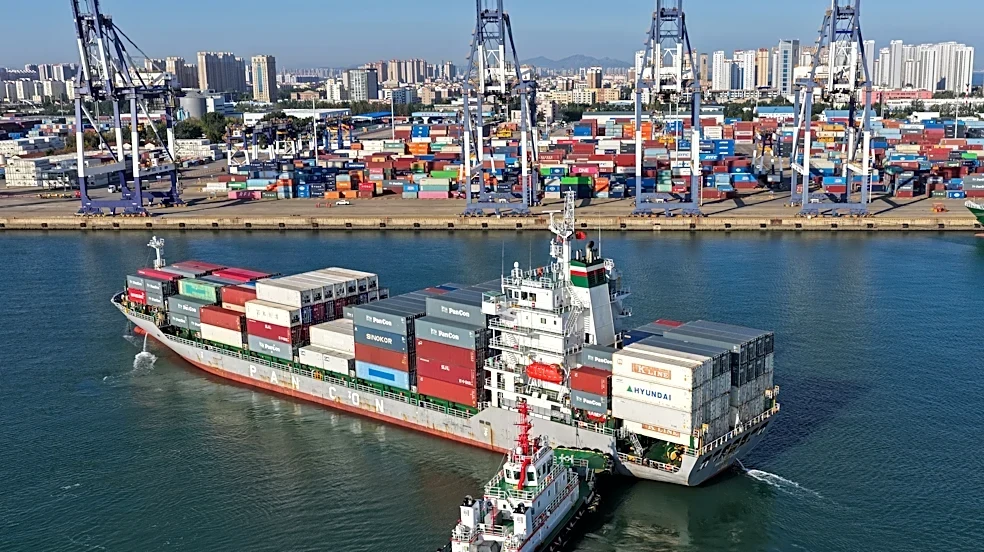
oil, closely tracked China's economic growth. However, complex internal dynamics, technological advancements, a shift towards green manufacturing, and geopolitical events like the conflict in the Middle East have altered this relationship. While some sectors, such as international trade and industrial production, are booming—driven by exports of electric vehicles (EVs) and solar panels—others, like the real estate sector, are facing significant headwinds. This has led to a situation where China's economy presents a mixed picture, with some indicators showing strong growth while others suggest contraction.
Why It's Important?
This changing dynamic in China's economy has profound implications for global commodity markets and U.S. industries. The traditional correlation between China's broad economic growth and commodity prices is weakening, making it more challenging for market participants to predict price movements. For instance, while booming EV sales create strong demand for copper, they simultaneously depress demand for crude oil and refined products. This divergence means that U.S. businesses and investors need to adopt a more nuanced understanding of China's economy, focusing on specific sector-level trends rather than broad macroeconomic indicators. Industries reliant on commodities previously tied to China's overall growth may experience increased volatility and require adjusted strategies to navigate these new market complexities. The shift also highlights China's growing self-sufficiency in certain manufacturing sectors, potentially impacting global supply chains and trade balances.
What's Next?
The future trajectory of China's economy and its impact on commodity markets will depend on several factors. The government's efforts to address challenges in the real estate sector and manage its growing debt burden will be crucial. Continued investment in green manufacturing and technological innovation is expected to sustain demand for specific commodities like copper, while potentially reducing demand for others. Global commodity markets will likely remain sensitive to China's policy decisions, particularly those related to industrial production, trade, and environmental initiatives. U.S. businesses should anticipate continued shifts in commodity demand patterns and supply chain dynamics, necessitating agile adaptation and strategic planning to capitalize on emerging opportunities and mitigate risks in this evolving landscape.
Beyond the Headlines
Beyond the immediate economic implications, China's evolving influence on commodity markets reflects a deeper structural transformation within its economy and its role in the global order. The emphasis on green manufacturing and technological self-reliance signifies a strategic pivot away from traditional growth models. This shift has broader geopolitical ramifications, as China seeks to reduce its dependence on foreign technologies and resources while asserting its leadership in new industrial sectors. For the U.S., this means navigating a more complex economic relationship with China, characterized by both competition and interdependence. Understanding these underlying shifts is essential for developing effective long-term economic and foreign policy strategies that account for China's changing economic footprint and its ripple effects across global markets.