




What's Happening?
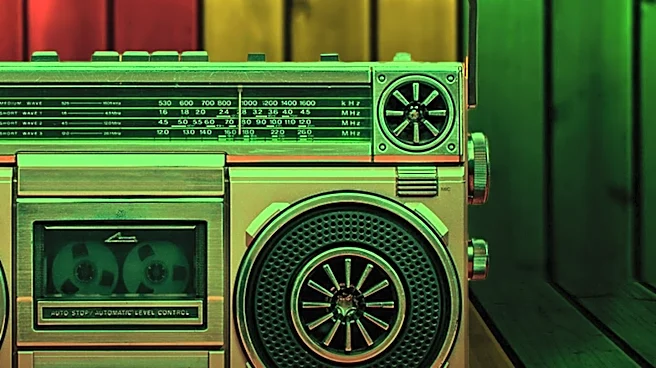
Reggae music has undergone a significant evolution over nearly six decades, transitioning from its origins in Kingston dancehalls to influencing global music genres. The genre emerged after Jamaica's independence in 1962, initially blending jazz, swing,
pop, and rock and roll with a distinct off-beat guitar rhythm and patois-rich vocals. Key milestones include the birth of the term 'reggae' with Toots and the Maytals' 'Do the Reggay' in 1968, and Desmond Dekker and the Aces' 'Israelites' achieving international breakthrough in 1969, introducing reggae to mainstream markets in the US and UK. The 1970s saw the rise of iconic figures like Bob Marley and Jimmy Cliff, whose works like 'No Woman, No Cry' and 'The Harder They Come' soundtrack significantly expanded reggae's global reach. The mid-1980s marked a transformative period with the digital revolution in reggae, exemplified by Wayne Smith's 'Under Mi Sleng Teng' in 1985, which introduced the first fully computerized riddim. Subsequent decades witnessed the emergence of dancehall artists like Shabba Ranks and Shaggy, achieving crossover success with hits such as 'Mr. Loverman' and 'It Wasn’t Me,' and later Sean Paul dominating the mid-2000s with tracks like 'Temperature.' More recently, a 'reggae revival' in the 2010s, led by artists like Protoje and Chronixx, emphasized acoustic instrumentation and conscious lyricism, while artists like Koffee have made history in the streaming era, becoming the youngest solo act and first female artist to win a Grammy for Best Reggae Album.
Why It's Important?
The continuous evolution of reggae music over six decades underscores its profound cultural and artistic significance, not only within Jamaica but also globally. Its influence on diverse genres such as hip-hop, punk, R&B, and pop highlights its role as a foundational musical movement that transcends geographical and cultural boundaries. The genre's ability to adapt, from spiritual messages to hardcore dancehall energy and digital innovations, demonstrates its resilience and enduring appeal. The international success of artists like Desmond Dekker, Bob Marley, Shaggy, and Sean Paul has been crucial in introducing Jamaican culture and music to a worldwide audience, fostering cross-cultural understanding and appreciation. The 'reggae revival' and the achievements of contemporary artists like Koffee signify the genre's ongoing vitality and its capacity to resonate with new generations while maintaining its core impulse of speaking plainly and rhythmically about real experiences. This sustained global presence and influence contribute significantly to the U.S. music industry, enriching its diversity and providing a continuous source of inspiration and collaboration for American artists and producers.
What's Next?
The reggae music landscape is expected to continue its dynamic evolution, particularly within the streaming era. Artists like Popcaan, Skillibeng, and Masicka are currently dominating Jamaican streaming charts, indicating a shift in how reggae and dancehall music is consumed and distributed. The blurring lines between roots reggae, dancehall, and Afrobeats suggest a future of increased genre fusion and innovation, potentially leading to new sounds and wider global appeal. The continued success of established artists like Shaggy, Bob Marley, and Sean Paul in streaming figures, alongside the rise of new talents, indicates a robust and diverse future for the genre. This ongoing evolution will likely see more artists leveraging digital platforms to reach international audiences, further solidifying reggae's place in the global music scene. Future developments may also include more collaborations across genres and regions, further expanding reggae's influence and ensuring its continued relevance in the U.S. and international music markets.
Beyond the Headlines
Beyond its chart successes and genre evolution, reggae music carries deeper ethical, cultural, and social implications. From Desmond Dekker's plea for workers' dignity in 1969 to Bob Marley's acoustic protest songs rooted in freedom and Black liberation, reggae has consistently served as a powerful voice for social commentary and advocacy. The genre's ability to speak plainly and rhythmically about real experiences has fostered a unique connection with listeners, often addressing themes of spirituality, struggle, and resilience. The influence of reggae on the development of reggaeton, as seen with Shabba Ranks' 'Dem Bow,' illustrates its profound impact on other musical forms and cultural identities within the Caribbean diaspora and beyond. This cultural exchange highlights how music can transcend entertainment to become a vehicle for identity, protest, and community building. The ongoing success and adaptation of reggae music underscore its role as a living cultural heritage, continually shaping and reflecting societal narratives across the globe, including within the diverse cultural fabric of the U.S.