




What's Happening?
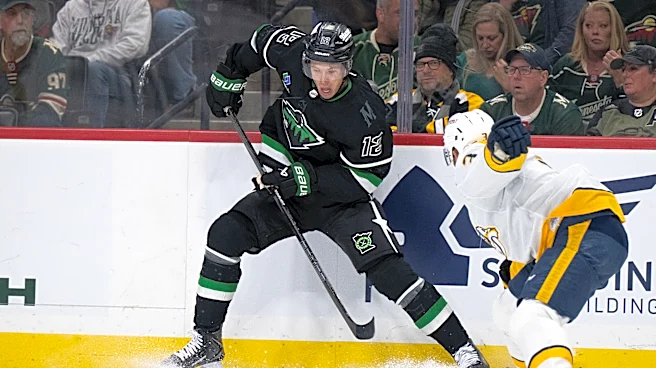
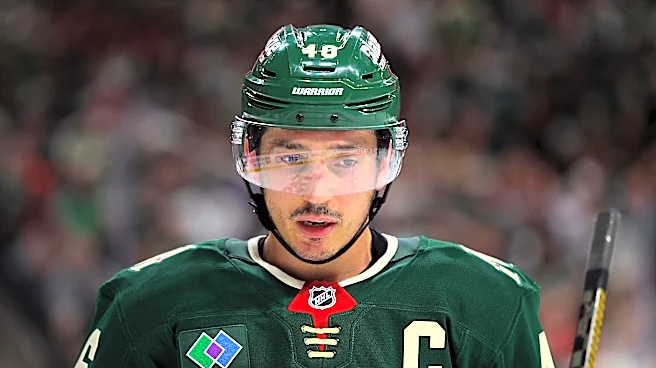
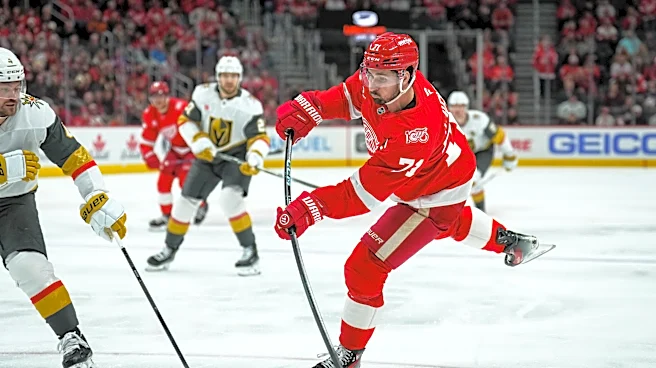
The Minnesota Wild, currently leading the Central Division, Western Conference, and the entire NHL with 38 points, are actively seeking to acquire an established center to enhance their team depth. Despite their dominant performance, which includes ranking
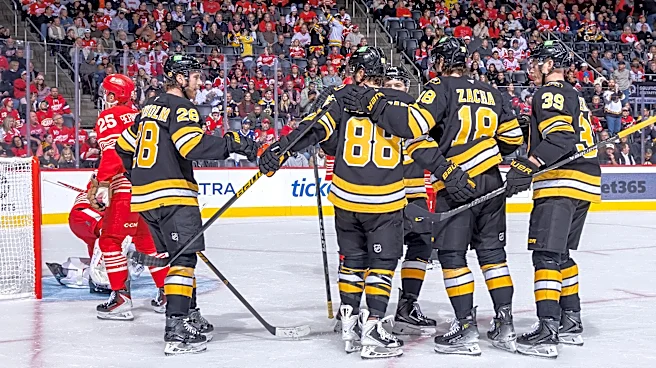
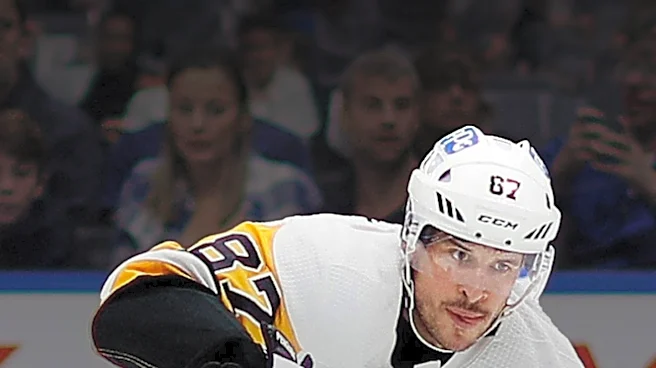
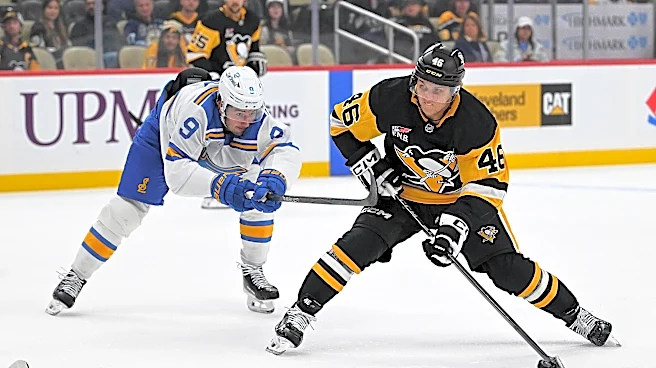
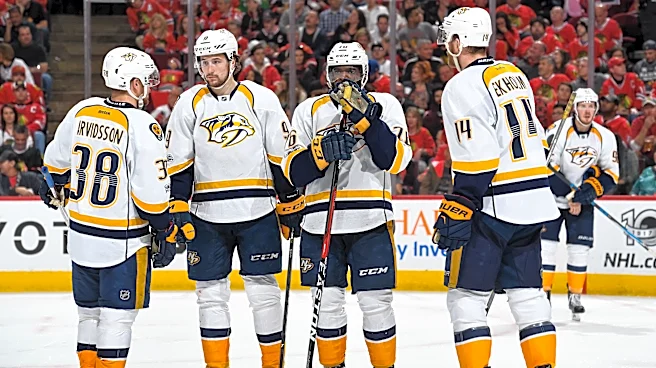
seventh in goals scored per game and first in goals allowed per game, the Wild's front office believes there is room for improvement. While their primary target has been Dylan Larkin of the Detroit Red Wings, reports indicate that the Red Wings are unwilling to engage in trade discussions involving him. This has prompted the Wild to explore alternative options, including veteran second-line centers like Evgeni Malkin, Ryan O'Reilly, and Pavel Zacha, as well as potential blockbuster moves for Elias Pettersson or Mathew Barzal. Additionally, lower-end depth options such as Morgan Frost, Andrew Copp, and Kirby Dach are being considered to bolster the roster.
Why It's Important?
The Minnesota Wild's pursuit of a top-tier center highlights a strategic move to capitalize on their exceptional start to the 2026-27 NHL season. Acquiring an established center could significantly strengthen their offensive capabilities and provide crucial depth, potentially transforming them into a stronger contender for the Stanley Cup. The decision to look beyond Dylan Larkin, due to the Red Wings' reluctance, demonstrates the Wild's commitment to improving their roster through various avenues. The potential acquisition of a player like Evgeni Malkin or Ryan O'Reilly could bring veteran leadership and proven scoring ability, while a blockbuster trade for Elias Pettersson or Mathew Barzal could be a franchise-altering move. This aggressive approach signals the Wild's intent to maximize their current competitive window and address any perceived weaknesses, even while performing at an elite level.
What's Next?
The Minnesota Wild's front office will continue to evaluate trade targets as they navigate the NHL season. With Dylan Larkin seemingly off the table, the focus will shift to other available centers who can fit the team's stylistic needs and financial parameters. Negotiations with other teams for players like Evgeni Malkin, Ryan O'Reilly, Pavel Zacha, Elias Pettersson, or Mathew Barzal are likely to intensify. The Wild will need to assess the cost of acquisition in terms of prospects and draft picks versus the immediate impact a new center could have. The outcome of these trade discussions will significantly influence the team's trajectory for the remainder of the season and potentially for several years to come, as they aim to solidify their position as a top contender in the league.
Beyond the Headlines
The Minnesota Wild's proactive stance in seeking a trade for an established center, even while leading the league, reflects a broader trend in professional sports where successful teams continuously look for marginal gains to secure championships. This strategy underscores the competitive nature of the NHL, where standing pat, even with a strong roster, can be seen as a missed opportunity. The willingness to explore various tiers of players, from veteran free agents to high-impact stars, indicates a flexible and determined management approach. This pursuit also highlights the intricate dance of player valuations, contract negotiations, and team chemistry considerations that general managers must navigate. The eventual acquisition, or lack thereof, will not only impact the Wild but could also trigger a ripple effect across the league as other teams adjust their strategies in response to significant player movements.