

What's Happening?
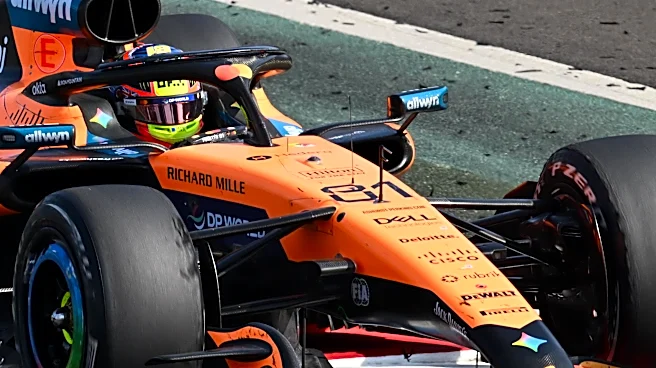
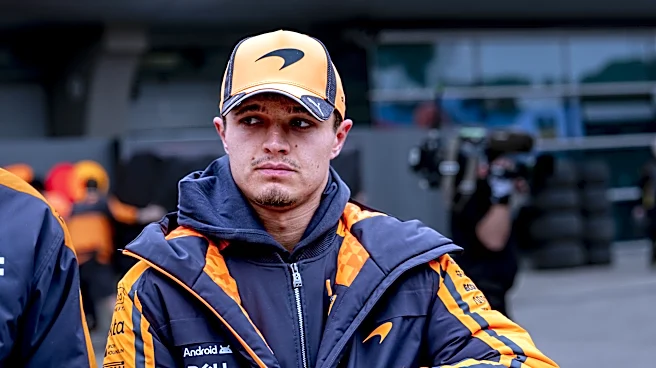
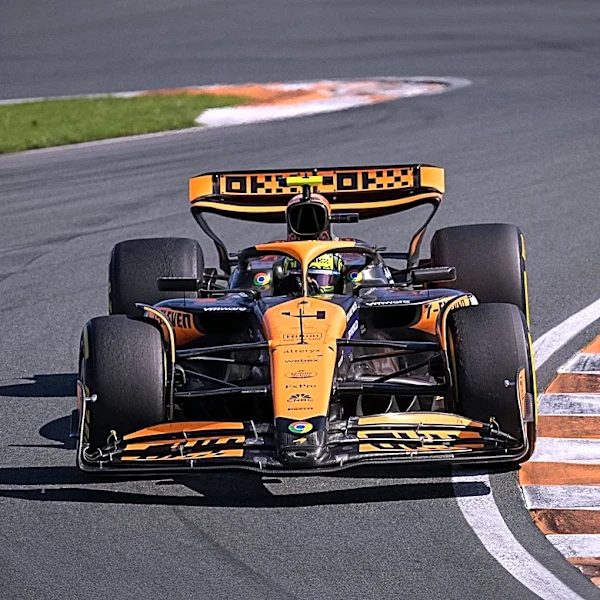
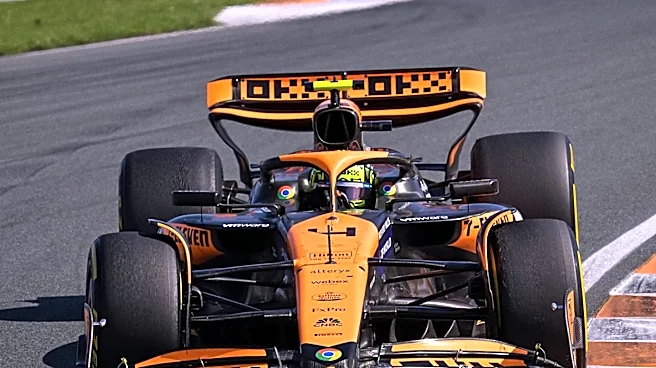
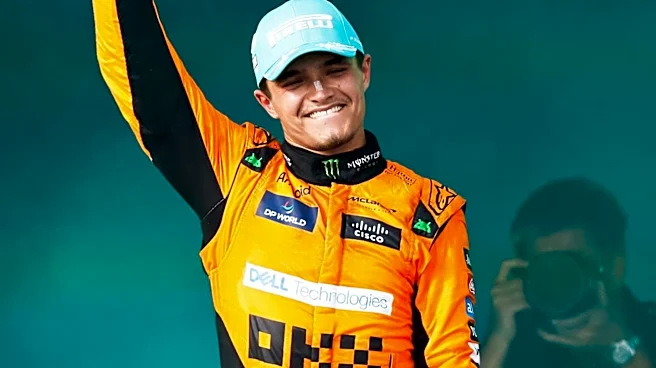
McLaren driver Lando Norris has voiced apprehension regarding the new upgrade package introduced by his team for the Formula 1 Grand Prix of Brazil. The upgrades, which include a new front wing, rear wing, and floor components, are intended to boost performance.
However, Norris is not convinced they will improve the car's handling and fears they might even make it more challenging to drive. He stated that the car has been consistently difficult to drive throughout the season, and other teams have introduced more significant upgrades. Norris also believes that McLaren's intense focus on winning the Constructors' and Drivers' Championships in 2025 may have negatively impacted their preparations for the major regulation changes slated for 2026, leading to the current performance struggles. Despite a mid-season surge, the 2026 car's performance has declined, a point of frustration for Norris and teammate Oscar Piastri.
Why It's Important?
This development is significant for McLaren and the broader Formula 1 landscape. McLaren's struggles with car handling and the effectiveness of their upgrades could impact their competitive standing in the current season and potentially influence their strategy for future car development. If the upgrades fail to improve handling, it could further demoralize the team and drivers, affecting their performance in upcoming races. The admission that their 2025 championship push compromised 2026 preparations highlights the delicate balance teams must strike between immediate success and long-term planning, especially with significant regulatory shifts. This situation could serve as a cautionary tale for other teams in highly competitive sports, emphasizing the potential trade-offs involved in prioritizing short-term gains over future readiness. The performance of top teams like McLaren has a ripple effect on sponsorship, fan engagement, and the overall competitive narrative of the sport.
What's Next?
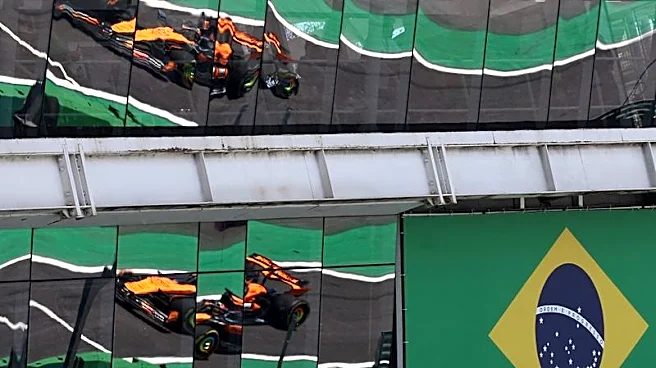
The immediate focus for McLaren will be to assess the impact of the new upgrades during the Sao Paulo Grand Prix. The team will closely monitor the car's performance and handling characteristics to determine if Norris's concerns are validated. Depending on the outcome, McLaren may need to re-evaluate its development strategy for the remainder of the season and intensify its efforts for the 2026 regulation changes. Other teams will likely observe McLaren's situation, potentially learning from their challenges in balancing current competition with future development. The team's engineers will be working to understand the car's fundamental problems and find solutions to improve its drivability. Future races will reveal whether McLaren can overcome these handling issues and regain their competitive edge, or if their struggles will persist, impacting their championship aspirations.
Beyond the Headlines
The situation at McLaren extends beyond immediate race results, touching upon the strategic complexities inherent in high-stakes professional sports. The trade-off between pursuing current championship titles and preparing for future regulatory changes presents a profound dilemma for team management. McLaren's decision to prioritize the 2025 titles, despite knowing it might 'pay the price' in 2026, reflects a calculated risk. This scenario highlights the intense pressure on Formula 1 teams to perform consistently while also innovating for the future. It also underscores the psychological impact on drivers like Norris, who must contend with a difficult car despite the team's best efforts. The long-term implications could influence how other teams approach similar strategic decisions, potentially leading to a re-evaluation of resource allocation between current season performance and future technological advancements. This dynamic interplay between short-term ambition and long-term sustainability is a constant challenge in elite motorsports.