




What's Happening?
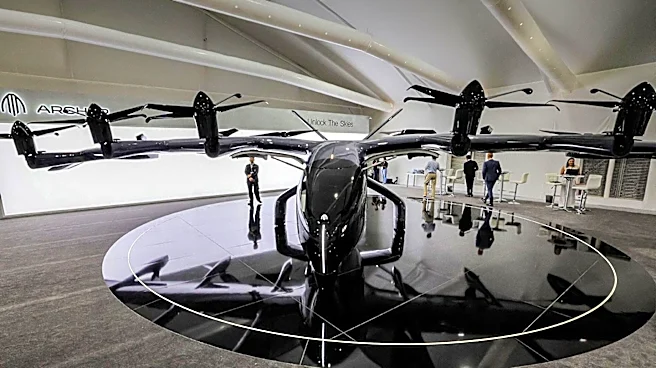
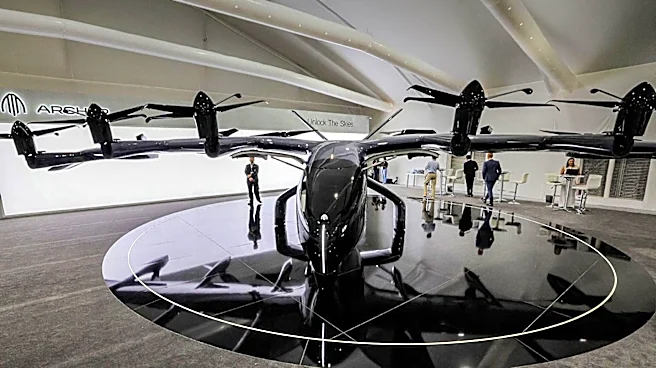
Shares of Archer Aviation (NYSE:ACHR) have fallen over 52% this year, driven by investor concerns regarding significant losses and high cash burn. The company reported a third-quarter loss of $274.6 million, more than double the previous year, despite
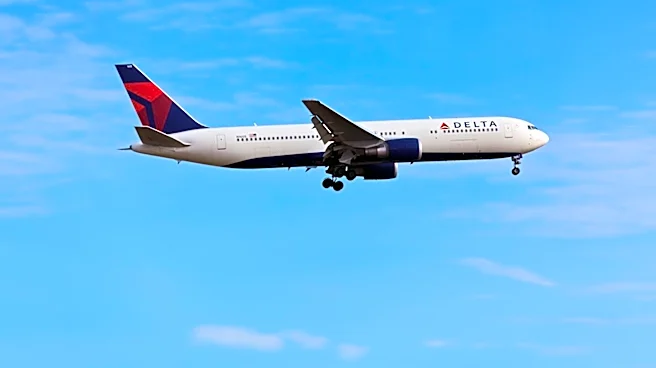
generating $5.1 million in revenue. This decline is occurring as Archer begins production at its manufacturing facility in Covington, Georgia. The broader context includes recent technical failures within the air travel system, such as a nationwide ground stop by the Federal Aviation Administration (FAA) due to a router malfunction and a 90-minute system outage at United Airlines. These incidents have prompted concerns from United CEO Scott Kirby about the readiness of the nation's air traffic control system for electric vertical take-off and landing (eVTOL) aircraft.
Why It's Important?
The performance of Archer Aviation's stock and the broader challenges faced by the eVTOL industry highlight the critical dependence on regulatory bodies like the FAA and the existing air traffic control infrastructure. While the recent technical issues at the FAA and United Airlines do not directly reflect flaws in Archer's aircraft, they underscore potential bottlenecks in the certification and integration of eVTOL technology into the National Airspace System. An aging IT infrastructure, staffing shortages, and outages within the FAA could divert resources from eVTOL rule-making and the review of certification data, potentially delaying the timeline for commercial operation of these aircraft. This situation could also lead regulators to adopt a more risk-averse stance, imposing stricter validation and redundancy requirements, which would further impact development and deployment schedules for companies like Archer Aviation.
What's Next?
The immediate future for Archer Aviation and the eVTOL industry will largely depend on the FAA's ability to address its infrastructure challenges and streamline the certification process for new aircraft. Continued technical issues within the FAA could lead to further delays in Type certification and National Airspace System integration for eVTOLs. Archer Aviation will need to navigate these regulatory hurdles while continuing its manufacturing ramp-up at its Covington, Georgia facility. The company's financial performance, characterized by significant losses and high cash burn, will also remain a key focus for investors. The industry will be closely watching for any signs of modernization or increased resource allocation towards eVTOL integration from the FAA, as this will be crucial for the urban air mobility timeline.
Beyond the Headlines
The challenges faced by Archer Aviation and the broader eVTOL sector extend beyond technical development and financial performance; they touch upon the fundamental readiness of national infrastructure for disruptive technologies. The incidents with the FAA and United Airlines reveal a systemic vulnerability in the existing air traffic control system, which was not designed to accommodate the anticipated volume and operational characteristics of eVTOL aircraft. This situation raises questions about the pace of technological adoption in highly regulated sectors and the need for proactive investment in infrastructure upgrades. The long-term success of urban air mobility hinges not just on the innovation of aircraft manufacturers but also on the parallel evolution of regulatory frameworks, air traffic management systems, and public acceptance, highlighting a complex interplay of technological, regulatory, and societal factors.