
What's Happening?
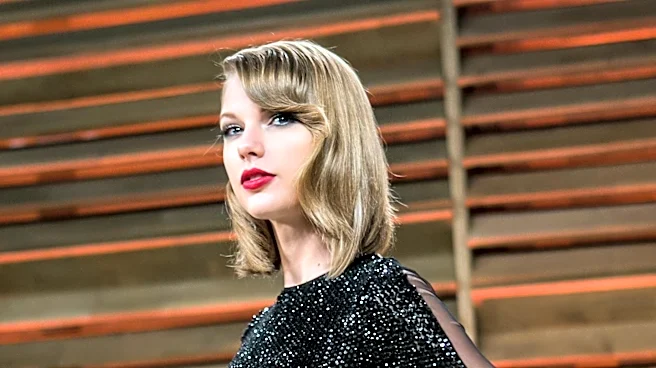
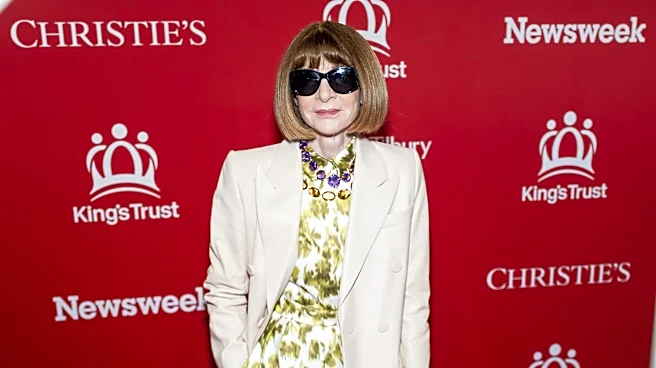
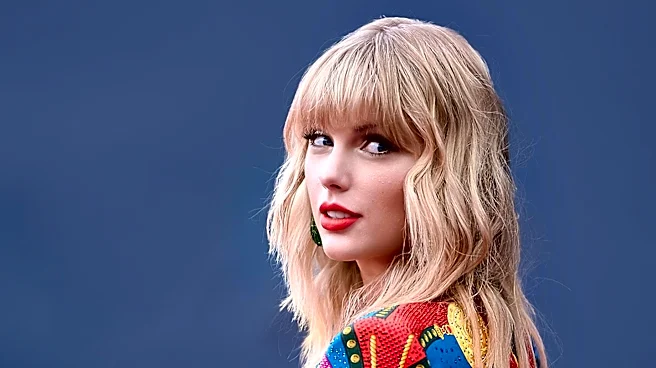
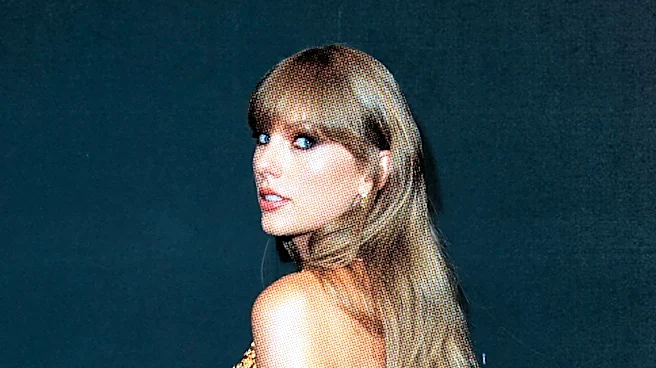
Condé Nast chief content officer Anna Wintour is reportedly unhappy with Vanity Fair's recent profile of Taylor Swift, titled "The Mastermind." The article, written by May Jeong, has generated significant
backlash from fans and media, and is causing internal tension within Condé Nast, the parent company of both Vanity Fair and Vogue. The piece, which referred to Swift only as "The Star" and used pseudonyms for over 100 sources, was described by one music industry professional as comparing Swift to "Regina George." A source close to Swift indicated that Vanity Fair will not be a priority for the artist in the near future. While a representative for Vogue and Wintour denied these claims, stating there is "no truth to any of it" and that Wintour was aware of the article prior to publication, reports suggest Wintour prefers maintaining access to celebrities rather than publishing aggressive pieces.
Why It's Important?
This situation highlights the delicate balance between journalistic integrity and maintaining relationships with influential public figures in the entertainment industry. For Condé Nast, a major media conglomerate, alienating a global superstar like Taylor Swift could have significant repercussions, potentially impacting future collaborations, exclusive content opportunities, and advertising revenue across its publications. The reported internal disagreement also underscores potential conflicts in editorial strategy within a large media organization, where different brands under the same umbrella might have diverging approaches to celebrity coverage. The incident could influence how other media outlets approach profiles of high-profile individuals, potentially leading to more cautious or access-driven reporting to avoid similar controversies and maintain industry relationships.
What's Next?
The immediate aftermath could see a continued cooling of relations between Taylor Swift and Vanity Fair, potentially extending to other Condé Nast publications if the perceived "aggressive" approach is not addressed. Internally, Condé Nast may need to re-evaluate its editorial guidelines regarding celebrity profiles to ensure alignment across its brands and prevent future conflicts that could damage its reputation or access to talent. The incident might also prompt other celebrities to be more selective about which publications they grant access to, potentially shifting the landscape of celebrity journalism towards more controlled narratives. The long-term impact on Anna Wintour's influence within Condé Nast, particularly as she is set to step down from her editor-in-chief role at Vogue in 2025, remains to be seen.
Beyond the Headlines
This event touches upon broader ethical considerations in journalism, particularly the use of anonymous sources and the potential for a "hit piece" to damage a subject's reputation. The article's approach, using pseudonyms and not directly naming Swift, raises questions about transparency and accountability in reporting. Furthermore, it underscores the power dynamics between media organizations and global celebrities, where a negative portrayal can lead to significant public backlash and professional consequences for the publication. The incident also reflects the evolving nature of celebrity culture, where artists like Swift have direct channels to their audience, allowing them to bypass traditional media narratives and potentially influence public perception of journalistic coverage.