








What's Happening?
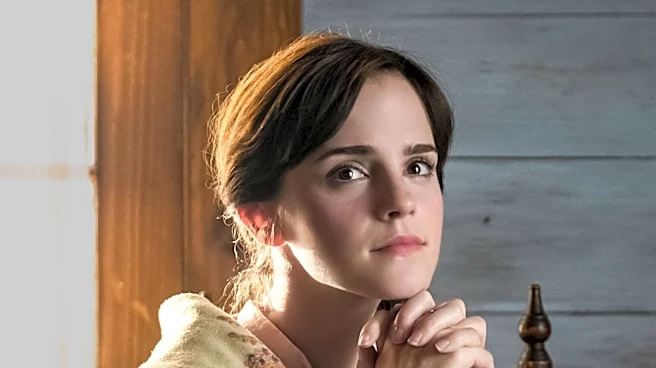
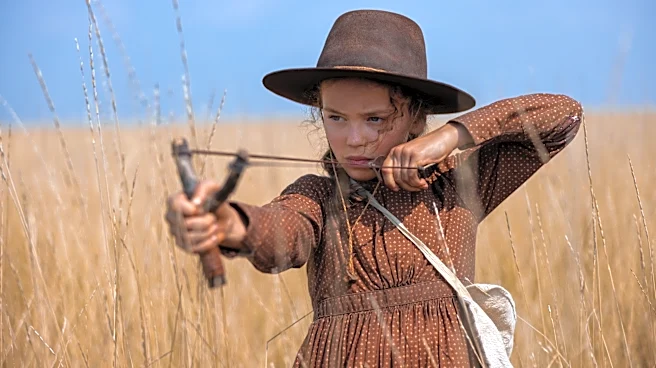
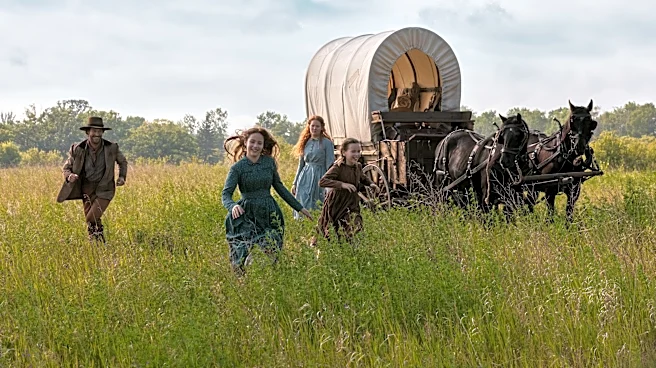
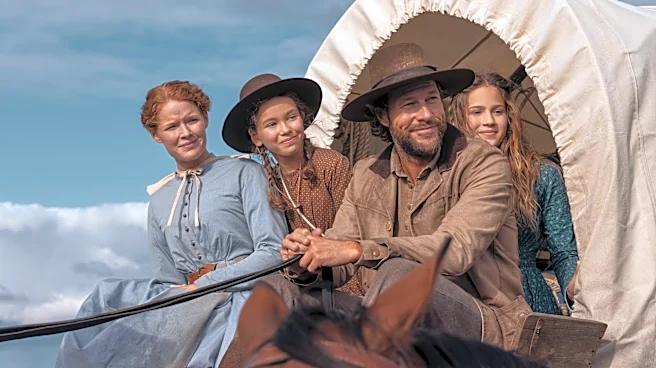
Netflix has released a new adaptation of 'Little House on the Prairie,' created by Rebecca Sonnenshine. The series aims to stay true to Laura Ingalls Wilder's original books while incorporating more historical context. The show features Charles 'Pa' and
Caroline 'Ma' Ingalls, portrayed by Luke Bracey and Crosby Fitzgerald, respectively, as they navigate pioneer life. The series delves into themes of resilience and family, with a focus on the complexities of the time, including the aftermath of the Civil War and interactions with Native American tribes. Sonnenshine has also introduced new characters, such as Dr. George Tann, a Black doctor, to reflect the diverse historical setting.
Why It's Important?
This adaptation of 'Little House on the Prairie' is significant as it attempts to provide a more nuanced portrayal of American pioneer life. By incorporating historical elements and diverse characters, the series offers a broader perspective on the era, challenging traditional narratives. This approach not only enriches the storytelling but also educates viewers about the diverse cultural and social dynamics of the time. The series' focus on family and resilience resonates with contemporary audiences, highlighting timeless themes of hope and connection.
What's Next?
The series is set to continue with a second season, which will take the Ingalls family to Plum Creek, near Walnut Grove, Minnesota. This new setting will introduce additional characters and storylines, further exploring the challenges and triumphs of pioneer life. The show's creators aim to maintain the balance between historical accuracy and engaging storytelling, potentially leading to more discussions about the representation of history in media.
Beyond the Headlines
The series' commitment to historical accuracy and diversity may influence future adaptations of classic literature, encouraging creators to explore untold stories and perspectives. By highlighting the contributions of diverse communities in American history, the show challenges viewers to reconsider preconceived notions about the past. This approach could inspire a broader cultural shift towards more inclusive storytelling in media.