







What's Happening?
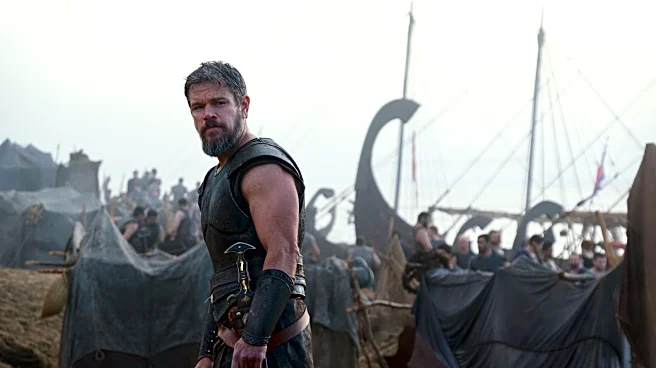
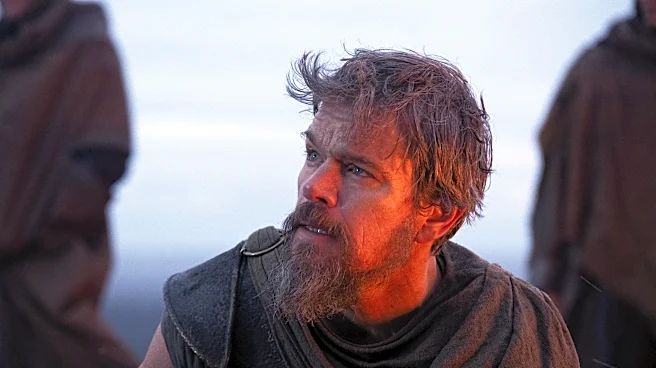
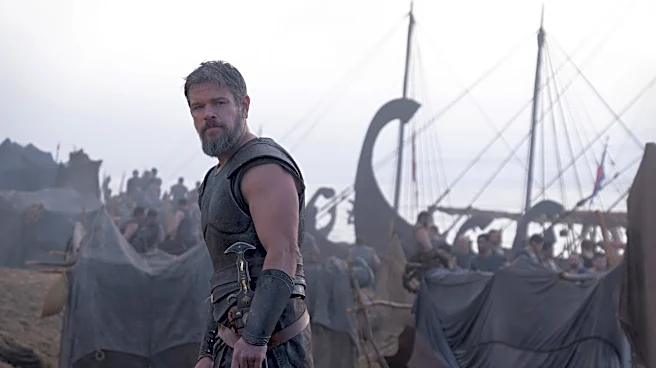
Christopher Nolan's film 'The Odyssey' has come under criticism for filming in Western Sahara, a region considered a 'non-self-governing territory' by the United Nations. The film, which received subsidies from the Moroccan state, is accused of legitimizing
Morocco's occupation of the territory. Prominent figures in cinema, including Javier Bardem and Pedro Almodóvar, have signed an open letter condemning the decision to film in the region without the consent of the Sahrawi people. Western Sahara has been a point of contention since Morocco and Mauritania invaded the territory following Spain's withdrawal in 1975, leading to ongoing disputes and the displacement of Sahrawi people.
Why It's Important?
The controversy surrounding 'The Odyssey' highlights the complex political and ethical issues involved in filmmaking in disputed territories. By choosing to film in Western Sahara, the production has inadvertently become part of a larger geopolitical narrative, drawing attention to the region's unresolved status and the plight of the Sahrawi people. The situation underscores the responsibility of filmmakers to consider the political implications of their location choices and the potential impact on local communities. It also raises broader questions about cultural representation and the role of international cinema in contested regions.