



What's Happening?
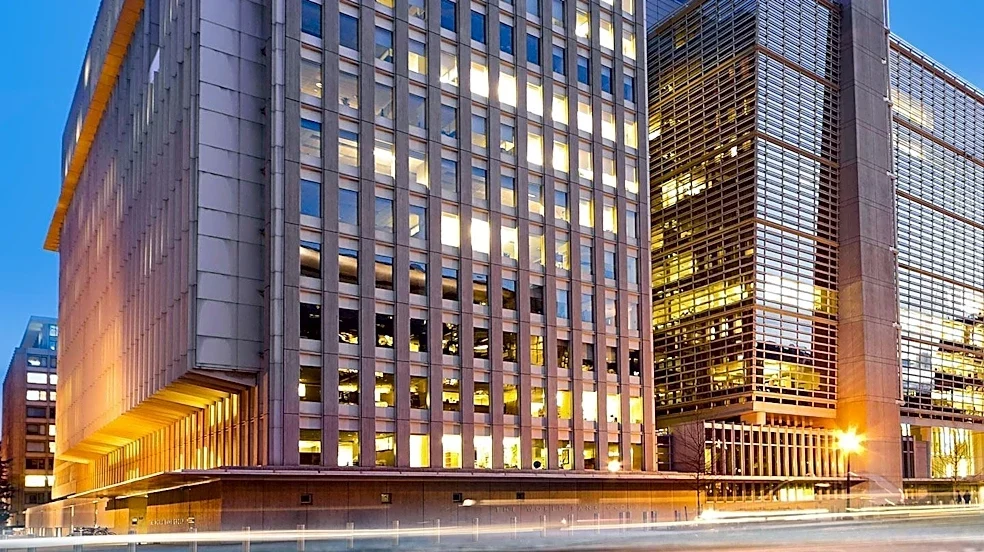
The U.S. office sector continued its recovery in the third quarter, marked by strong leasing activity and a slight decrease in vacancy rates, according to a report by Cushman & Wakefield. The national office vacancy rate remained at 19.8% but saw a 30-basis-point
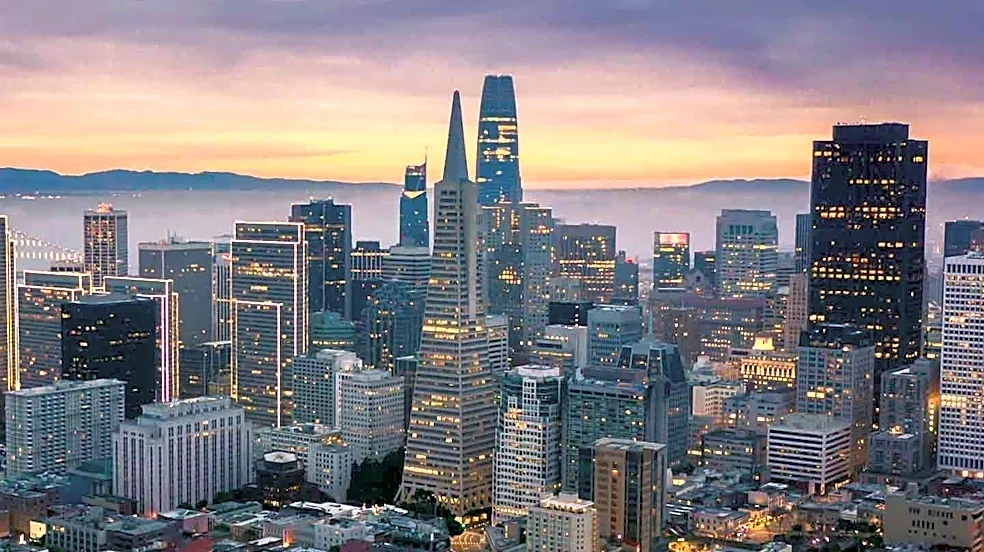
decline year-over-year. Sublease availability has consistently dropped for ten consecutive quarters, now falling below 89 million square feet for the first time since 2020. Net absorption remained positive for the fifth straight quarter, indicating sustained demand. Approximately 25% of U.S. markets experienced a 100-basis-point year-over-year decline in overall vacancy rates. Manhattan led in net absorption during the third quarter with about 8.3 million square feet, followed by San Francisco (3.5 million square feet) and Orange County, California (2.7 million square feet). A key factor contributing to this improvement is the low volume of new construction, with deliveries totaling only 7.1 million square feet through three quarters, the lowest in over 30 years. Additionally, some office spaces are being converted into residential units or repurposed for other uses.
Why It's Important?
This recovery in the office sector, despite a low construction pipeline, signals a potential 'inflection point' for the market. The sustained positive net absorption and declining sublease availability suggest a stabilization and renewed confidence among businesses in physical office spaces. The 'flight to quality' trend, where Class A properties experience lower vacancy rates and higher rents, indicates that companies are prioritizing premium office environments to attract and retain talent, especially in a hybrid work landscape. This trend could lead to a bifurcation in the market, with older, less desirable office buildings struggling to compete. The conversion of office spaces into residential units or other uses is a crucial adaptive strategy, addressing both the oversupply of office space and the demand for housing in urban areas. This repurposing of existing infrastructure contributes to urban revitalization and more efficient land use, impacting local economies and urban planning strategies.
What's Next?
While the office market shows signs of recovery, the low net absorption rate in the third quarter (49,700 square feet) could be a cautionary signal for future growth. However, Cushman & Wakefield remains optimistic, anticipating continued momentum. The construction pipeline is expected to improve, with 23 million square feet of office space currently under construction, a 20% increase from the first quarter's low. This new supply, primarily Class A properties, will likely cater to the 'flight to quality' demand. The ongoing trend of converting older office buildings into residential or mixed-use developments is expected to continue, further reshaping urban landscapes and addressing housing needs. Market participants will closely monitor leasing activity, vacancy rates, and new construction deliveries to assess the long-term trajectory of the office sector and its implications for urban development and investment strategies.
Beyond the Headlines
The dynamics observed in the office sector reflect a broader transformation in how people work and live, accelerated by recent global events. The 'flight to quality' is not merely about aesthetics but also about creating environments that foster collaboration, innovation, and employee well-being, which are critical for companies navigating the complexities of modern work. The repurposing of office buildings into residential units or other uses highlights a sustainable approach to urban development, reducing the environmental impact associated with new construction and revitalizing existing urban cores. This adaptive reuse also has social implications, potentially creating more vibrant, mixed-use neighborhoods and addressing housing affordability challenges. The long-term success of these conversions will depend on factors such as zoning regulations, financial incentives, and the ability of developers to create attractive and functional living spaces from former commercial properties. This trend underscores a fundamental shift in real estate, moving towards more flexible, adaptable, and community-centric urban environments.