








What's Happening?
Alps Electric EMS is emphasizing its three-decade-long history in automotive electronics manufacturing, particularly from its operations in Ireland. The company's extensive experience in OEM (Original Equipment Manufacturer) automotive electronics has significantly
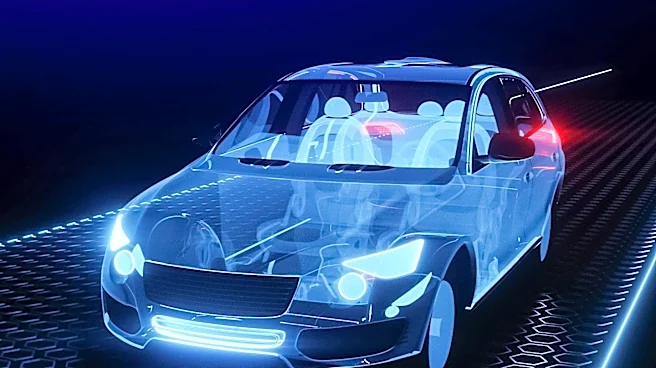
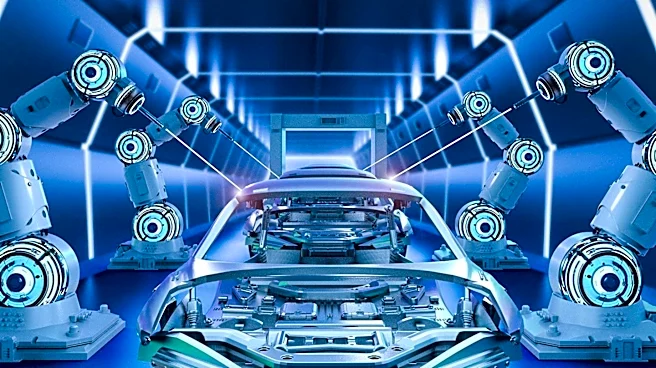
influenced its manufacturing processes. This heritage has instilled a rigorous approach to process control, ensuring complete traceability of components and products, and fostering a culture of continuous improvement. Alps Electric EMS maintains an uncompromising commitment to quality in all its automotive electronic offerings. This foundational experience is now being leveraged to support the development and production of increasingly sophisticated electronics required for modern vehicles. These advanced systems contribute to making cars smarter, safer, and more connected. The company's capabilities span from PCBA (Printed Circuit Board Assembly) and complex electronic assemblies to comprehensive testing, automation, and vertically integrated manufacturing, all consolidated under one roof.
Why It's Important?
Alps Electric EMS's long-standing presence and expertise in automotive electronics manufacturing are crucial for the global automotive industry, including its impact on U.S. markets. As vehicles become more technologically advanced, relying heavily on electronic systems for everything from engine management to advanced driver-assistance systems (ADAS) and infotainment, the demand for high-quality, reliable electronic components is paramount. The company's focus on rigorous process control, traceability, and continuous improvement directly addresses the critical need for safety and reliability in automotive applications. This is particularly important given the stringent regulatory standards in the U.S. and globally. By providing sophisticated electronic solutions, Alps Electric EMS contributes to the innovation cycle in the automotive sector, enabling the development of safer, more efficient, and more connected vehicles that benefit consumers and drive economic growth in related industries. Their integrated manufacturing approach also ensures efficiency and quality control, which are vital for complex supply chains.
What's Next?
Alps Electric EMS is poised to continue its role as a key supplier in the evolving automotive electronics landscape. The company will likely focus on further developing and manufacturing components for emerging automotive technologies, such as electric vehicles, autonomous driving systems, and advanced connectivity features. This will involve ongoing investment in research and development to keep pace with rapid technological advancements and changing industry demands. The emphasis on vertically integrated manufacturing suggests a strategy to maintain tight control over quality and production efficiency, which will be critical as automotive electronics become even more complex. Alps Electric EMS will also need to adapt to new materials, manufacturing processes, and software integration challenges to support the next generation of smart and connected vehicles. Their established expertise and infrastructure position them to be a significant partner for automotive OEMs seeking reliable and innovative electronic solutions.
Beyond the Headlines
The narrative of Alps Electric EMS's three-decade journey in automotive electronics highlights a broader industrial transformation. The automotive sector, traditionally mechanical, has become increasingly reliant on electronics and software, effectively transforming cars into sophisticated computing platforms. This shift has profound implications for manufacturing, supply chains, and workforce development. Companies like Alps Electric EMS are at the forefront of this change, demonstrating how traditional manufacturing can evolve to meet the demands of a high-tech future. The rigorous quality control and traceability mentioned are not just operational details; they are fundamental to ensuring public safety in an era where vehicle malfunctions due to electronic failures can have severe consequences. Furthermore, the integration of advanced electronics into vehicles raises questions about cybersecurity, data privacy, and the long-term sustainability of complex electronic systems, all of which will require ongoing innovation and collaboration across the industry.