






What's Happening?
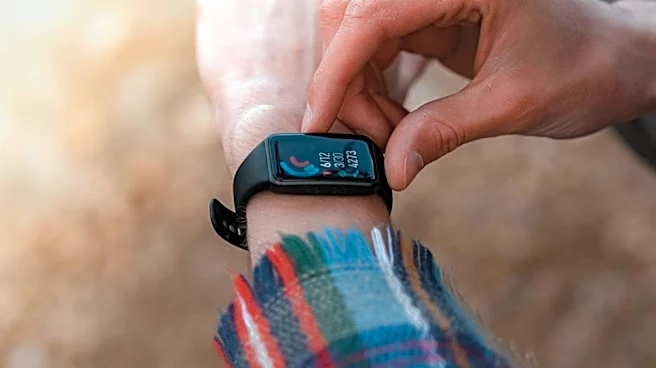
Wearable technology designed for high-altitude and hypoxic training is rapidly evolving, with a strong emphasis on advanced pulse oximetry (SpO2) monitoring and robust GPS capabilities. Modern adventure watches are now equipped to provide accurate blood
oxygen saturation readings, crucial for climbers and athletes training in low-oxygen environments. These devices are engineered to perform reliably in extreme cold, offering features like long-lasting batteries and full-color offline maps to guide users safely through challenging terrains. The latest generation of mountain wearables boasts improved satellite locking for precise pace data and enhanced durability with sapphire crystal lenses and lightweight titanium cases. Additionally, innovations extend to complementary gear such as snug running vests, bright headlamps, and GPS emergency beacons, all designed to enhance safety and performance during extended outdoor activities.
Why It's Important?
The advancements in high-altitude training wearables are significant for U.S. athletes, outdoor enthusiasts, and the sports technology industry. For individuals engaging in mountaineering, ultra-running, or hypoxic training, these devices provide critical real-time data on physiological responses, such as blood oxygen levels and heart rate, enabling safer acclimatization and performance optimization. The enhanced GPS and mapping features improve navigation and safety in remote areas, potentially reducing search and rescue incidents. For the sports technology sector, this niche market drives innovation in sensor technology, battery life, and material science, pushing the boundaries of what wearables can achieve. The demand for reliable, rugged devices also fosters competition among manufacturers, leading to higher quality and more specialized products. This technological progress supports the growing trend of extreme sports and outdoor adventure, contributing to a healthier and more active population.
What's Next?
The future of high-altitude and hypoxic training wearables is expected to bring even more sophisticated health monitoring capabilities, potentially including non-invasive blood sugar tracking and advanced hydration sensors. Manufacturers will likely focus on integrating more predictive analytics, allowing devices to offer personalized training adjustments and early warnings for potential health risks based on environmental conditions and physiological data. Further improvements in battery efficiency and miniaturization will make devices lighter and more comfortable for extended wear. There will also be a continued push towards seamless integration with other training tools and platforms, creating a more holistic data ecosystem for athletes. As these technologies become more prevalent, there may be increased interest from sports science researchers to leverage the vast amounts of data collected for performance studies and injury prevention.
Beyond the Headlines
Beyond their immediate utility, these advanced wearables for extreme environments highlight a broader societal trend towards quantified self and extreme performance optimization. The reliance on technology for safety and performance in challenging natural settings raises questions about human-technology interaction and the evolving relationship between humans and nature. There's a subtle shift where technology becomes an indispensable partner in conquering physical limits, potentially altering the perception of human endurance and skill. Ethical considerations may arise regarding the accessibility of such high-tech gear, potentially creating a divide between those who can afford advanced safety and performance tools and those who cannot. Furthermore, the constant data collection in remote areas could lead to discussions about environmental impact monitoring and responsible outdoor recreation, as these devices can track movements and activities in previously unmonitored wilderness areas.