







What's Happening?
An art exhibition at Paggeria Arte in Sassuolo, Italy, is showcasing a comparative display of works by American artist Julian Schnabel and Italian artist Pietro Moretti. The exhibition, which opened on September 18, is curated by Nicolas Ballario and supported
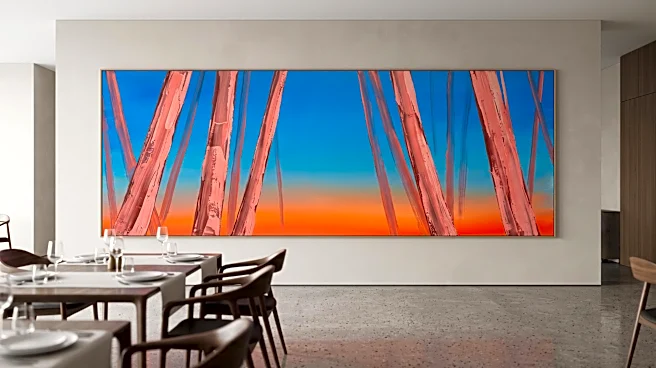
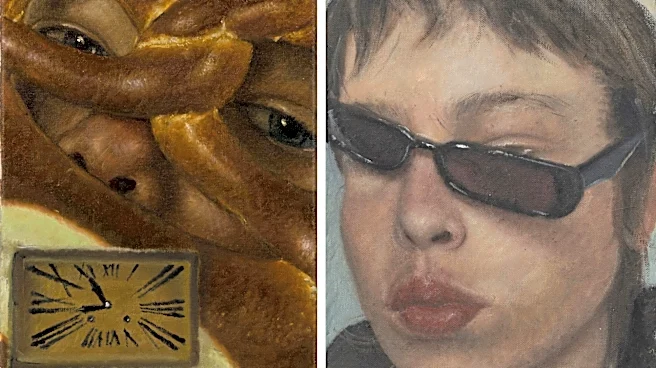
by the Cultural Events Service of the Municipality of Sassuolo, with co-financing from ANCI and the Presidency of the Council of Ministers. It is part of the festivalfilosofia program. The display aims to highlight the distinct yet complementary approaches of two artists from different generations: Schnabel's monumental and experimental painting, known for its use of unconventional materials and large formats, and Moretti's intimate and narrative canvases, which blend fairy-tale and theatrical elements with contemporary imagery. The curatorial project specifically connects a significant work by Schnabel with Moretti's visionary pieces, illustrating how both artists transform personal experiences, memories, and encounters into a universal pictorial language. The exhibition also features volumes documenting Schnabel's interest in ceramics, a theme particularly relevant to Sassuolo, a recognized center for the ceramics industry. This event marks the second installment in a series of programs curated by Nicolas Ballario for the renovated Paggeria Arte spaces, following a solo exhibition dedicated to Damien Hirst, with initiatives planned through autumn 2027.
Why It's Important?
This exhibition is important as it brings together two influential artists, Julian Schnabel, an internationally recognized American artist and filmmaker, and Pietro Moretti, offering a unique cross-generational dialogue in the art world. For Schnabel, known for his significant contributions to contemporary art since the 1980s with his 'plate paintings' and his work as a filmmaker, this exhibition reinforces his continued relevance and artistic exploration, particularly his interest in ceramics, which connects his work to the local industrial heritage of Sassuolo. For Moretti, sharing a platform with an artist of Schnabel's stature provides significant exposure and validation for his distinct narrative style. The comparative nature of the exhibition allows for a deeper understanding of evolving artistic practices and the enduring power of painting to convey universal themes through diverse methodologies. It also highlights the role of cultural institutions like Paggeria Arte in fostering artistic discourse and engaging with both established and emerging talents, contributing to the broader cultural landscape and potentially influencing future artistic trends and collaborations.
What's Next?
The exhibition at Paggeria Arte is part of a broader program curated by Nicolas Ballario, with further initiatives planned until autumn 2027. This suggests a continued focus on showcasing diverse artistic talents and fostering cultural dialogue within the renovated spaces. Visitors interested in attending the current exhibition are advised to check the updated opening hours on the Municipality's website or the exhibition venue's site, as admission is free. The ongoing series of exhibitions indicates a sustained effort to establish Paggeria Arte as a significant cultural hub, potentially attracting more international artists and collaborations in the future. The focus on ceramics, a key industry in Sassuolo, might also lead to further art projects that integrate local heritage with contemporary artistic expression, potentially drawing more attention to the region's cultural and industrial identity.
Beyond the Headlines
The exhibition's juxtaposition of Julian Schnabel's monumental and experimental approach with Pietro Moretti's intimate and narrative style delves into the fundamental question of how personal experience translates into universal artistic language. Schnabel's use of unconventional materials, such as broken ceramic plates, challenges traditional notions of painting and sculpture, pushing the boundaries of artistic expression. This experimental spirit, contrasted with Moretti's more narrative and perhaps introspective canvases, highlights the diverse pathways artists take to explore and communicate their inner worlds. The inclusion of Schnabel's interest in ceramics also subtly connects the high art world with industrial craftsmanship, suggesting a deeper dialogue between artistic innovation and material culture. This intersection can provoke discussions about the value of traditional crafts in contemporary art and the potential for cross-disciplinary inspiration. The exhibition, therefore, is not just a display of art but a commentary on artistic evolution, the interplay of personal and universal narratives, and the enduring relevance of painting in a constantly shifting cultural landscape.