




What's Happening?
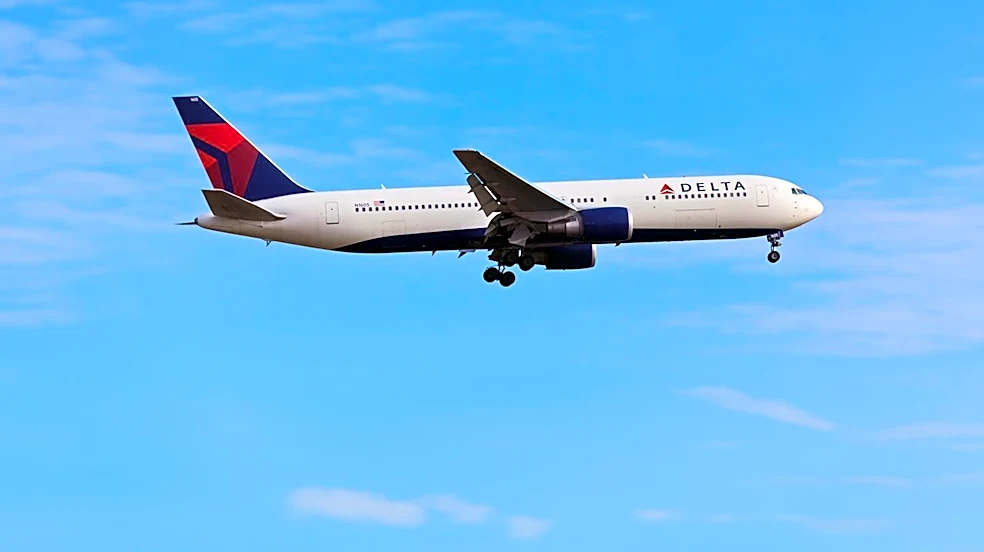
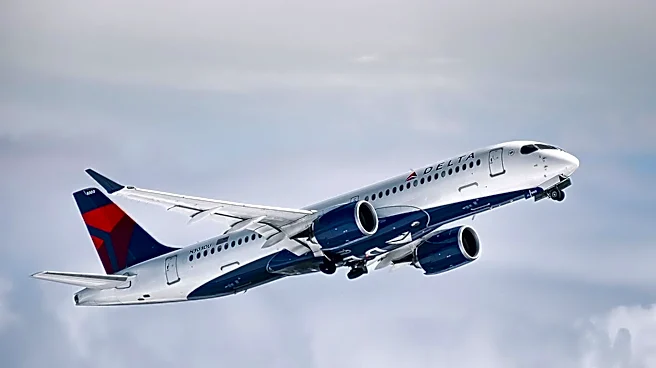
Delta Air Lines CEO Ed Bastian has publicly stated that the airline will maintain a minimum of two pilots in the cockpit for all flights under his leadership. This declaration comes as the airline industry explores new operational methods, including the integration
of artificial intelligence. Bastian emphasized that Delta intends to utilize technology to enhance the roles of pilots, making their jobs easier and safer, rather than to replace them. This position aligns with the stance of the Air Line Pilots Association (ALPA), which advocates for at least two experienced, well-trained, and well-rested pilots in commercial aviation cockpits. The CEO's statement serves as a clear signal to travelers that human pilots will remain central to Delta's flight operations, even as AI technology advances.
Why It's Important?
This commitment from Delta's CEO is significant for several reasons. Firstly, it directly addresses growing public concerns about flight safety, particularly in an era where technological advancements like AI are increasingly discussed in critical operational contexts. By firmly stating that two pilots will always be present, Delta aims to reassure passengers and maintain trust in its safety protocols. Secondly, it highlights a broader industry debate regarding the role of automation and AI in aviation. While some in the industry might explore single-pilot operations for efficiency or cost-saving, Delta's decision prioritizes human oversight, potentially setting a standard or influencing other airlines' approaches. This could impact pilot employment trends and training requirements across the U.S. airline sector, reinforcing the value of human expertise in complex flight scenarios. The stance also underscores the influence of pilot unions like ALPA in shaping operational policies that affect their members' job security and working conditions.
What's Next?
Delta's firm stance on maintaining two pilots in the cockpit suggests a continued focus on human-centric flight operations, even as the airline integrates more AI and advanced technology. Future developments will likely involve how Delta implements AI to support pilots, such as for enhanced navigation, predictive maintenance, or improved communication systems, without reducing the number of human operators. Other airlines may face pressure to clarify their own policies regarding cockpit staffing, especially if passenger preference shifts towards carriers that explicitly commit to multi-pilot operations. This could lead to industry-wide discussions and potentially new regulatory considerations regarding the balance between technological advancement and human involvement in flight safety. The Air Line Pilots Association will likely continue to monitor and advocate for policies that ensure robust pilot staffing across the industry.
Beyond the Headlines
The decision by Delta to commit to two pilots in the cockpit touches upon deeper societal and ethical considerations surrounding automation and job displacement. In an age where AI is rapidly transforming various industries, the aviation sector's approach to human-machine collaboration is a critical case study. Delta's policy suggests a recognition that certain high-stakes environments, like commercial flight, may require a level of human judgment, adaptability, and redundancy that AI alone cannot yet provide. This could influence public perception of AI's capabilities and limitations in other critical fields. Furthermore, it highlights the ongoing tension between technological efficiency and human employment, demonstrating how a major corporation is navigating this balance. The emphasis on using AI to 'make pilots' jobs easier and safer' rather than eliminating them could serve as a model for other industries grappling with similar challenges, promoting a vision of AI as an augmentative tool rather than a replacement for skilled human labor.