




What's Happening?
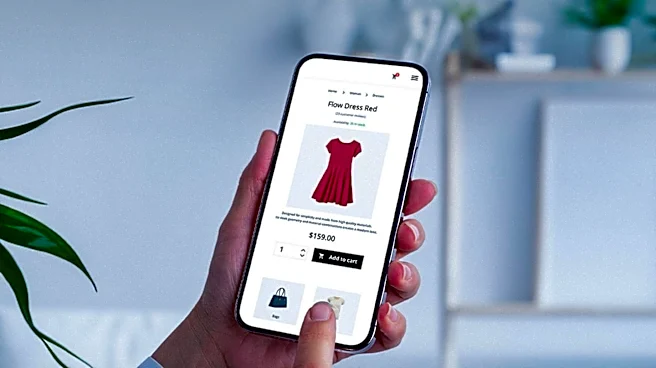
Amazon has introduced 'Amazon Haul' in the United States, a new shopping experience focused on affordable fashion, home goods, lifestyle products, and other consumer items priced at $20 or less, with many items under $10. Launched on November 13, 2024,
Amazon Haul aims to cater to the increasing demand for ultra-low-price shopping. This platform integrates with Amazon's existing shopping ecosystem, allowing customers to use familiar payment methods and benefit from Amazon's A-to-z Guarantee on eligible purchases. While it offers budget-friendly merchandise, delivery estimates for Haul purchases are typically longer than standard Prime-eligible products, often taking one to two weeks, as the fulfillment model frequently relies on overseas inventory and consolidated shipping. U.S. orders of $25 or more generally qualify for free delivery, and eligible items come with a 15-day return window. The initiative positions Amazon to compete directly with other low-cost online retailers like Temu and Shein.
Why It's Important?
The launch of Amazon Haul signifies Amazon's strategic move to capture a larger share of the budget-conscious consumer market in the U.S., directly challenging competitors known for their low-price models. This initiative could impact the e-commerce landscape by intensifying price competition among online retailers. For U.S. consumers, it provides another option for inexpensive goods, potentially increasing access to affordable products across various categories. However, consumers will need to weigh the benefits of lower prices against potentially longer delivery times and varying product quality. For sellers, Amazon Haul presents an invitation-only channel for low-priced inventory, requiring careful assessment of eligibility, fulfillment costs, and potential return-related losses. This could open new revenue streams for businesses specializing in generic or low-cost products, but it may not align with every brand's strategy due to its emphasis on price over established brand recognition.
What's Next?
Amazon Haul is expected to continue expanding its product selection as it solidifies its presence in the U.S. market. Consumers will likely see ongoing comparisons between Amazon Haul, regular Amazon, Temu, and Shein, focusing on price, shipping speed, product quality, and return policies. Amazon may refine its fulfillment and delivery processes for Haul to optimize efficiency and potentially reduce delivery times, although the current model prioritizes cost savings. Sellers interested in participating will need to monitor Amazon's Seller Central for updates on eligibility requirements and program rules, as these can evolve. The success of Amazon Haul could influence Amazon's broader strategy for international markets, potentially leading to similar low-price initiatives in other regions. The platform's growth will also depend on its ability to maintain product quality standards while keeping prices low, a key factor for consumer trust and repeat business.
Beyond the Headlines
The introduction of Amazon Haul reflects a broader shift in consumer purchasing habits, where economic pressures and a desire for value are driving demand for ultra-low-cost goods. This trend raises questions about the sustainability of such business models, particularly concerning supply chain ethics, environmental impact due to increased shipping of low-value goods, and labor practices in overseas manufacturing. The emphasis on generic or unbranded products could also influence brand loyalty and consumer perception of quality versus price. Furthermore, the extended delivery times associated with Amazon Haul highlight the trade-offs consumers are willing to make for cost savings, potentially normalizing longer shipping windows for certain types of purchases. This could lead to a segmentation of the e-commerce market, where consumers consciously choose between speed and price depending on the product and urgency, thereby reshaping expectations for online retail delivery standards.