






What's Happening?
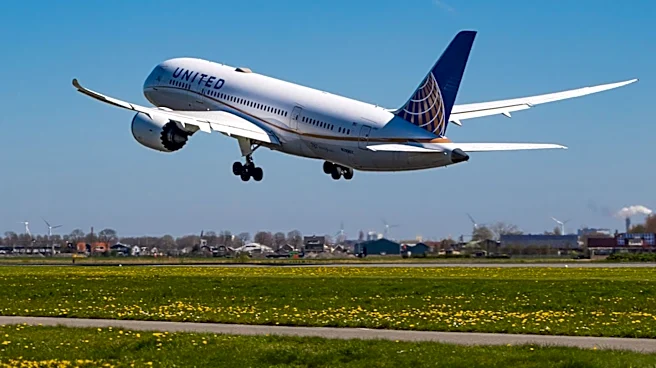
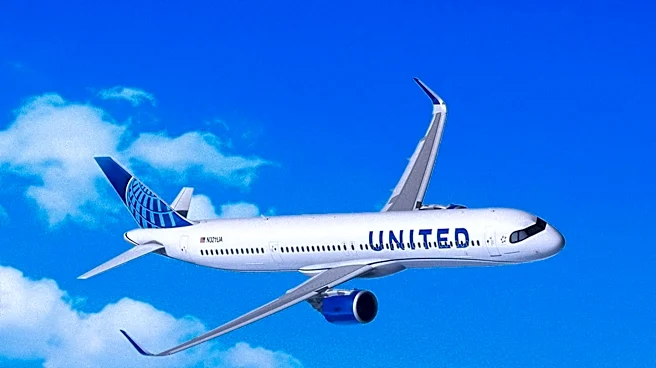
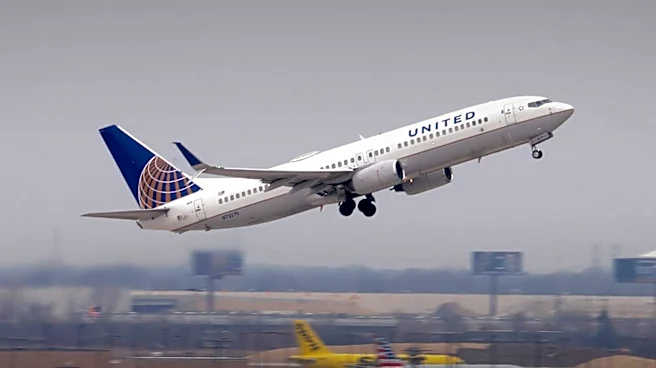
United Airlines has launched new 'Basic' fares for domestic first class, effective October 28, 2026. These new fare tiers, which also include 'Standard' and 'Flexible' options, introduce significant restrictions for the lowest-priced first-class tickets.
Passengers purchasing a Basic first-class ticket, which can cost over $700, will not earn award miles, face a $199 fee for voluntary ticket changes, and must pay extra to select their seat. Additionally, the included checked baggage allowance for Basic fares is reduced from two bags to one. This move follows United's previous success with its basic business class strategy, as noted by Chief Commercial Officer Andrew Nocella, who reported high 'buy-up rates' from these restricted fares.
Why It's Important?
This new fare structure by United Airlines represents a significant shift in premium air travel, potentially impacting business travelers and frequent flyers who rely on first-class amenities and flexibility. By unbundling services previously included in first-class tickets, United aims to increase revenue through additional fees for seat selection, baggage, and changes. While the airline offers a slightly lower base fare, the added costs for essential services could lead to a higher overall price for passengers seeking a traditional first-class experience. This strategy could also influence other major U.S. airlines to adopt similar models, further segmenting premium travel and potentially eroding the perceived value of first-class tickets across the industry. Loyal customers working towards Million Miler status will still accrue Lifetime Flight Miles with these Basic fares, but the lack of award miles and increased restrictions may diminish the appeal for many.
What's Next?
The introduction of Basic first-class fares is likely to be closely monitored by both United Airlines and its competitors. United will assess the 'buy-up rates' for its Standard and Flexible first-class options, determining the effectiveness of this unbundling strategy in generating additional revenue. Other U.S. carriers may observe United's success and consider implementing similar tiered pricing for their premium cabins, potentially leading to a broader industry trend of increased fees for previously included services. Passengers will need to carefully evaluate the benefits and restrictions of each fare tier before booking, as the cheapest first-class option no longer guarantees the full suite of traditional premium services. This could lead to increased scrutiny from consumer advocacy groups regarding transparency in airline pricing.
Beyond the Headlines
This development highlights a broader trend in the airline industry towards greater unbundling of services, even within premium cabins. While airlines argue this provides more choice and allows passengers to pay only for what they need, critics contend it can lead to a less transparent pricing structure and a diminished customer experience, particularly for those accustomed to comprehensive premium offerings. The ethical implications revolve around whether airlines are adequately communicating these new restrictions and if the perceived value of a 'first-class' ticket is being diluted. This strategy could also exacerbate the divide between different classes of travelers, even within the same cabin, as those unwilling or unable to pay extra for basic amenities might feel their premium experience is compromised. It reflects a continuous effort by airlines to maximize revenue in a competitive market by segmenting and monetizing every aspect of the travel experience.