









What's Happening?
A recent analysis by real estate site Zumper has identified the best U.S. cities for buying versus renting homes, based on a price-to-rent ratio. The study examined 83 of the largest U.S. cities to determine where the housing market favors buyers or renters.
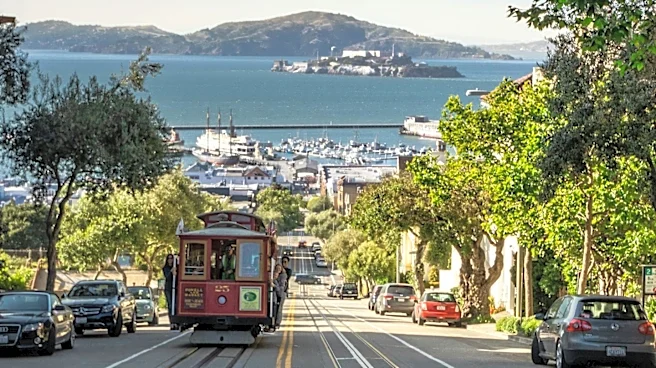
In cities like San Francisco, where the housing market is notoriously unaffordable, renting is often more sensible. However, in cities such as New York, despite high home prices, buying can be more favorable due to even higher rental costs. Zumper market expert Crystal Chen noted that expensive cities do not always equate to being buy-favorable, as rents can sometimes outpace mortgage costs. The analysis also highlighted cities like Boise, Idaho, which saw a surge in home prices due to pandemic-driven migration, making renting a more affordable option there.
Why It's Important?
This analysis is significant as it provides potential homebuyers and renters with crucial insights into the housing market dynamics across major U.S. cities. Understanding where it is more financially viable to buy or rent can help individuals make informed decisions, especially in a fluctuating market influenced by economic trends and migration patterns. The findings are particularly relevant for those considering relocation or investment in real estate, as they highlight the economic pressures and opportunities in different regions. The study underscores the importance of evaluating local market conditions rather than relying solely on national trends, which can vary significantly from city to city.
What's Next?
As the housing market continues to evolve, potential buyers and renters may need to stay informed about ongoing changes in market conditions. Economic factors such as interest rates, inflation, and employment trends will likely influence future housing affordability. Additionally, cities experiencing significant migration or development may see shifts in their buy-versus-rent dynamics. Stakeholders, including real estate professionals and policymakers, may need to consider these trends when planning for housing development and urban planning to address affordability challenges.