






What's Happening?
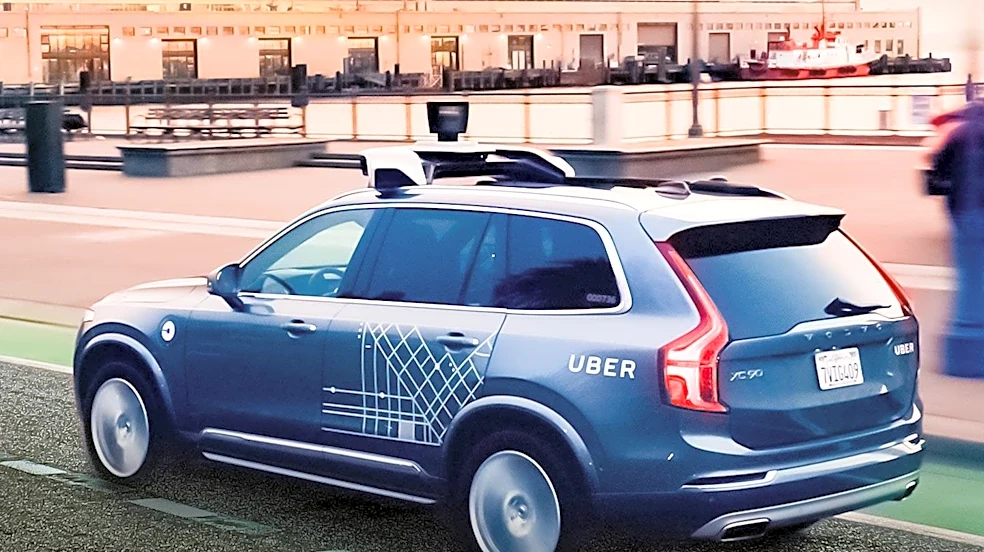
Uber is offering substantial bonuses and referral payments to its drivers as it prepares for increased demand during the upcoming holiday season. According to Business Insider, some drivers are receiving offers of hundreds of dollars for completing a specific
number of trips within a set timeframe. For instance, one offer provided $525 for 45 trips, while others translated to an additional $10 to $12 per ride. These incentives are designed to encourage drivers to complete more trips. Additionally, Uber is providing referral payments, some as high as $1,225, to drivers who recruit new drivers or reactivate inactive ones. This strategy aims to expand Uber's driver fleet, a tactic the company has employed previously, such as in 2021 when it faced a driver shortage as demand rebounded post-pandemic. At that time, Uber invested $250 million in a 'driver stimulus' program to attract and retain drivers, which successfully increased active drivers by 65% from January to November 2021.
Why It's Important?
These incentives are crucial for Uber as they directly address potential supply-demand imbalances during peak travel and holiday seasons. By boosting driver availability, Uber can maintain service quality, reduce wait times for passengers, and ensure timely deliveries for its other services like Uber Eats. For drivers, these bonuses represent a significant opportunity to increase their earnings, potentially making gig work more attractive and competitive compared to other employment options. This move also highlights the dynamic nature of the gig economy, where companies frequently adjust incentives to manage their workforce and meet operational demands. The increased driver supply could also benefit consumers through more reliable service and potentially more competitive pricing, although the primary goal is to ensure service availability during high-demand periods. The strategy reflects Uber's ongoing effort to balance driver satisfaction with operational efficiency and market demand.
What's Next?
As the holiday season approaches, it is expected that Uber will continue to monitor driver supply and demand, potentially adjusting incentive programs based on real-time needs. The success of these current bonuses will likely influence future strategies for managing driver fleets during peak periods. Other rideshare and delivery platforms may also observe Uber's approach and potentially implement similar incentive structures to compete for drivers. For drivers, the immediate future holds opportunities for increased earnings, but the long-term sustainability of such high incentives remains to be seen, as Uber has historically scaled back extra pay once driver supply stabilizes. The company's ability to maintain a robust driver base through these fluctuating incentive models will be key to its operational success in the coming months.
Beyond the Headlines
The reintroduction of significant driver incentives by Uber points to a broader challenge within the gig economy: the constant need to balance worker supply with fluctuating consumer demand. This dynamic often leads to cyclical patterns of high incentives followed by periods of reduced pay, creating an unpredictable income stream for drivers. This situation raises questions about the long-term stability and attractiveness of gig work, as drivers may experience periods of high earnings followed by leaner times. Furthermore, the reliance on such incentives highlights the ongoing debate about the classification of gig workers and the benefits they receive. While bonuses can temporarily boost earnings, they do not address underlying issues such as benefits, job security, or consistent pay, which are central to discussions about the future of work in the gig economy.