





What's Happening?
Wearable Devices Ltd. (Nasdaq: WLDS, WLDSW), a technology growth company specializing in AI-powered touchless sensing wearable devices, has announced a private placement agreement with a single institutional investor. The agreement involves the purchase
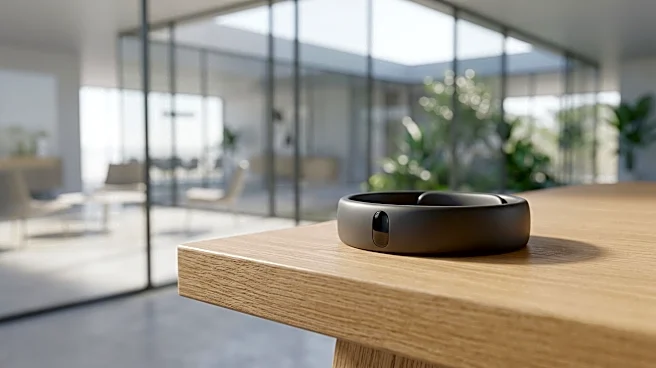
and sale of 1,000,000 ordinary shares (or ordinary share equivalents) and warrants to purchase up to 1,000,000 ordinary shares. The combined purchase price is $3.285 per share and accompanying warrant, priced at-the-market under Nasdaq rules and above the last closing price. This transaction is expected to generate approximately $3.3 million in gross proceeds for the company, before deducting placement agent fees and other offering expenses. Wearable Devices Ltd. is known for pioneering human-computer interaction through its AI-powered neural input touchless technology, leveraging proprietary sensors, software, and advanced AI algorithms. Their consumer products, the Mudra Band and Mudra Link, aim to define the neural input category for wrist-worn devices and brain-computer interfaces, enabling touch-free, intuitive control of digital devices using gestures across multiple operating systems. The company also provides advanced input solutions for enterprise partners in immersive and interactive environments, including augmented reality, virtual reality, and extended reality (XR).
Why It's Important?
This private placement is significant for Wearable Devices Ltd. as it provides crucial capital to further develop and expand its AI-powered neural input technology. The funding will support the company's efforts to innovate in the rapidly growing wearable technology market, particularly in areas like gaming, productivity, and XR. The wearable gaming market alone is valued at over $8 billion and is projected to exceed $20 billion by 2030, indicating a substantial growth opportunity for companies like Wearable Devices Ltd. By securing this investment, the company can accelerate its research and development, enhance its product offerings, and strengthen its position in a competitive landscape that includes major players like Meta and Sony. The advancement of neural input technology has the potential to revolutionize human-computer interaction, making digital device control more intuitive and seamless. This could lead to broader adoption of wearables in various sectors, from entertainment and professional applications to health monitoring, ultimately impacting how individuals interact with technology in their daily lives.
What's Next?
With the successful completion of this private placement, Wearable Devices Ltd. is expected to allocate the newly acquired capital towards accelerating its technological advancements and market expansion strategies. The company's focus will likely remain on enhancing its AI-powered neural input touchless technology, further developing its Mudra Band and Mudra Link products, and exploring new applications within the gaming, productivity, and XR sectors. The newly launched ai6 Labs ecosystem is anticipated to play a key role in integrating research, products, and AI breakthroughs, suggesting continued innovation in this space. Wearable Devices Ltd. will also likely continue to pursue its dual-channel model of direct-to-consumer sales and enterprise licensing and collaborations, aiming to broaden its market reach and establish its neural input technology as a standard in the XR ecosystem. Future developments may include partnerships with other technology companies to integrate their solutions into a wider range of devices and platforms, further solidifying their market presence.
Beyond the Headlines
The investment in Wearable Devices Ltd. highlights a broader trend towards more intuitive and seamless human-computer interaction, moving beyond traditional input methods. The development of AI-powered neural input technology, which allows for touch-free control through gestures, represents a significant step towards a future where technology integrates more naturally with human intent. This shift has profound implications for accessibility, enabling individuals with physical limitations to interact with digital devices more easily. Furthermore, the integration of such technology into XR environments could create truly immersive experiences, blurring the lines between the physical and digital worlds. However, as these technologies become more sophisticated and integrated into daily life, ethical considerations surrounding data privacy, security, and the potential for cognitive overload will become increasingly important. The long-term societal impact of such advanced human-computer interfaces, including changes in human behavior and cognitive processes, will be a critical area of observation and discussion.