





What's Happening?
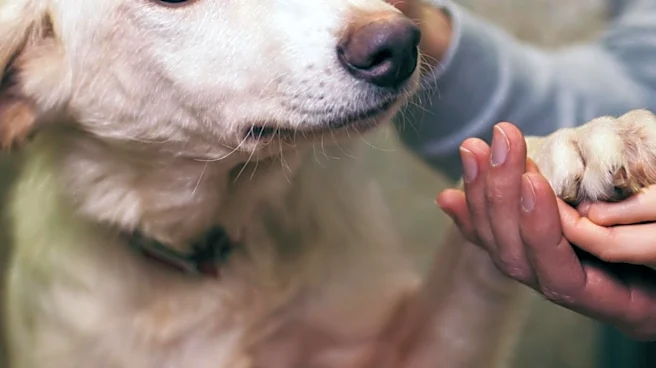
A recent study involving hundreds of dogs across four nations has found that human lifestyles play a significant role in shaping the gut microbiome of their canine companions. The research, co-authored by Kimberly Ange-van Heugten of NC State University
and published in the journal mSystems, analyzed dogs living in diverse ecological settings, including forager, agrarian, pastoralist, urban, and industrialized lifestyles. The findings indicate that the microbial communities in household pets differ substantially from those in dogs living in other environments. This suggests that there isn't a single 'normal' or 'healthy' microbiome profile for all dogs, and that the way humans live, including their dietary habits and cultural practices, directly influences their dogs' gut health. The study highlights that a balanced canine microbiome is crucial for immune function, nutrient digestion, and even behavioral aspects like stress and anxiety, while an imbalanced one can lead to skin issues, food sensitivities, and chronic conditions.
Why It's Important?
This study has significant implications for canine health and veterinary science in the U.S. and globally. It challenges the notion of a universal 'healthy' canine microbiome, suggesting that reference microbiomes used for health assessments may need to be re-evaluated based on a dog's living environment and human interaction. For pet owners, it underscores the profound impact of their lifestyle choices on their dogs' well-being, potentially influencing dietary requirements and responses to medical treatments. The research also implies that factors negatively affecting human microbiomes, such as contaminated food or poor sleep, could similarly impact dogs. This could lead to more personalized approaches to canine care, including tailored diets and interventions based on a dog's specific lifestyle and microbial profile, ultimately improving their health and longevity.
What's Next?
Further research is needed to determine how these observed differences in canine microbiomes influence dietary requirements or responses to medical treatments. The study's authors suggest expanding microbiome research beyond industrialized settings to better understand the diversity retained, altered, or lost during recent lifestyle transitions. Future studies will likely aim to gather data from an even wider range of countries and lifestyles to create a more comprehensive understanding of canine gut microbiomes. This could lead to the development of more accurate diagnostic tools and targeted therapeutic strategies for dogs, moving towards a more individualized approach to veterinary medicine. The findings also encourage a deeper consideration of the shared environments between humans and their pets, potentially fostering a more integrated approach to health for both species.
Beyond the Headlines
The study reveals a deeper ecological connection between humans and their companion animals than previously understood. It highlights how human societal structures and cultural practices, from food sources to living conditions, exert a powerful influence on the biology of other species within their shared environment. This raises broader questions about the impact of human civilization on biodiversity and the health of co-existing species. Ethically, it prompts a re-evaluation of our responsibility towards our pets, suggesting that their health is inextricably linked to our own choices and environments. The concept of a 'normal' microbiome being context-dependent could also inform human microbiome research, emphasizing the importance of considering diverse lifestyles and environmental factors when defining health and disease. This interspecies perspective could foster new avenues for comparative biology and ecological studies, revealing universal principles of microbial ecology.