









What's Happening?
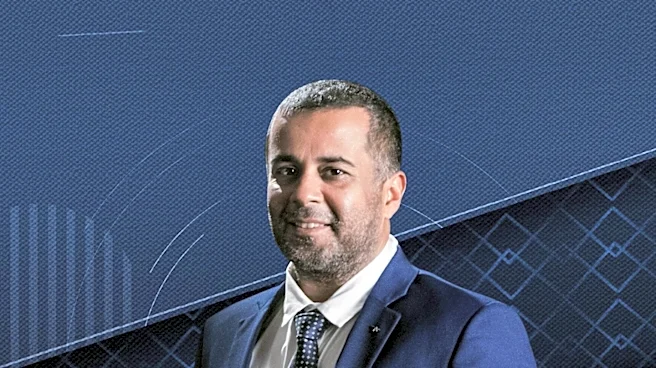
The integration of artificial intelligence (AI) in wealth management is transforming the industry by commoditizing data and portfolio-building capabilities. According to Anthony Villis, director and co-founder of First Wealth, AI is becoming a standard
tool in financial planning, making technical expertise less of a differentiator. This shift is prompting wealth managers to focus on emotional intelligence and client relationships as key differentiators. Villis highlights the 'Human Dividend,' emphasizing the importance of human skills in understanding and managing client emotions. The widespread adoption of AI is also raising concerns about the training of junior advisers, as AI automates many tasks traditionally performed by entry-level professionals. This could impact the development of experienced advisers in the future.
Why It's Important?
The increasing use of AI in wealth management has significant implications for the industry. While AI can enhance efficiency and accessibility, it also poses challenges to traditional service models. The commoditization of portfolio management through AI means that wealth managers must find new ways to differentiate their services. Emotional intelligence and personalized client interactions are becoming crucial for maintaining a competitive edge. Additionally, the automation of entry-level tasks could disrupt the traditional career progression for financial advisers, potentially leading to a shortage of experienced professionals. This shift may also create a bifurcated market, with some clients seeking AI-free services as a premium offering, highlighting the need for firms to balance AI integration with human expertise.
What's Next?
As AI continues to permeate wealth management, firms will need to adapt their service models to emphasize human interaction and emotional intelligence. This may involve developing new training programs to ensure that junior advisers gain the necessary experience despite the automation of routine tasks. Wealth management firms may also need to establish clear boundaries for AI use, offering both AI-augmented and AI-free services to cater to different client preferences. The industry will likely see increased demand for personalized, human-centric financial advice, requiring firms to innovate and redefine their value propositions in an AI-driven landscape.
Beyond the Headlines
The integration of AI in wealth management raises ethical and regulatory considerations. Firms must ensure that AI tools are used responsibly, with adequate oversight to prevent errors and maintain service quality. The case of Sullivan & Cromwell, where AI-generated false citations went unnoticed, underscores the importance of human oversight in AI applications. Additionally, the potential disappearance of entry-level roles due to AI automation could have long-term implications for the talent pipeline in the industry. Wealth management firms must address these challenges to ensure sustainable growth and maintain trust with clients.