




What's Happening?
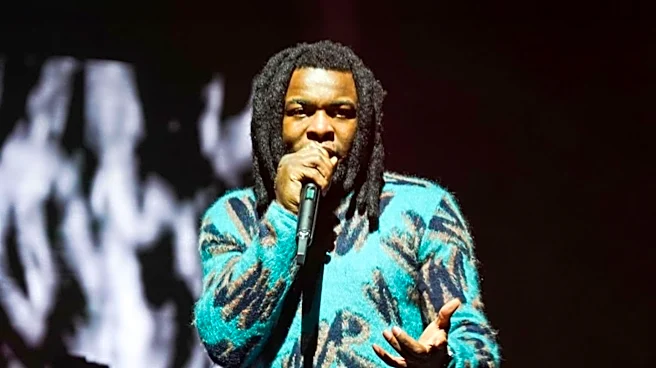
A Cook County judge has ruled in favor of Chance the Rapper, whose legal name is Chancelor Bennett, in a dispute with his former manager, Pat Corcoran. The ruling mandates Corcoran to forfeit merchandising-related commissions and management fees, following
a previous trial victory for the rapper concerning contract and interference claims. Judge James E. Hanlon Jr. determined that Corcoran breached his fiduciary duty by taking secret profits through his merchandise company, which received commissions from Bennett's own vendors on Bennett's orders. While the exact amount is yet to be finalized, representatives for Chance the Rapper estimate Corcoran could forfeit up to $1.5 million in management fees, in addition to commissions from merchandise vendors. The judge also ordered Corcoran to transfer ownership of the domain 'chancraps.com' to Bennett, a domain Corcoran registered in 2013 and maintained control over during five years of litigation. However, the court rejected the rapper's requests for punitive damages and the forfeiture of all of Corcoran's earnings, noting that Corcoran's disloyal conduct was primarily concentrated in the merchandise business.
Why It's Important?
This ruling underscores the critical importance of fiduciary duty in artist-manager relationships within the entertainment industry. It highlights the legal ramifications for managers who engage in self-dealing or fail to act in the best financial interest of their clients. For artists, this case serves as a significant precedent, reinforcing their rights to transparency and fair dealings from their management. The potential forfeiture of up to $1.5 million in management fees and commissions demonstrates the substantial financial consequences for breaches of trust. This outcome could encourage more rigorous scrutiny of management contracts and financial arrangements across the industry, potentially leading to greater protections for artists. It also emphasizes the value of intellectual property, such as domain names, and the necessity for clear ownership in contractual agreements. The decision to not award punitive damages, however, suggests a judicial balance between penalizing disloyal conduct and avoiding excessive financial penalties that could be seen as a 'windfall' for the artist.
What's Next?
Following this ruling, the exact amount of merchandising-related commissions and management fees that Pat Corcoran must forfeit will need to be determined. Chance the Rapper, Chancelor Bennett, has expressed his readiness to move forward and his intention to share his side of the story, indicating potential future public statements or a more detailed account of the events. The transfer of the 'chancraps.com' domain to Bennett is also an immediate next step. This legal victory could influence future negotiations and contractual agreements between artists and their managers, potentially leading to more stringent clauses regarding fiduciary responsibilities and financial transparency. Other artists facing similar issues might be emboldened to pursue legal action, citing this case as a precedent. The entertainment industry as a whole may see a shift towards more explicit and protective contractual language to prevent similar disputes.
Beyond the Headlines
This case delves into the complex ethical and legal landscape of artist management, particularly concerning the blurred lines that can emerge when managers have financial interests in ventures related to their clients. The judge's distinction between 'loyal work' and 'disloyal work' in determining the forfeiture amount highlights the nuanced nature of these relationships and the difficulty in disentangling legitimate earnings from those obtained through a breach of duty. The dispute over the 'chancraps.com' domain also brings to light the often-overlooked aspect of digital assets and intellectual property in the entertainment world, where control over online presence can be as crucial as traditional revenue streams. This ruling could prompt a broader discussion within the music industry about best practices for artist representation, the need for independent financial oversight, and the ethical obligations of those in positions of trust. It underscores the ongoing tension between the creative and business aspects of an artist's career and the legal frameworks designed to protect the artist's interests.