








What's Happening?
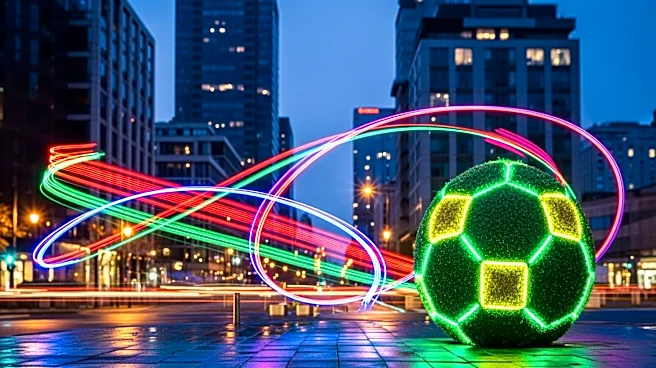
The 2026 FIFA World Cup, hosted across 16 cities in North America, including several in the United States, is providing international fans with a unique glimpse into everyday American life. Tourists from around the world, such as Japanese soccer fan Rinta
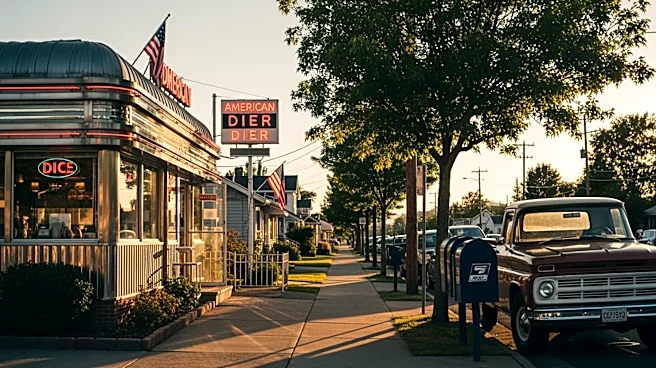
Goto, are sharing their experiences on social media, highlighting aspects of American culture that are often taken for granted by locals. These include the vast array of food options, large portion sizes, and cultural icons like yellow school buses and the Dallas Cowboys cheerleaders. The tournament is not only showcasing the sports but also inadvertently promoting American culture and hospitality, as fans express their surprise and delight at the country's offerings.
Why It's Important?
The influx of international visitors for the World Cup is significant for the United States, as it provides an opportunity to enhance its soft power on the global stage. At a time when international relations can be tense, the positive experiences of tourists can help counteract negative perceptions and foster goodwill. The event allows the U.S. to showcase its cultural diversity and hospitality, potentially influencing global opinions and strengthening diplomatic ties. Additionally, the economic impact of tourism during the World Cup is substantial, benefiting local businesses and communities across the host cities.
What's Next?
As the World Cup continues, more international fans will experience and share their impressions of the United States. This could lead to increased tourism and interest in American culture beyond the tournament. The positive experiences of visitors may also encourage future international events to be hosted in the U.S., further boosting its global image. However, challenges such as visa issues and the high cost of attending the tournament remain, which could affect the overall perception and accessibility of such events in the future.
Beyond the Headlines
The World Cup's impact extends beyond sports, highlighting the cultural exchange that occurs when people from different backgrounds come together. This event underscores the importance of people-to-people connections in diplomacy, as personal interactions can transcend political tensions. The experiences of fans also reveal the potential for sports to act as a unifying force, bringing diverse groups together and fostering mutual understanding. As the tournament progresses, these cultural exchanges may lead to long-term shifts in how the U.S. is perceived globally.