


What's Happening?
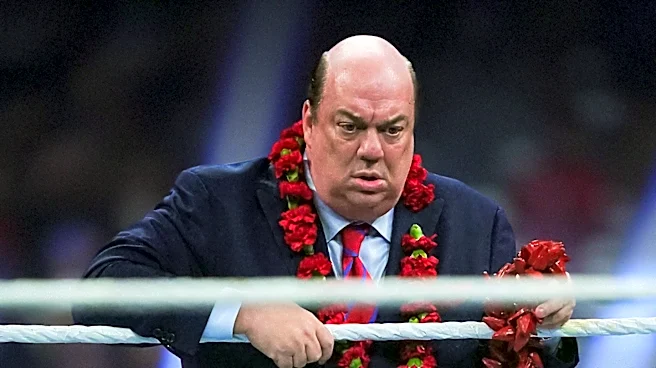
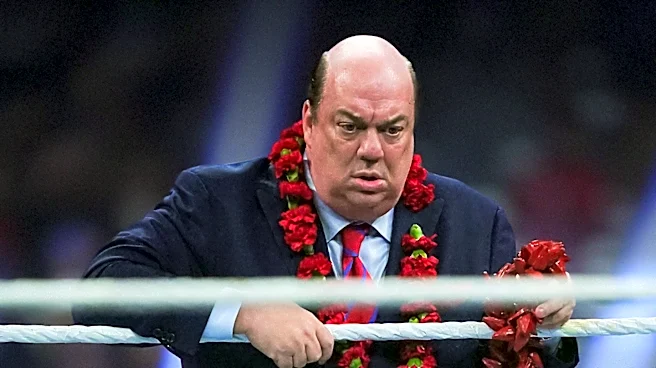
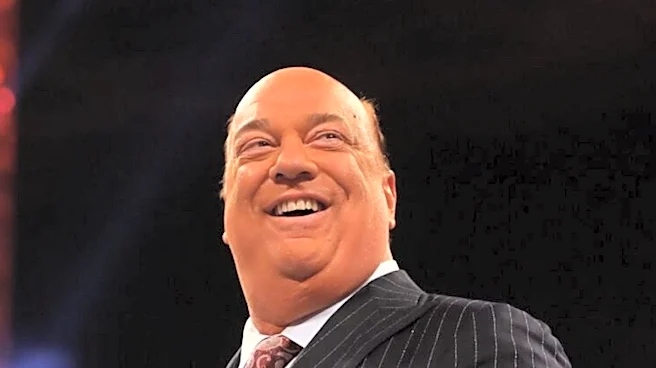
Paul Heyman, a prominent figure in professional wrestling, recently shared details about how he resolved past issues with Ric Flair upon his return to WCW in May 1990. Heyman, who had previously been fired from WCW due to creative differences with Flair,
found himself back in the company. As is customary in the wrestling business, Heyman was welcomed back if he could contribute to the company's success. Flair, despite their past conflicts, extended an invitation for drinks. Heyman, not typically a drinker, felt obligated to keep up with Flair, who was renowned for his ability to consume large quantities of alcohol. He described the challenging night on "In Depth with Graham Bensinger," noting that he survived the drinking session, albeit with a severe hangover the next day, which ultimately helped mend their strained relationship.
Why It's Important?
This account provides valuable insight into the professional and personal dynamics within WCW during a pivotal period in wrestling history. It highlights the unique culture of the industry, where personal relationships and social rituals often played a crucial role in resolving professional disputes. For wrestling historians and fans, Heyman's story offers a behind-the-scenes look at how two influential figures navigated their differences to coexist and work together. It underscores the pragmatic nature of the business, where talent capable of generating revenue is often welcomed back, regardless of past animosities. The anecdote also reinforces the legendary status of Ric Flair, not just as a performer but also as a personality whose social interactions could significantly impact professional relationships.
What's Next?
While this event occurred decades ago, its significance lies in understanding the foundation of the long-standing professional and personal respect between Heyman and Flair. The story contributes to the broader narrative of their careers and their enduring impact on professional wrestling. It suggests that even deep-seated professional disagreements can be overcome through personal engagement and a willingness to bridge divides. This historical context enriches any future interactions or commentary from either Heyman or Flair regarding their shared past, providing a deeper understanding of their complex relationship within the wrestling world.
Beyond the Headlines
The narrative of Heyman and Flair's reconciliation through a shared drinking experience delves into the informal mechanisms of conflict resolution prevalent in certain professional environments. It illustrates how personal sacrifices, such as Heyman's decision to drink heavily despite his usual abstinence, can be made to foster professional harmony. This incident also subtly critiques the expectations and social pressures within the wrestling industry of that era, where such rituals were seemingly necessary to 'bury the hatchet.' It offers a glimpse into the human side of larger-than-life characters, revealing their vulnerabilities and their capacity for reconciliation, ultimately shaping the collaborative landscape of professional wrestling for years to come.