





What's Happening?
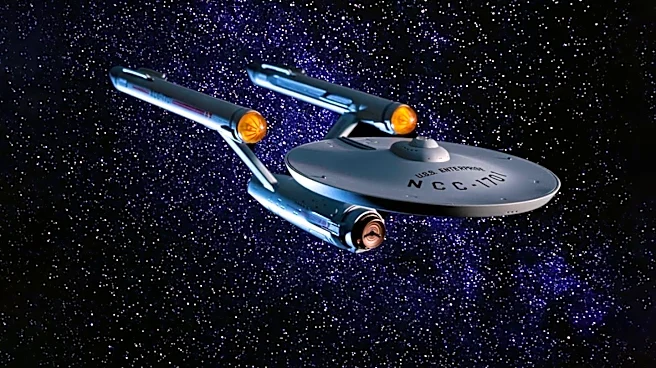
Russell T Davies, alongside Steven Moffat, revealed their extensive efforts to orchestrate a television crossover between the popular science fiction series Doctor Who and Star Trek: Strange New Worlds. Davies disclosed this information on the Pilot TV
Podcast, noting that the plan progressed to the point where both he and Moffat had booked flights to Los Angeles to join the writers' room. The intention was to develop a multi-episode crossover event. Despite strong interest from both creative teams, including Akiva Goldsman, co-creator of Star Trek: Strange New Worlds, the logistical complexities proved insurmountable. The primary hurdle was securing agreement between the respective streaming platforms, Disney (for Doctor Who) and Paramount (for Star Trek), and aligning the transmission schedules of both series. Although the television crossover did not materialize, both franchises have included subtle nods to each other, such as the TARDIS appearing in Strange New Worlds and references to a time-traveling Doctor. Additionally, the worlds have converged in mobile games and a comic book series.
Why It's Important?
This attempted crossover highlights the significant commercial and creative potential seen in merging established, globally recognized entertainment franchises. For U.S. audiences, a Doctor Who and Star Trek crossover would have represented a major television event, potentially drawing in new viewers to both series and reigniting interest among long-time fans. The failure to execute the crossover underscores the complex business challenges in the modern media landscape, particularly concerning intellectual property rights and inter-studio cooperation. The involvement of major players like Disney and Paramount illustrates the high stakes and intricate negotiations involved when two entertainment giants consider collaboration. Such a project could have set a precedent for future large-scale crossovers, influencing how studios approach shared universes and fan engagement. The unfulfilled ambition also reflects a missed opportunity to capitalize on the cultural impact and fan enthusiasm that such a unique collaboration would generate, potentially affecting viewership numbers and merchandise sales for both franchises.
What's Next?
Despite the previous attempt falling through, Russell T Davies maintains hope for a future television crossover between Doctor Who and Star Trek. He believes that with new iterations of Doctor Who and the continued goodwill within the Star Trek franchise, such a collaboration could still be possible. While no immediate plans are in motion, the expressed desire from key creative figures suggests that the idea remains on the table for future consideration. Any renewed efforts would still face the same fundamental challenges of securing agreements between Disney and Paramount and coordinating production schedules. However, the precedent of past discussions and the continued fan interest could provide impetus for future negotiations. The success of smaller-scale crossovers in mobile games and comic books might also serve as a proof of concept for the potential audience appetite for a larger television event.
Beyond the Headlines
The discussion around a Doctor Who and Star Trek crossover delves into the broader implications of intellectual property ownership and creative control in the entertainment industry. The difficulty in bringing these two iconic franchises together, despite mutual creative interest, illustrates the power dynamics between major studios and their streaming platforms. It highlights how corporate interests and contractual obligations can sometimes override artistic vision and fan demand. This situation also reflects a growing trend of media consolidation, where fewer, larger entities control vast catalogs of intellectual property, making cross-company collaborations increasingly complex. The desire for such a crossover also speaks to the enduring appeal of shared universes and the audience's hunger for novel narrative experiences that blend beloved characters and worlds. The unfulfilled project serves as a case study in the intricate balance between creative ambition, commercial viability, and corporate strategy in the competitive landscape of global entertainment.