








What's Happening?
The Washington Post is planning to lay off 118 employees as a result of the impending closure of its printing plant in Springfield. The company notified state and local officials on October 7 that the facility's relocation from 7171 Wimsatt Road to a smaller
site in Loudoun County will lead to these job cuts, scheduled to take effect on December 31. Affected positions include press operators, machinists, janitors, mailroom and pressroom superintendents, building engineers, and occupational health nurses. This move follows earlier layoffs this year, which saw over 300 journalists cut from international, local, sports, and culture coverage to focus more on national news, politics, and business. The federal WARN Act mandates businesses with 100 or more workers to report mass layoffs and plant closings at least 60 days in advance. Despite declining print circulation, the Washington Post maintains its commitment to print operations, which will relocate to a 60,000-square-foot facility in Sterling, with approximately half of the Springfield employees expected to transfer.
Why It's Important?
This development highlights the ongoing challenges faced by traditional media outlets in adapting to a rapidly evolving digital landscape. The shift from a large printing plant to a smaller facility, coupled with significant layoffs, underscores the economic pressures driving media companies to streamline operations and reduce costs. While the Washington Post asserts its commitment to print, the reduction in physical infrastructure and workforce reflects a broader industry trend towards digital-first strategies. The layoffs impact a diverse range of skilled workers, from technical roles to administrative staff, indicating a comprehensive restructuring rather than isolated departmental changes. This move could serve as a bellwether for other legacy media organizations contemplating similar operational adjustments, potentially accelerating the decline of print journalism jobs and further concentrating resources on digital content and national news coverage.
What's Next?
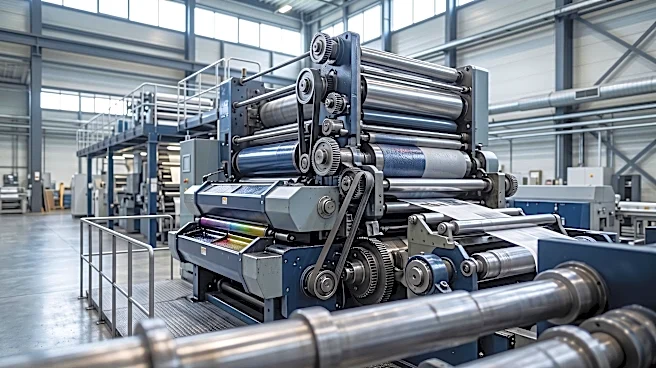
The layoffs are scheduled to take effect on December 31, following the relocation of the Washington Post's print operations to a new facility in Sterling. The company has partnered with imPRESSions Worldwide for the new plant, which will feature a Goss Urbanite Press with advanced printing capabilities. Testing of the new facility is currently underway, with the goal of completing the relocation by January 2027. The transition will involve approximately half of the current Springfield employees moving to the Sterling site. The Washington Post will likely continue to monitor its print circulation and digital readership trends to inform future operational decisions. The impact of these changes on the quality and scope of its print product, as well as its overall financial performance, will be closely watched by industry observers and competitors.
Beyond the Headlines
The closure of the Springfield printing plant and the associated layoffs represent more than just a logistical change; they symbolize a significant cultural and economic shift within the media industry. The move away from large-scale physical production towards more agile, digitally-focused operations reflects changing consumer habits and technological advancements. This transition raises questions about the future of print journalism, the preservation of diverse journalistic roles, and the economic viability of local news coverage. The concentration on national news, politics, and business, at the expense of international, local, sports, and culture coverage, could lead to a narrower scope of public discourse and potentially reduce the diversity of voices and perspectives in mainstream media. The long-term implications for journalistic employment, particularly for specialized roles in print production, are substantial, suggesting a continued need for adaptation and retraining within the workforce.