
What's Happening?
The third quarter of 2026 has shown significant shifts in the fashion industry, with consumer demand heavily influenced by creative direction, product desirability, cultural relevance, and nostalgia. Prada
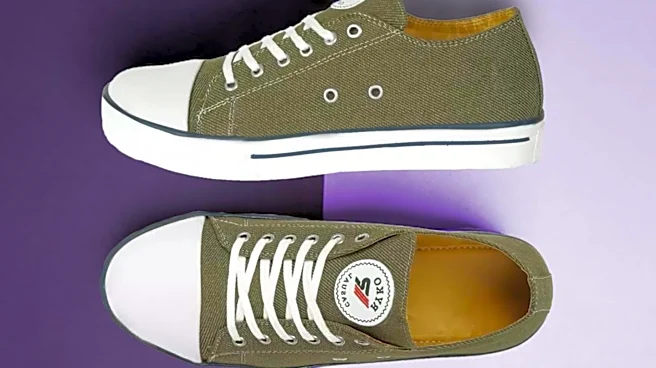
has reclaimed the top position in the Lyst Index, experiencing a 55% increase in demand, with its Wish Silk Duchesse Pouch becoming the quarter's hottest product. Celine and Bottega Veneta also saw substantial demand increases, driven by collaborations and critically acclaimed collections. Beyond traditional luxury, brands like Dries Van Noten and Khaite entered the rankings, indicating a consumer response to distinctive creative identities. Product trends highlight a strong connection between nostalgia and contemporary taste, with Vans Premium Authentic sneakers benefiting from renewed interest in 2010s fashion, and Cartier's Tank Watch seeing an 83% increase in demand, underscoring the appeal of enduring design and heritage.
Why It's Important?
These trends indicate a significant shift in consumer priorities within the U.S. fashion market, where nostalgia and timeless design are becoming key drivers of purchasing decisions. The success of brands like Prada and the resurgence of items like Vans sneakers and Cartier watches demonstrate that consumers are seeking both established luxury and familiar, enduring styles. This impacts how fashion houses and retailers strategize their collections, marketing, and collaborations. The emphasis on creative leadership and distinctive product propositions suggests that brands must offer more than just luxury; they need to cultivate a strong identity and cultural relevance. Furthermore, the economic climate, with consumers being more selective about discretionary spending, means brands must provide compelling reasons for investment, creating opportunities for both accessible premium brands and heritage names to compete effectively.
What's Next?
The fashion industry is likely to continue its embrace of nostalgic themes and timeless designs in upcoming collections. Brands will probably invest further in collaborations that tap into past eras or iconic cultural moments to capture consumer interest. We can expect to see more reissues of classic products and designs, updated for contemporary tastes. The influence of social media and archival references will remain crucial in driving these trends, with brands leveraging digital platforms to showcase heritage and create buzz. As consumers remain price-sensitive, the market may see continued growth in accessible premium brands that offer quality and style without the ultra-luxury price tag, alongside a sustained demand for investment pieces with enduring value. Creative directors will be under pressure to balance innovative vision with commercial appeal and cultural resonance.
Beyond the Headlines
The strong pull of nostalgia in fashion reflects a broader societal yearning for comfort and familiarity in an increasingly complex world. Consumers may be turning to styles from previous decades as a form of escapism or to connect with a sense of stability and heritage. The enduring popularity of classic designs like Cartier's Tank Watch also speaks to a desire for longevity and investment in quality, moving away from purely trend-driven consumption. This shift could have long-term implications for sustainability in the fashion industry, as consumers prioritize durable, timeless pieces over disposable fast fashion. Ethically, it encourages brands to consider their legacy and craftsmanship, potentially leading to a greater focus on ethical production and materials. Culturally, it highlights the cyclical nature of trends and how past aesthetics are continually reinterpreted and given new meaning by contemporary society.