



What's Happening?
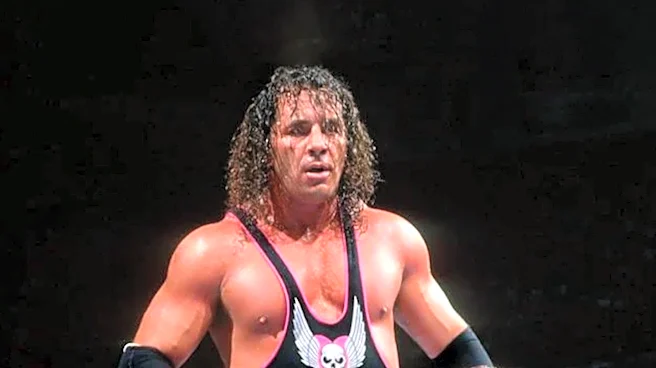
WWE Hall of Famer Bret Hart has voiced his strong disapproval of contemporary professional wrestling, citing a perceived lack of authenticity and storytelling. Hart, widely regarded as one of the greatest in-ring performers, believes that modern wrestling has strayed
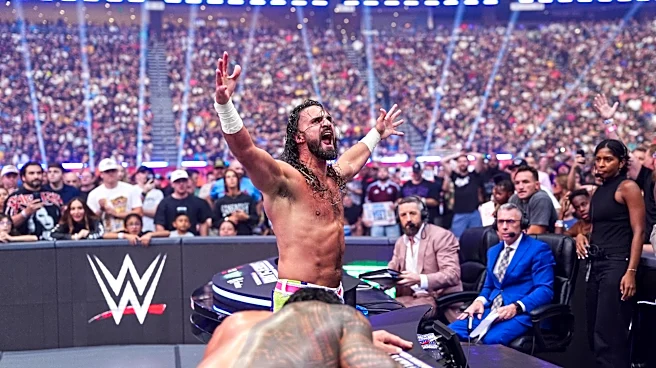
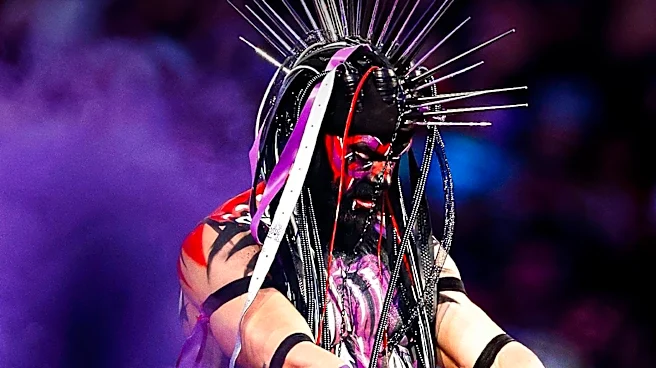
from the values that made it appear real. He emphasized the importance of traditional wrestling maneuvers, holds, and compelling narratives, which he feels are largely absent today. Hart expressed difficulty watching current wrestling, stating that it has become 'hokey' and prioritizes outrageous spectacles like explosions and pyro over genuine in-ring storytelling. He recalled enjoying the more authentic product of the 1960s, featuring wrestlers like Buddy Rogers and Killer Kowalski, as an example of the type of wrestling he prefers.
Why It's Important?
Bret Hart's critique highlights a generational divide in the philosophy of professional wrestling and its presentation. As a legendary figure known for his technical prowess and commitment to realism, his comments resonate with a segment of the fanbase that values traditional wrestling elements. His perspective suggests a potential disconnect between the expectations of veteran performers and the current creative direction of major wrestling promotions. This ongoing debate about authenticity versus entertainment spectacle can influence how wrestling is produced and consumed. It also raises questions about the long-term appeal of a product that, according to Hart, no longer strives to appear real, potentially alienating fans who appreciate the more grounded, storytelling-driven approach of past eras.
What's Next?
While Bret Hart's comments are unlikely to immediately alter the creative direction of major wrestling promotions, they contribute to an ongoing discourse within the wrestling community. Fans and industry insiders often debate the balance between athletic competition, dramatic storytelling, and pure entertainment. Hart's perspective may encourage some performers and promotions to re-evaluate their approach to in-ring psychology and narrative development. However, the broader trend in professional wrestling has leaned towards high-impact, visually spectacular events, which may continue to be the dominant style. The conversation initiated by Hart serves as a reminder of the diverse preferences within the wrestling audience and the constant evolution of the sport.
Beyond the Headlines
Bret Hart's observations touch upon the evolving nature of performance art and entertainment. Professional wrestling, by its nature, walks a fine line between sport and theatrical performance. Hart's emphasis on 'making it appear real' speaks to the suspension of disbelief crucial for engaging an audience. His critique suggests that modern wrestling might be sacrificing this crucial element for more superficial thrills. This shift could have long-term implications for how new generations of fans perceive wrestling – as a pure spectacle rather than a narrative-driven athletic contest. The debate also reflects broader cultural shifts in entertainment, where instant gratification and visual overload sometimes take precedence over nuanced storytelling and character development, potentially impacting the art form's depth and legacy.