






What's Happening?
Restaurants in Santa Eulària are increasingly integrating plant-based choices into their menus, moving beyond dedicated vegan establishments to offer diverse options for all diners. Three notable examples are Ohana Santa Eulalia, Blau Sand by Ohana, and Project
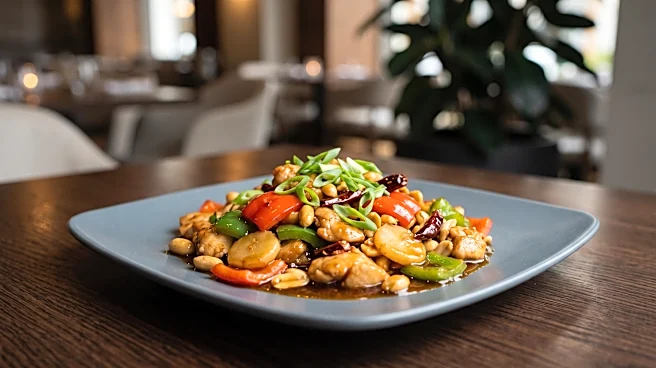
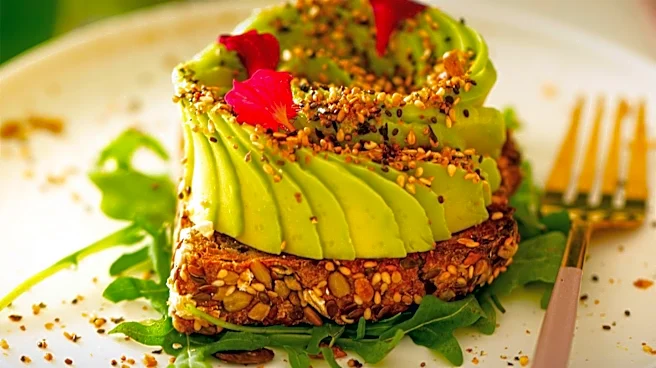
Social. Ohana Santa Eulalia, located near the marina, blends Mediterranean, Japanese, and Hawaiian influences, providing vegetarian and vegan alternatives alongside its broader menu, including plant-based drinks and protein shakes. Blau Sand by Ohana, situated on Santa Eulària beach, offers Mediterranean and Asian-inspired dishes with plant-based salads, poke bowls, and sushi. Project Social, near the marina entrance, adopts a casual street-food approach, featuring vegan burgers, seasonal salads, and plant-based breakfast items. These establishments aim to cater to groups with varied dietary preferences, allowing them to dine together while accommodating individual choices.
Why It's Important?
This trend in Santa Eulària reflects a broader shift in the food service industry towards greater inclusivity for diverse dietary needs. By offering substantial plant-based options within mainstream restaurants, these establishments are making dining out more accessible and enjoyable for vegetarians, vegans, and those seeking healthier or more sustainable food choices. This approach benefits consumers by providing more variety and convenience, especially for mixed groups where not everyone adheres to the same diet. For the restaurants, it expands their customer base and positions them as modern, adaptable dining destinations. The integration of plant-based dishes into traditional menus also signals a growing acceptance and demand for these alternatives, potentially influencing other restaurants to follow suit and further normalize plant-based eating within the culinary landscape.
What's Next?
The success of these integrated plant-based menus in Santa Eulària could encourage more restaurants, both locally and in other tourist destinations, to adopt similar strategies. As consumer demand for plant-based options continues to grow, establishments that offer diverse and high-quality alternatives are likely to gain a competitive edge. This could lead to further innovation in plant-based cuisine, with chefs developing more sophisticated and appealing dishes that can stand alongside traditional meat and seafood offerings. Additionally, the increased availability of plant-based choices may contribute to a broader cultural shift towards more sustainable and health-conscious eating habits, potentially influencing food suppliers and producers to expand their plant-based product lines to meet this rising demand.
Beyond the Headlines
The integration of plant-based options into mainstream restaurant menus has deeper implications beyond mere dietary accommodation. It signifies a cultural evolution in how food is perceived and consumed, moving towards a more flexible and inclusive dining experience. This shift can reduce the social friction often experienced by individuals with dietary restrictions, allowing them to participate fully in shared dining occasions. Furthermore, it highlights a growing awareness of the environmental and ethical considerations associated with food production, as plant-based diets are often linked to lower ecological footprints and animal welfare. This trend could foster a more sustainable food system by gradually shifting consumer preferences and industry practices towards plant-centric eating, ultimately contributing to broader societal goals related to health, sustainability, and ethical consumption.