






What's Happening?
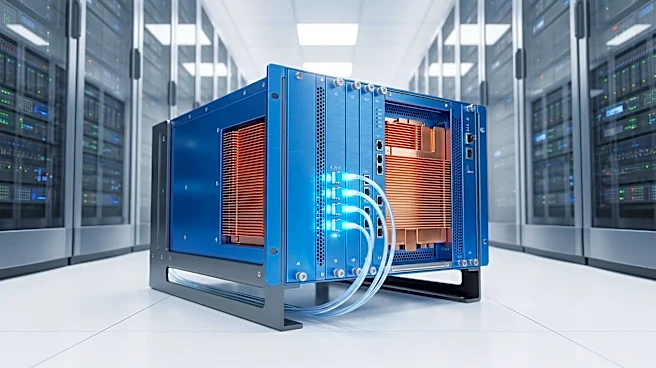
Uber is actively recruiting a Senior Software Engineer for Distributed Storage in Sunnyvale, California, to work on its core stateful distributed database platform, which includes Docstore and TiDB. This role is critical for managing extreme scale, multi-cloud
flexibility, and high-performance transactional data across Uber's operations. The company emphasizes building technology that impacts the real world, supporting 40 million trips daily across over 70 countries. Uber offers a comprehensive benefits package to its employees, including a competitive 401(k) match, wellbeing reimbursement, and monthly Uber Credits. For family support, the company provides extensive fertility coverage, 18 weeks of paid parental leave, and concierge caregiver support. The engineering team focuses on complex problems related to distributed systems, aiming to deliver a zero-toil, multi-cloud distributed database platform that ensures high performance, zonal resilience, and cost efficiency at massive scale. The base salary range for this role in Sunnyvale is USD $202,000 to USD $224,000 per year, with eligibility for bonuses, equity awards, and other compensation.
Why It's Important?
This recruitment drive highlights Uber's ongoing investment in robust technological infrastructure, which is essential for maintaining its global operations and competitive edge in the ride-sharing and delivery markets. By strengthening its distributed database platform, Uber aims to accelerate product feature velocity and ensure the stability and performance of its services, which directly impacts user experience and operational efficiency. The attractive benefits package, including extensive parental leave and wellbeing support, is significant for talent acquisition and retention in the highly competitive tech industry. Such benefits can draw top-tier engineering talent, crucial for innovating and scaling complex systems. Furthermore, Uber's commitment to building a resilient and high-performing database infrastructure underscores the critical role of backend technology in supporting large-scale, real-time services that millions of users depend on daily. This focus on internal infrastructure development also signals a strategic move to enhance reliability and reduce operational costs, which can positively influence the company's long-term financial health.
What's Next?
Uber will continue its efforts to attract and onboard skilled engineers for critical infrastructure roles, such as the Senior Software Engineer for Distributed Storage. The successful candidate will be tasked with architecting, implementing, and rolling out high-impact distributed database features that reduce operational toil and increase developer velocity. This includes building storage efficiency and elasticity capabilities, designing defensive resiliency mechanisms, and automating developer self-service workflows. The company's ongoing investment in its core database platforms, Docstore and TiDB, suggests a continuous evolution of its technological backbone to support future growth and new service offerings. Uber's commitment to employee benefits may also set a benchmark within the tech industry, potentially influencing other companies to enhance their own compensation and benefits packages to remain competitive in the talent market. As these infrastructure improvements are implemented, users can expect more reliable and efficient services, while developers within Uber will benefit from enhanced tools and platforms.
Beyond the Headlines
The emphasis on 'zero-toil' and 'multi-cloud flexibility' in Uber's database platform vision points to a broader industry trend towards automation and hybrid cloud strategies. This approach aims to minimize manual intervention in system management and leverage diverse cloud environments for resilience and cost optimization. The complexity of managing data at Uber's scale, involving thousands of nodes and mission-critical transactional workloads, highlights the advanced challenges in modern distributed systems engineering. The company's focus on 'zonal resilience' and 'sub-linear cost growth' reflects a sophisticated understanding of operational economics and risk management in large-scale tech infrastructure. Furthermore, the comprehensive employee benefits package, particularly the extensive parental leave and fertility coverage, reflects a growing recognition within leading tech companies of the importance of work-life balance and family support as key components of employee well-being and retention. This could contribute to shifting industry standards for employee care, fostering a more inclusive and supportive work environment.