



What's Happening?
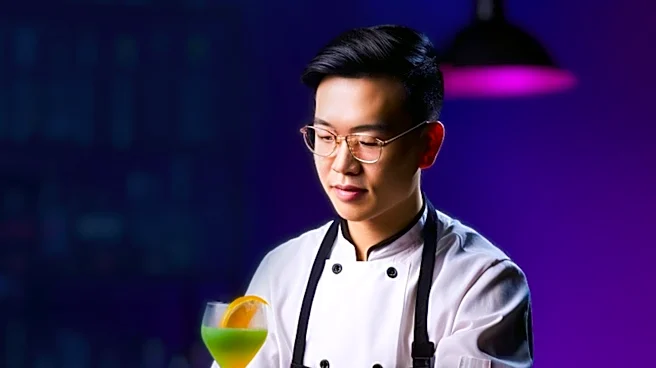
Bartenders in Denver are offering their perspectives on what a customer's drink order, and the manner in which it's placed, can reveal about their personality and the potential trajectory of their night. While many bartenders, such as Ky Belk from El
Five and Stefan Zittel from Root Down, generally avoid profiling customers based solely on their drink choice, they acknowledge that certain orders carry stereotypes or provide clues. For instance, Luke Cicero, a bartender at Harry's, notes that a Long Island Iced Tea often suggests a guest is seeking maximum alcohol content, potentially leading to an unpredictable evening. Conversely, an Old Fashioned, once stereotyped, is now seen as a reliable choice for those who know what they like or are exploring new whiskeys, according to Clarissa “CC” Chaput of Gold Point. The way an order is communicated, rather than just the drink itself, also plays a significant role in a bartender's perception, with rude or overly specific requests often signaling a challenging interaction.
Why It's Important?
This insight into bartender perceptions highlights a subtle but significant aspect of the service industry, particularly in a city like Denver, which boasts a thriving cocktail scene. For consumers, understanding these unspoken cues can influence how they interact with service professionals, potentially leading to better experiences. For businesses, recognizing these dynamics can inform staff training on customer service and managing expectations. The article also touches on the evolving nature of drink stereotypes; what was once considered a telling order, like an Old Fashioned, has shifted in meaning. This reflects broader trends in consumer preferences and the increasing sophistication of the cocktail culture. The emphasis on 'how' an order is placed underscores the importance of basic etiquette and communication in social settings, impacting both the customer's experience and the bartender's workload and morale.
What's Next?
The observations from Denver bartenders suggest a continued evolution in cocktail culture and customer interaction. As the industry progresses, there may be a greater emphasis on personalized recommendations and a more nuanced understanding of customer preferences beyond simple drink orders. Bartenders might increasingly rely on conversational cues to gauge a customer's mood and desires, moving away from rigid stereotypes. This could lead to more engaging and tailored experiences for patrons. For customers, the takeaway is to be mindful of their ordering approach, as a polite and open-minded attitude can significantly enhance their bar experience. The trend of asking bartenders for recommendations or to create something they enjoy is likely to grow, fostering a more collaborative and appreciative dynamic between patrons and mixologists.
Beyond the Headlines
Beyond the immediate implications for bar interactions, this discussion touches on broader sociological themes of perception, judgment, and social signaling. The drink order, in this context, becomes a micro-indicator of personality, social status, or intent, even if often misread. It reflects how individuals attempt to project an image or how they are perceived based on seemingly trivial choices. The article subtly critiques the snobbery associated with overly specific or modified drink orders, highlighting a tension between perceived sophistication and genuine appreciation for craft. Furthermore, the bartenders' preference for customers who ask for recommendations or express genuine interest in their craft speaks to the human desire for connection and respect in transactional relationships. This dynamic extends beyond bars, illustrating how small interactions can reveal deeper aspects of human behavior and social expectations.