








What's Happening?
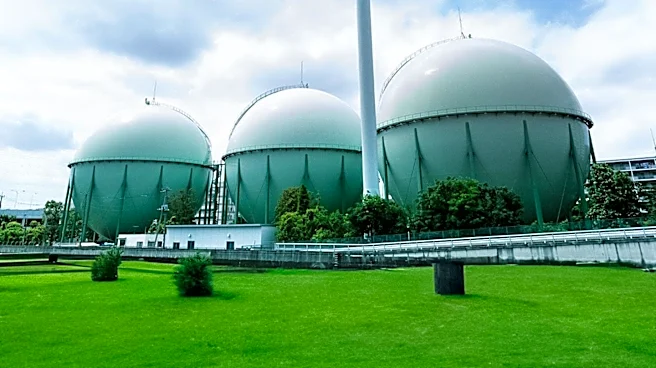
The United States is planning to build or expand 74 methane-fired generating stations to meet the growing electricity demand from data centers driven by artificial intelligence (AI) advancements. According to a report by the Environmental Integrity Project,
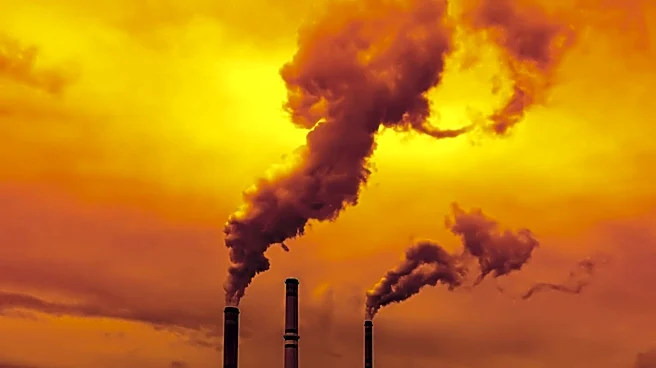
these new power plants are expected to release 662 million tons of greenhouse gases annually, equivalent to the emissions of 140 million conventional cars and trucks. This development comes as tech giants like Meta and Microsoft report significant increases in emissions due to data center expansion. Despite their commitments to sustainability, these companies are facing challenges in balancing their AI infrastructure growth with environmental goals.
Why It's Important?
The construction of these new power plants highlights a significant environmental challenge as the demand for AI technology grows. The emissions from these plants could have a substantial impact on climate change, raising concerns about the sustainability of AI advancements. The tech industry's struggle to reconcile AI growth with climate commitments could lead to increased scrutiny from environmental groups and policymakers. The reliance on methane-fired plants also underscores the ongoing dependency on fossil fuels, which could hinder efforts to transition to cleaner energy sources.
What's Next?
As the U.S. moves forward with these power plant projects, there may be increased pressure on tech companies and policymakers to find solutions that align AI growth with environmental sustainability. This could involve exploring alternative energy sources, implementing carbon capture technologies, or revising emissions targets. The tech industry may also face calls for greater transparency and accountability in their environmental impact reporting. Additionally, the potential rise in natural gas demand could lead to further infrastructure developments, such as pipelines, which may also face environmental and regulatory challenges.