




What's Happening?
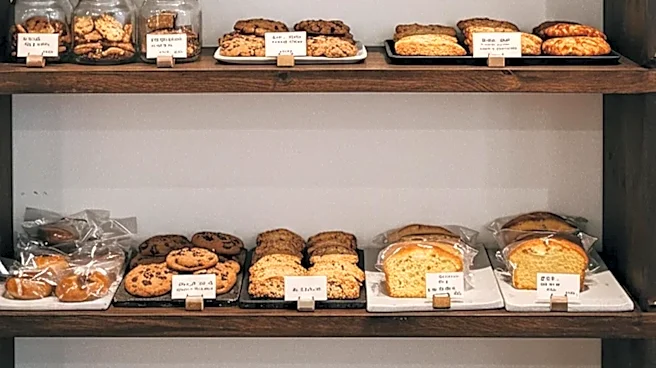
In Austin, Texas, a growing movement of 'Little Free Bakeries' is transforming neighborhood parks and front yards into community gathering spots. These bakeries, inspired by the 'Little Free Libraries' concept, offer free baked goods to residents. Sarah
Mason's Free Bakery North Loop, operating monthly in Bruning Green park, has become a significant community event where neighbors connect over complimentary pastries. Similarly, Lanne Stauffer initiated the first Little Free Bakery in Seattle in 2021, aiming to spread joy during the pandemic. Both initiatives have unexpectedly fostered strong community bonds, with participants often staying to socialize rather than just grabbing a treat. The movement has expanded to various U.S. cities, including Nashville, Salt Lake City, and Fredericksburg, with new bakeries continually emerging.
Why It's Important?
This trend of Little Free Bakeries highlights a grassroots effort to combat social isolation and build stronger community ties in an increasingly digital and often disconnected society. In Austin, for instance, participants note that these events evoke a sense of 'old Austin,' a time when community interaction was more prevalent before rapid urbanization and technological shifts. The bakeries provide a neutral, welcoming space for diverse individuals to meet, share experiences, and engage in face-to-face conversations, fostering a sense of belonging and mutual support. This model demonstrates how simple, localized initiatives can significantly impact social cohesion and neighborhood well-being, offering a tangible way for residents to feel more connected to their immediate surroundings and fellow community members.
What's Next?
The Little Free Bakery movement is expected to continue its expansion across the United States. Lanne Stauffer, the founder of the original Seattle bakery, is actively collecting stories and recipes from other bakers for an upcoming book, 'The Little Free Bakery Book: Recipes for Sharing & Building Community,' which aims to further inspire and guide new bakery initiatives. Bakers like Sarah Mason also hope to see the concept adopted in every neighborhood, indicating a desire for widespread replication. This ongoing growth suggests that more communities will likely experience the benefits of these free bakeries, potentially leading to increased local engagement and stronger neighborhood networks as the idea spreads through word-of-mouth and media attention.
Beyond the Headlines
Beyond the immediate benefit of free treats, these bakeries represent a deeper cultural shift towards valuing local, tangible community interactions in an era dominated by virtual connections. They underscore the power of simple acts of kindness and shared resources in fostering social capital. The success of these initiatives suggests a latent desire within communities for more organic, low-barrier opportunities for connection, contrasting with more structured or commercialized social venues. This movement could inspire similar community-led initiatives focused on sharing other resources or skills, ultimately contributing to more resilient and interconnected local societies that prioritize human interaction and mutual support over individualistic pursuits.