





What's Happening?
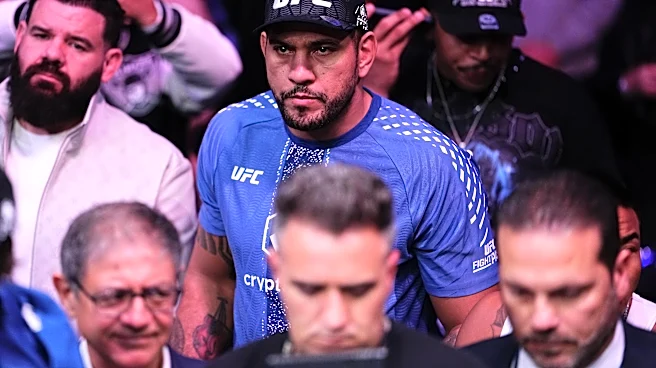
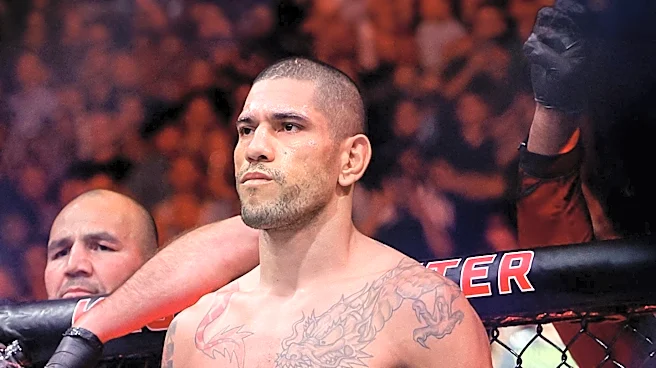
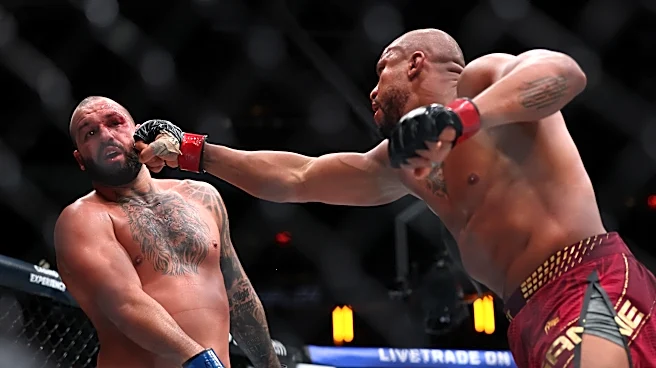
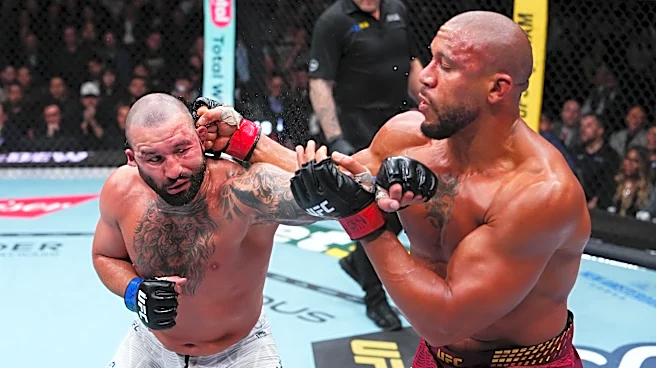
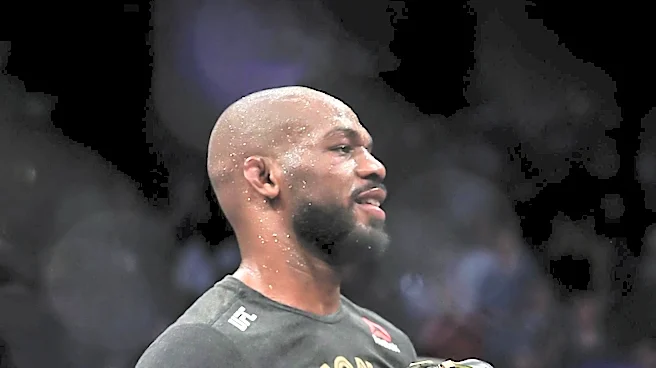
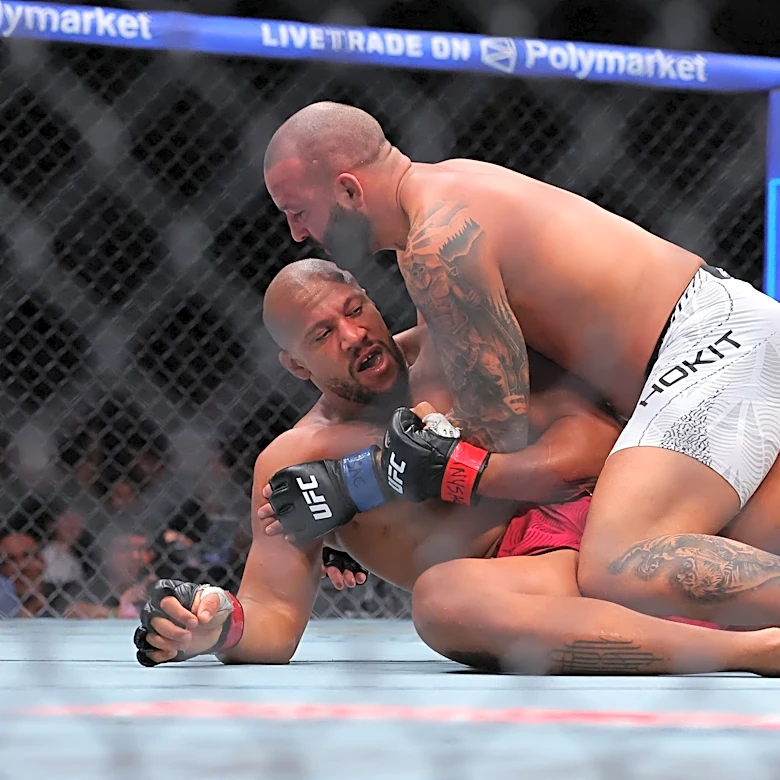
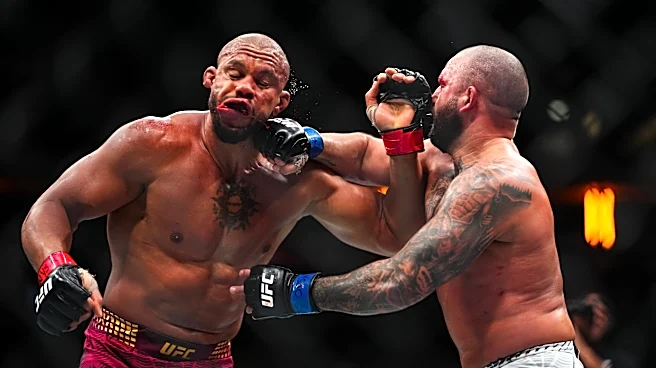
UFC fighters Jon Jones and Josh Hokit engaged in a public social media dispute following UFC 334. The exchange began after Jones commented on Hokit's performance at the event, where Hokit narrowly missed claiming the heavyweight title from Ciryl Gane.
Jones, who is reportedly retired from UFC fighting, initiated the online confrontation by stating he enjoyed seeing Hokit 'humbled' and offered advice on blocking punches. Hokit responded by making serious accusations against Jones, including multiple felony charges, domestic violence, battery, drug addiction, and being a PED cheat. Jones countered by accusing Hokit of making little sense and revealed he had helped a mutual teammate, Simone, who Hokit claimed Jones led to drug use, get admitted to a hospital and paid for his flight home, stating Simone suffers from schizophrenia. The dispute escalated with both fighters trading personal insults and accusations.
Why It's Important?
This public social media feud between two prominent UFC figures highlights the increasing trend of athletes using online platforms to air grievances and engage in personal attacks. For the UFC and its brand, such high-profile disputes can generate significant attention, but also risk tarnishing the image of its athletes and the sport. Fans are exposed to the personal lives and conflicts of fighters, which can either increase engagement or lead to disillusionment. The accusations made by Hokit against Jones, if true, could have serious legal and reputational consequences for Jones, potentially impacting his legacy and any future involvement in the sport. Conversely, Jones's defense regarding Simone's mental health and his assistance could shift public perception. This incident underscores the double-edged sword of social media for public figures, offering direct communication but also a platform for unfiltered and potentially damaging exchanges.
What's Next?
The immediate aftermath of this social media exchange will likely involve continued public discussion and speculation among UFC fans and sports commentators. It remains to be seen if either fighter will issue further statements or apologies, or if the UFC will intervene in any capacity, given the severity of the accusations made. The allegations against Jon Jones, particularly those concerning legal infractions and personal conduct, could prompt further scrutiny from media outlets or even legal entities if new evidence emerges. For Josh Hokit, his performance at UFC 334 and his subsequent online behavior will be under review as he continues his career. The incident may also lead to broader discussions within the UFC community about appropriate conduct on social media for athletes.
Beyond the Headlines
Beyond the immediate conflict, this incident raises questions about the responsibility of public figures, particularly athletes, on social media. The unfiltered nature of platforms like X allows for rapid dissemination of information, both factual and accusatory, without immediate verification. This can lead to significant reputational damage and public judgment. The mention of a mutual teammate's mental health condition and Jones's alleged role in his care also brings to light the complex personal relationships and potential vulnerabilities within professional sports communities. The incident could serve as a case study for how sports organizations manage athlete conduct in the digital age, balancing freedom of speech with brand integrity and athlete welfare. It also highlights the blurred lines between professional rivalry and personal attacks in the public sphere.