

What's Happening?
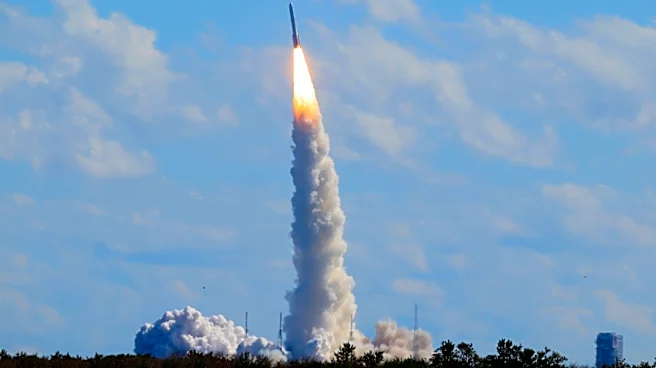
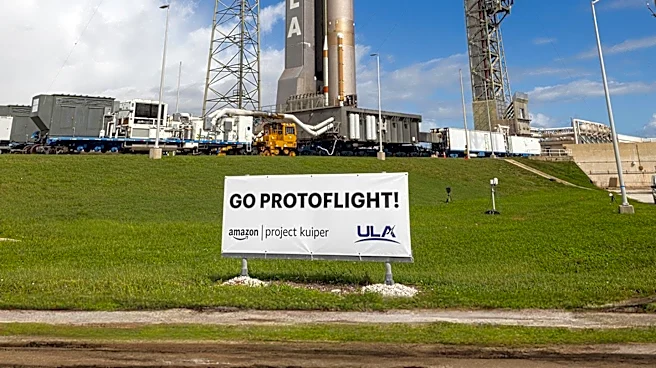
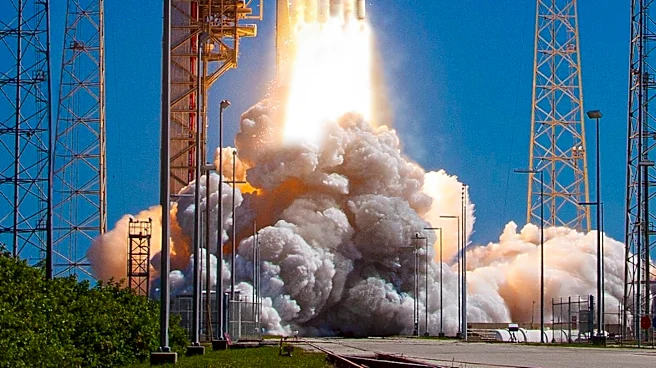
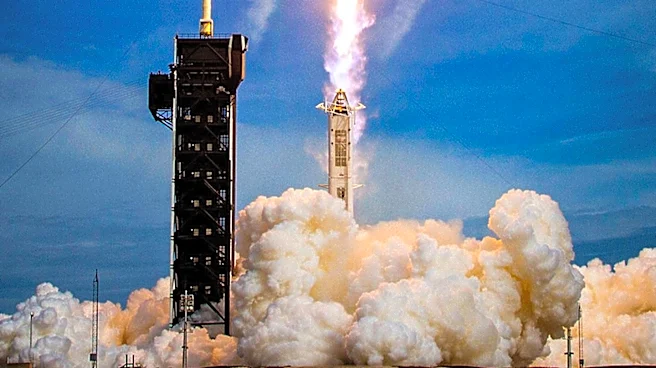
Amazon is expediting several Falcon 9 launches from SpaceX for its Amazon Leo satellite constellation. This decision comes after a United Launch Alliance (ULA) Vulcan rocket failure earlier this month resulted in the loss of 40 Amazon Leo satellites,
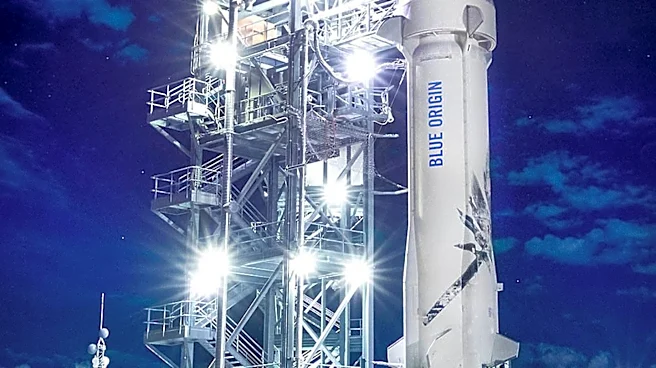
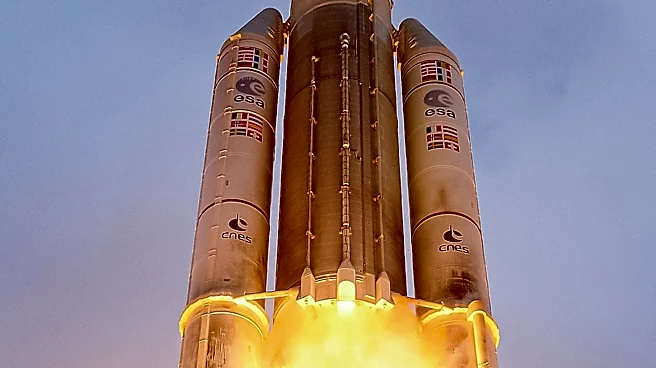
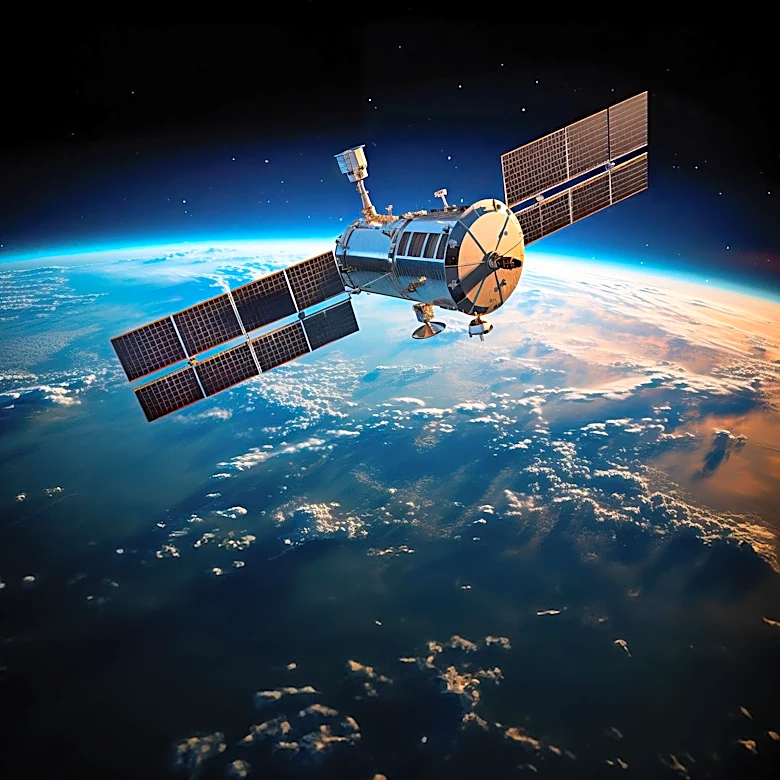
leading to the grounding of the Vulcan launch vehicle, which was Amazon's primary launch provider. The next Falcon 9 launch for Amazon Leo has been moved from 2027 to December, with additional Falcon 9 flights to follow rapidly. Currently, the Amazon Leo constellation has reached 432 satellites after an Ariane 6 rocket successfully launched 36 more satellites. Amazon had initially contracted 108 launches across various Western medium and heavy-lift rockets to deploy a total of 3,232 satellites. Many of these contracts relied on rockets still under development, including Blue Origin's New Glenn, which has been grounded since May due to an explosion.
Why It's Important?
This shift highlights the critical reliance of commercial satellite operators like Amazon on a diverse and reliable launch market. The grounding of ULA's Vulcan and Blue Origin's New Glenn rockets underscores the inherent risks and complexities in space launch operations, forcing Amazon to turn to its competitor, SpaceX, to maintain its deployment schedule. For Amazon, accelerating these launches is crucial to the timely establishment of its Amazon Leo broadband constellation, which aims to provide high-speed internet services globally. The ability to quickly adapt to launch vehicle failures by leveraging alternative providers like SpaceX is vital for companies investing heavily in satellite infrastructure, ensuring business continuity and competitive positioning in the burgeoning satellite internet market. This situation also demonstrates SpaceX's growing dominance and reliability in the commercial space launch sector.
What's Next?
Amazon will proceed with its accelerated Falcon 9 launch schedule, with the next mission planned for December, followed by more flights in quick succession. The continued deployment of Amazon Leo satellites is essential for the constellation to move beyond its current test phase and achieve full commercial operation. The future of Amazon's launch strategy will depend on the resolution of issues with the Vulcan and New Glenn rockets. Meanwhile, the European Space Agency (ESA) and Arianespace are emphasizing the importance of the Ariane 6 rocket in strengthening Europe's independent access to space, especially given the recent launch vehicle challenges faced by other providers. The ongoing competition and collaboration between these major space companies will shape the landscape of satellite deployment and global internet connectivity.
Beyond the Headlines
The incident with the Vulcan rocket and Amazon's subsequent reliance on SpaceX for launches brings into focus the broader implications for national space capabilities and strategic autonomy. While commercial partnerships drive innovation and efficiency, over-reliance on a single provider or a limited set of launch options can expose companies and nations to significant vulnerabilities. For Europe, the successful Ariane 6 launches are not just commercial achievements but also a demonstration of its commitment to independent access to space, reducing its dependence on non-European launch services. This dynamic interplay between commercial interests, national security, and technological advancement will continue to shape investment and policy decisions in the global space industry, influencing everything from broadband access to defense capabilities.