


What's Happening?
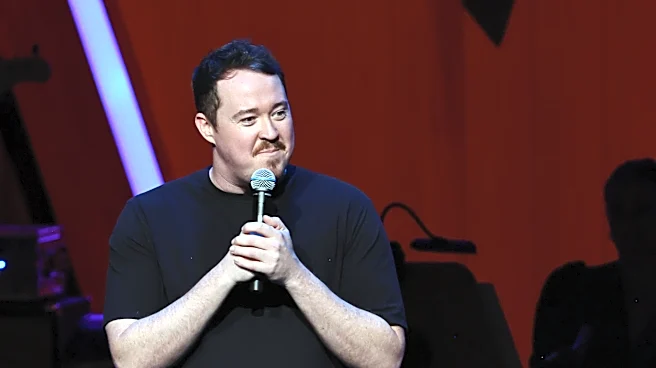
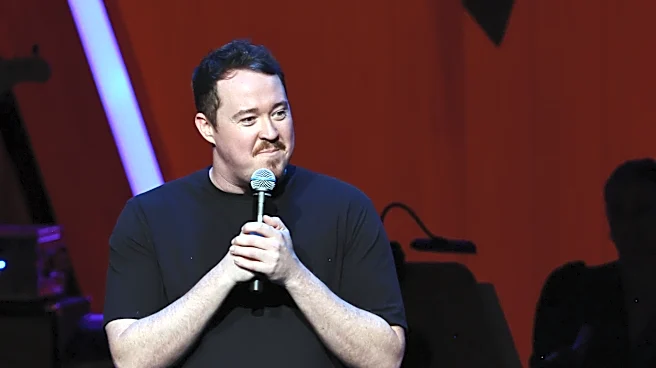
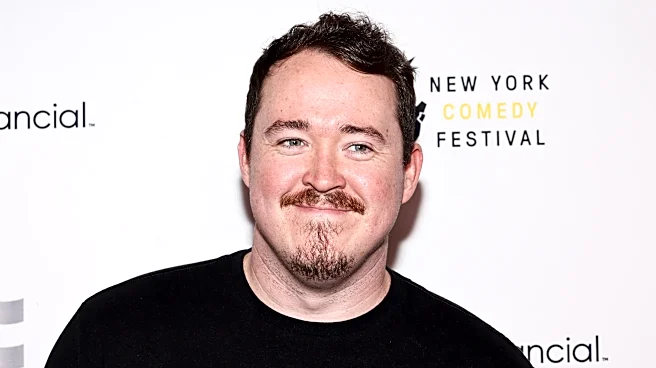
Grace Brassel, the ex-girlfriend of comedian Shane Gillis, has publicly accused him of cheating and emotional manipulation during their relationship, which spanned from 2024 to 2025. In an essay published by The Cut, Brassel detailed discovering explicit
messages between Gillis and another woman, leading to a confrontation where she claims to have thrown her phone and a chair, and punched a hole in a wall. Brassel alleges that Gillis pressured her to quit her job, leading her to become a '25-year-old housewife,' and that he would speak to her 'like a dog' and make 'remarkably cruel' remarks. She also claims he would 'withhold touch' and use pillows to create distance during arguments. Gillis responded to Page Six with a statement acknowledging their 'good times' and wishing her the best, while his representative has not yet provided further comment.
Why It's Important?
This public accusation against Shane Gillis highlights broader issues within the entertainment industry and celebrity culture regarding personal conduct and its impact on public perception. For Gillis, a comedian who has previously faced controversy, these allegations could further affect his career and public image. The essay also sheds light on the dynamics of power and control within relationships, particularly when one partner has a public profile. Brassel's account of emotional abuse, including being pressured to leave her job and experiencing manipulative behavior, resonates with discussions around healthy relationships and the challenges individuals face when navigating such situations. The story contributes to ongoing conversations about accountability for public figures and the potential consequences of their private actions.
What's Next?
The immediate aftermath of Grace Brassel's essay will likely involve continued public discussion and scrutiny of Shane Gillis's character and past behavior. Media outlets may seek further comments from both parties or individuals close to them. For Gillis, the allegations could lead to a reevaluation of his professional engagements, potentially impacting future comedy specials, tours, or television appearances. The essay may also encourage other individuals who have experienced similar situations to come forward, contributing to a broader dialogue about emotional abuse and accountability in relationships. The entertainment industry, already under pressure to address issues of misconduct, may face renewed calls to consider the personal lives of its figures when making professional decisions.
Beyond the Headlines
Beyond the immediate scandal, this story touches upon several deeper implications. It underscores the evolving landscape of public accountability, where personal relationships and alleged misconduct can significantly impact a public figure's career and reputation. The narrative also highlights the psychological toll of emotionally abusive relationships, as described by Brassel, who sought therapy to 'deprogram' from her time with Gillis. This case could serve as a cautionary tale about the potential for power imbalances in relationships, especially when one partner holds a position of public influence. Furthermore, it contributes to the ongoing cultural conversation about how society perceives and responds to allegations of misconduct, particularly in the age of social media where personal stories can quickly gain widespread attention and spark broader discussions about ethical behavior.