






What's Happening?
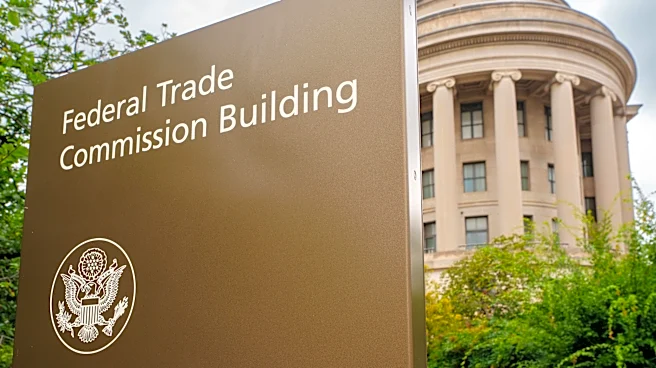
A citizen petition has been filed with the Federal Trade Commission (FTC) by Stephen N.B. Jones, Jr., a retired information-technology support professional from Richmond, Virginia. The petition, tentatively named the 'Advertisement Validation Rule,' requests
that large online advertising sellers, including social media, video, and search platforms, be required to verify the identity of every advertiser before running paid advertisements. This proposed rule would mandate platforms to obtain and verify an advertiser's legal name, business registration, any necessary licenses, and the name of a responsible individual. If an advertiser fails to provide this information, the advertisement would not be disseminated. The petition also calls for platforms to retain validation records for at least five years, swiftly remove fraudulent ads upon discovery, and publicly identify the validated advertiser on each ad. The petitioner argues that this measure is crucial to combat the rising tide of online scams, citing FTC data that reported $2.1 billion in losses to social media scams in 2025, with $1.1 billion attributed to investment scams.
Why It's Important?
This petition, if adopted, could significantly impact the digital advertising landscape in the U.S., particularly for major online platforms and advertisers. It aims to shift the responsibility of vetting advertisers from consumers to the platforms themselves, potentially reducing the prevalence of fraudulent advertisements. For legitimate advertisers, the rule could introduce additional friction and costs due to the verification process, especially for small businesses or individual creators without registered entities. The petitioner acknowledges that platforms like Google and Meta already have some verification programs in place, but the proposed rule's scope is broader, covering every paid advertisement. The debate around Section 230 of the Communications Decency Act is central to this discussion, as platforms may argue that it shields them from liability for user-posted content. However, the petitioner contends that the rule would regulate the platform's own conduct in selling and delivering paid advertising, not treat it as the speaker of the ad, a distinction that courts may ultimately need to clarify.
What's Next?
The FTC has published the petition but, as of November 28, 2026, has not assigned a docket number or initiated a public comment period. According to FTC rules, if the petition meets filing requirements, it would typically be assigned a docket number, followed by a 30-day public comment period. The Commission would then decide whether to grant or deny the petition, in whole or in part. If the FTC declines to initiate a rulemaking, it must publicly state its reasons, which could prompt further action from the public or Congress. A similar bill, the SCAM Act (S. 3774), has been introduced in the Senate, proposing identity verification for advertisers on platforms that accept payment for ads. The outcome of this petition and potential legislative efforts could lead to new regulatory frameworks for online advertising, potentially mirroring stricter regulations seen in other countries, such as the UK's Online Safety Act 2023.
Beyond the Headlines
The petition highlights a growing tension between the desire for open online platforms and the need to protect consumers from fraud. The proposed rule's broad scope, covering all paid advertisements, raises questions about the balance between free speech, commercial speech, and consumer protection. The petitioner's argument that platforms are best positioned to act as 'gatekeepers' before an ad reaches the public challenges the traditional understanding of platform liability. This initiative could set a precedent for how regulatory bodies approach the responsibilities of online intermediaries, potentially leading to a re-evaluation of existing legal frameworks like Section 230. The discussion also touches upon the evolving nature of online advertising, where the lines between user-generated content and paid promotions can be blurred, and the increasing sophistication of online scams necessitates more robust preventative measures.