






What's Happening?
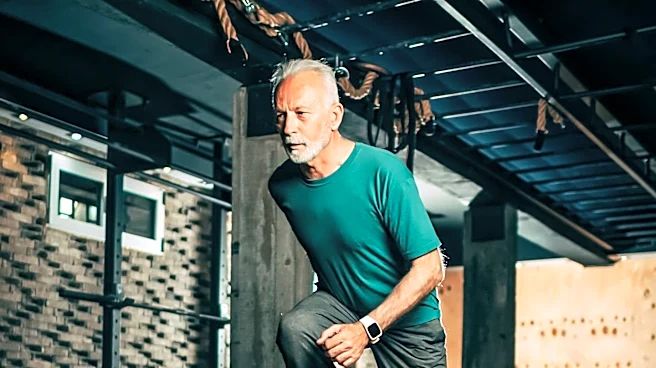
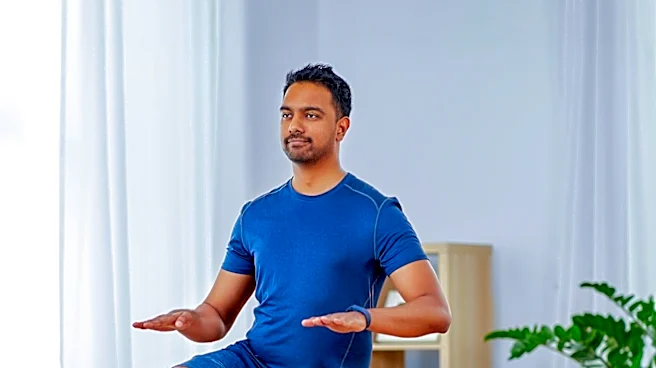
Functional fitness focuses on training the body for everyday movements such as squatting, bending, lifting, pushing, pulling, carrying, twisting, and getting up from the floor. This approach prioritizes exercises that closely mimic real-life tasks to
ensure strength and control transfer effectively to daily activities. A comprehensive functional routine incorporates eight key movement patterns: squat, hinge, lunge, push, pull, carry, rotate, and getting up from the floor, with balance integrated throughout. This training method is not about specific equipment or styles but rather a goal-oriented approach to enhance practical physical capabilities. It is recommended to perform functional fitness routines two to three times per week, progressively increasing difficulty over time. Studies indicate that practicing daily tasks directly can lead to greater improvements in performing those tasks compared to traditional strength training alone, especially in older adults. However, combining both strength training and task-specific practice yields the best results, as strength provides the capacity while task practice teaches its application.
Why It's Important?
Functional fitness is crucial for maintaining independence and quality of life, particularly as individuals age. It directly impacts the ability to perform essential daily activities without assistance, such as climbing stairs, carrying groceries, or rising from a chair. Research, like the LIFE study involving inactive adults aged 70 to 89, demonstrated that a structured exercise program including functional movements significantly reduced the risk of major mobility disability by 18%. Furthermore, simple functional tests, such as the sit-to-stand test and grip strength measurements, have been linked to long-term health outcomes and survival rates. For instance, a higher score on the sit-to-stand test correlates with better survival over several years. This type of fitness is not exclusive to older adults; it helps younger individuals prevent injuries from everyday strains, like lifting luggage, and enables middle-aged adults to engage in activities like gardening without prolonged stiffness. By focusing on practical movements, functional fitness helps individuals build resilience and maintain physical autonomy throughout their lives.
What's Next?
Individuals can begin incorporating functional fitness into their routines by performing simple exercises at home using bodyweight and household objects. Progress can be achieved by increasing load (e.g., adding books to a backpack for carries), expanding range of motion (e.g., squatting lower), reducing support (e.g., moving from two legs to one), and increasing speed for certain movements. Regular retesting, every one to two months, under consistent conditions (same chair, stair, bag, time of day) is advised to track progress and identify areas needing more attention. Initial improvements in the first few weeks often involve smoother movements and better test scores due to practice, with strength gains typically appearing after two to three months. Long-term adherence to these routines helps maintain the acquired strength and functional abilities. For those unable to perform floor exercises, modified seated and standing versions of the patterns can be adopted as a starting point, gradually progressing towards more challenging movements.
Beyond the Headlines
The emphasis on functional fitness highlights a broader shift in understanding health and longevity, moving beyond aesthetic goals or isolated strength metrics to focus on practical, real-world capabilities. This approach underscores the concept of 'use it or lose it,' particularly concerning complex motor skills and balance. The integration of functional movements into daily life, such as taking stairs or carrying groceries, transforms routine activities into opportunities for training, blurring the lines between exercise and daily living. Ethically, promoting functional fitness can contribute to greater independence and dignity for aging populations, reducing reliance on caregivers and healthcare systems. Legally, this focus might influence public health guidelines and recommendations for physical activity, potentially leading to more widespread adoption of functional training principles in community programs and rehabilitation settings. Culturally, it encourages a more holistic view of physical well-being, where fitness is measured by one's ability to engage fully and actively in life, rather than by performance in a gym setting alone.