




What's Happening?
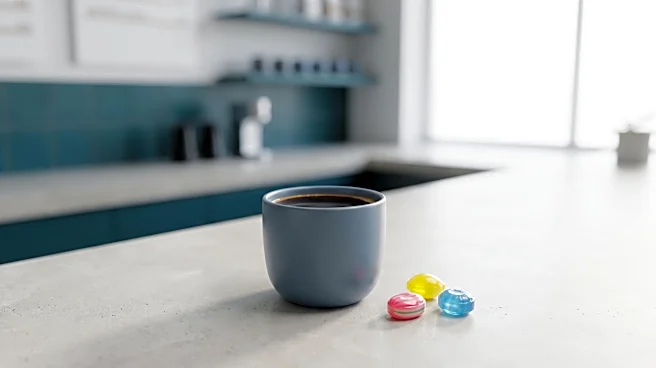
Black & White Coffee Roasters is releasing a new coffee blend called 'The Future Halloween Candy' designed to evoke nostalgic fruity candy flavors. This blend is a 'love letter' to the fruity treats the roasters enjoyed during Halloween. To achieve these
specific flavor profiles, the company combined one washed Ethiopian coffee with three co-fermented lots. The washed Ethiopian coffee, specifically 40% Aricha from Yirgacheffe, Ethiopia, contributes to a vibrant acidity. The co-fermented lots include 25% Sebastian Ramirez - Watermelon from Quindio, Colombia, 20% Sebastian Ramirez - Red Fruits also from Quindio, Colombia, and 15% Huver Castillo - Aponte Florale from Buesaco, Nariño, Colombia. These co-fermented coffees are responsible for delivering the prominent fruit flavors. The resulting coffee is described as fruity, sweet, zippy, and intense, reminiscent of candies like watermelon candy, lemon heads, blue raspberry Jolly Ranchers, and Caramel Apple Pops.
Why It's Important?
This initiative by Black & White Coffee Roasters highlights a growing trend in the food and beverage industry: leveraging nostalgia to create unique product experiences. By specifically targeting the sensory memories associated with childhood Halloween candies, the company aims to connect with consumers on an emotional level, potentially fostering stronger brand loyalty and driving sales. This approach can differentiate products in a competitive market by offering more than just a taste, but an experience. For consumers, it provides an opportunity to revisit cherished memories through a familiar yet novel medium like coffee. The use of specific coffee origins and processing methods (washed and co-fermented) also underscores a commitment to craft and innovation within the specialty coffee sector, demonstrating how complex flavor profiles can be engineered to meet specific conceptual goals.
What's Next?
The release of 'The Future Halloween Candy' blend is likely to generate interest among coffee enthusiasts and those seeking novel flavor experiences, particularly as Halloween approaches. The company will likely monitor consumer reception and sales performance to gauge the success of this nostalgic flavor strategy. If successful, this could lead to more seasonal or themed blends that tap into similar nostalgic concepts. Other coffee roasters and beverage companies might observe this trend and explore their own interpretations of nostalgic flavors, potentially leading to a broader market trend of 'flavor-driven nostalgia.' The detailed breakdown of the coffee origins and processing methods also suggests a continued emphasis on transparency and education for consumers about the sourcing and creation of their products.
Beyond the Headlines
The trend of infusing nostalgic flavors into contemporary products extends beyond coffee, reflecting a broader cultural phenomenon where consumers seek comfort and familiarity in an ever-changing world. This desire for 'simpler times' often manifests in food and beverage choices, as taste and smell are powerful triggers for memory and emotion. The meticulous blending of different coffee beans to achieve specific candy-like notes demonstrates a sophisticated understanding of flavor chemistry and sensory perception. It also blurs the lines between traditional culinary categories, transforming coffee from a mere beverage into a canvas for creative, evocative experiences. This approach could influence product development across various industries, encouraging brands to explore how sensory experiences can be crafted to tap into collective cultural memories and emotional connections.