






What's Happening?
A new report by travel insurance marketplace Squaremouth has identified Greenland as the most expensive travel destination for 2026. The analysis, which examined costs across 50 popular vacation spots, found that travel prices have increased by nearly
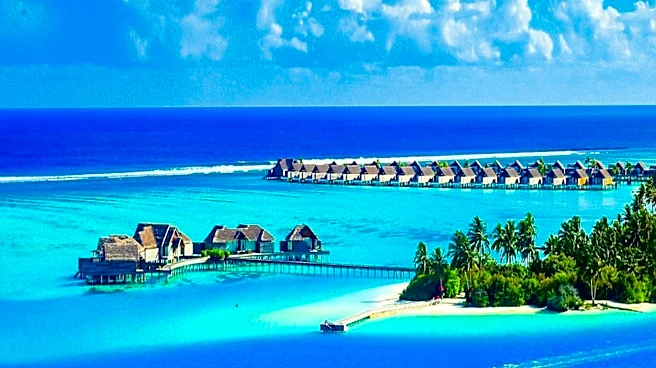
10% over the past year. Greenland topped the list due to steep costs in nearly every category, with average airfare costing $1,357 and daily expenses averaging $1,171. Other highly expensive destinations include the British Virgin Islands, French Polynesia, and Antarctica. The British Virgin Islands ranked second, with average hotel prices of $1,137 per night and daily trip costs of $925. French Polynesia, at third, saw average hotel prices of $1,382 per night, largely due to its iconic overwater bungalows. Antarctica, while ranking fourth overall, had the highest average trip cost at $1,511 per day, primarily due to specialized expedition travel.
Why It's Important?
This report is important for U.S. travelers and the travel industry as it highlights the escalating costs of luxury and remote travel destinations. For U.S. consumers, understanding these price points is crucial for budgeting and planning their future vacations, especially for 'bucket-list' trips. The significant increase in travel prices, nearly 10% over the past year, indicates a broader inflationary trend affecting the tourism sector. This could lead to shifts in travel patterns, with some travelers opting for more affordable destinations or delaying their trips. For travel agencies and insurance providers, these findings offer valuable insights into market demand and pricing strategies. The report also underscores the premium associated with unique, off-the-beaten-path experiences, suggesting that exclusivity and remoteness are key drivers of high travel costs.
What's Next?
Travelers planning trips to these high-cost destinations in 2026 will need to prepare for substantial expenses, potentially leading to increased demand for travel insurance to protect their investments. The report's findings may also encourage some travelers to explore alternative, less expensive destinations or to seek out deals and savings strategies, such as the 52-week savings challenge mentioned. For the travel industry, this data could prompt a re-evaluation of pricing models and the development of more diverse travel packages to cater to different budget levels. Airlines and accommodation providers in these expensive regions might continue to see high demand despite the costs, driven by the unique experiences they offer. The trend of rising travel costs is likely to continue, influencing consumer behavior and industry offerings in the coming years.
Beyond the Headlines
The report subtly reveals a growing divide in the travel market: on one hand, a segment of travelers willing to pay premium prices for unique, often remote, experiences; on the other, a broader market increasingly sensitive to rising costs. This bifurcation could lead to a more stratified travel industry, with distinct offerings for ultra-luxury and budget-conscious travelers. The allure of destinations like Greenland and Antarctica, despite their high price tags, speaks to a desire for experiential travel and a connection with nature that transcends conventional tourism. This trend also raises questions about the sustainability of such high-cost, remote travel, both in terms of environmental impact and accessibility. The 'sticker shock' mentioned in the report could also spur innovation in travel financing and savings, as consumers look for ways to afford their dream vacations.