


What's Happening?
Indianapolis Colts Owner/CEO Carlie Irsay-Gordon has commenced a significant overhaul of the team, marked by the recent firing of longtime general manager Chris Ballard. This decision followed the Colts' 2-4 start to the season and a humiliating loss
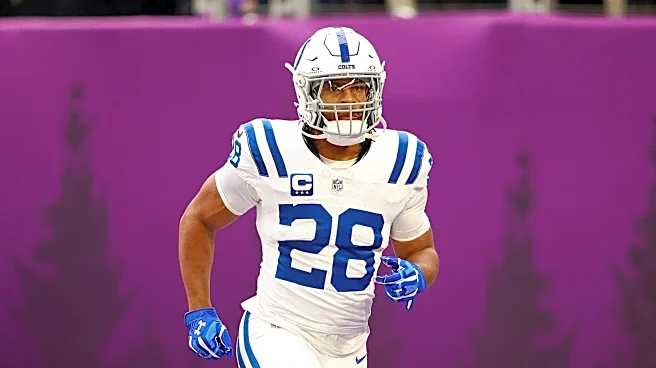
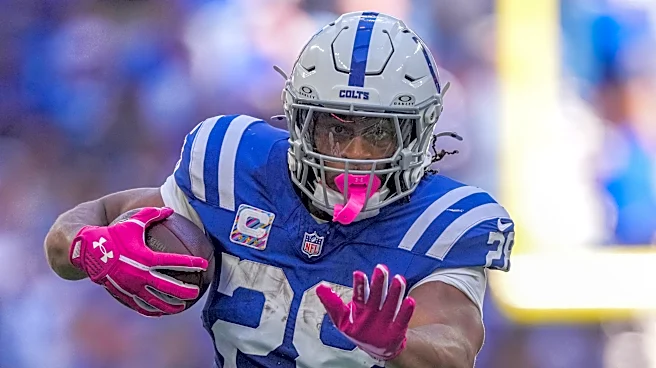
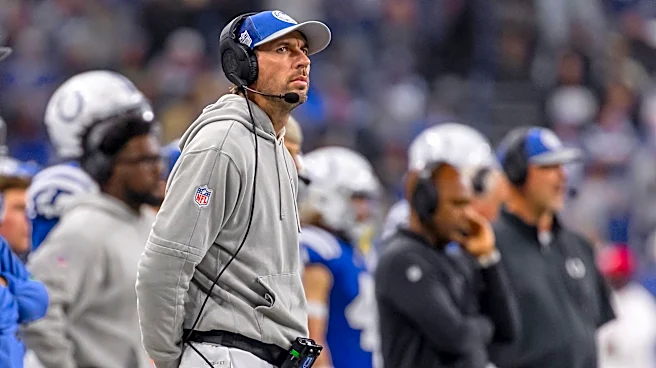
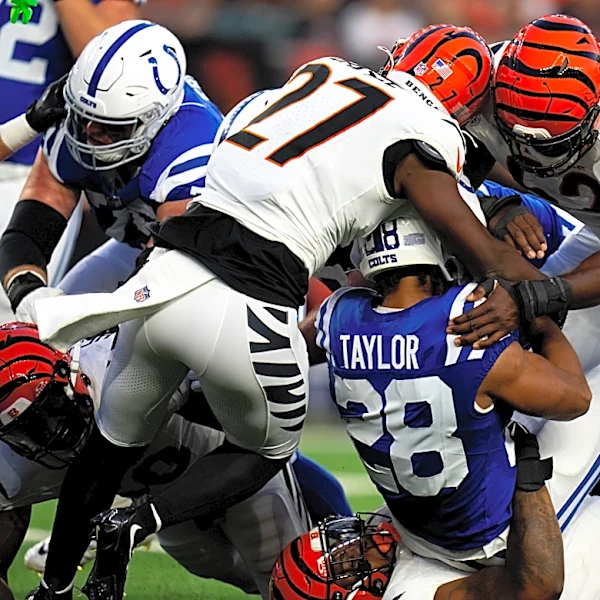
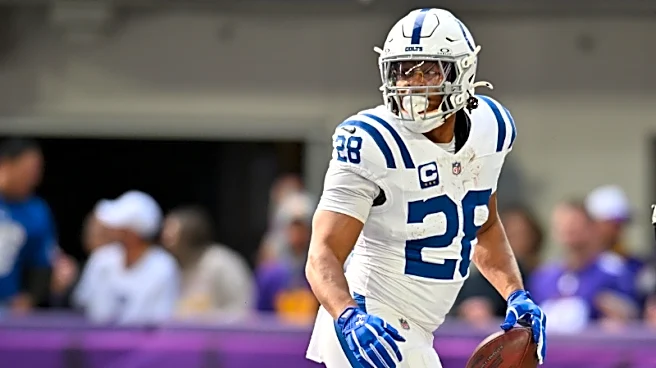
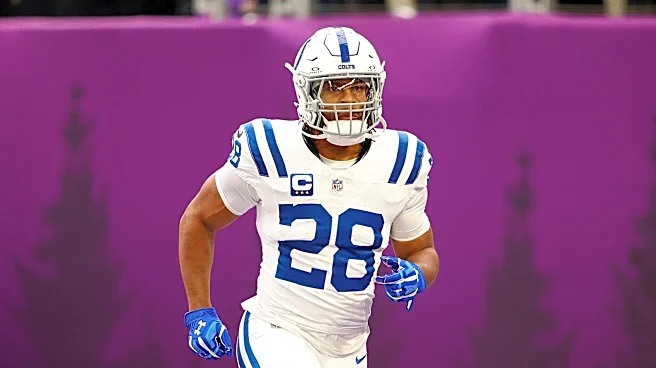
to an winless team. Despite initially bringing back Ballard and head coach Shane Steichen for the 2026 season, Irsay-Gordon emphasized a heightened 'sense of urgency' for the team's performance. The rebuild has already seen the trading of key players, including eight-time Pro Bowl guard Quenton Nelson to the Seattle Seahawks for a 2027 third-round pick and a 2028 fifth-round pick, and defensive tackle DeForest Buckner to the San Francisco 49ers for a 2027 fourth-round pick. The team is reportedly looking to make additional trades before the November 10 deadline, with star running back Jonathan Taylor and wide receiver Josh Downs among those generating significant trade interest. There is also speculation that quarterback Daniel Jones could be a trade candidate, and head coach Shane Steichen's position is under scrutiny following a 42-7 loss to the Jacksonville Jaguars.
Why It's Important?
This aggressive rebuilding strategy by Carlie Irsay-Gordon signals a fundamental shift in the Indianapolis Colts' organizational direction. The decision to part ways with established players and a long-serving general manager underscores a commitment to acquiring future draft assets and reshaping the team's core. This 'fire sale' approach, as described by sources, indicates a long-term vision focused on future competitiveness rather than immediate results. For the NFL, this move highlights the increasing pressure on team ownership to deliver winning seasons and the willingness to make drastic changes when performance falters. The influx of draft picks could significantly alter the team's trajectory in upcoming seasons, potentially impacting the competitive balance within the AFC South and the broader league. The trades also affect the careers of the players involved, moving them to new teams and potentially new roles, while also creating opportunities for younger players within the Colts organization.
What's Next?
The Indianapolis Colts are expected to continue their 'fire sale' leading up to the November 10 NFL trade deadline. NFL insider Jason La Canfora suggests the Colts could make another three to four trades, potentially involving cornerbacks like Sauce Gardner or Charvarius Ward, and wide receivers such as Josh Downs and veteran Keenan Allen. Running back Jonathan Taylor is also a prominent trade candidate, with teams like the New York Giants, Minnesota Vikings, Denver Broncos, Green Bay Packers, Cincinnati Bengals, and Seattle Seahawks reportedly showing aggressive interest. The Colts are reportedly seeking a first-round pick for Taylor, though a second-round pick plus additional compensation is considered more likely. The future of head coach Shane Steichen is also uncertain, with some reports suggesting he could be dismissed as early as Monday following the team's recent poor performance. Interim general manager Ed Dodds will oversee the continuation of the fire sale, focusing on maximizing current roster value and acquiring valuable draft capital, especially given the team's lack of a first-round pick in the upcoming draft.
Beyond the Headlines
The Indianapolis Colts' current situation reflects a broader trend in professional sports where accountability for performance extends to the highest levels of management and ownership. Carlie Irsay-Gordon's decisive actions, including the firing of a long-tenured general manager and the trading of franchise cornerstones, illustrate a willingness to prioritize long-term success over short-term stability. This approach, while potentially disruptive in the immediate future, aims to reset the team's culture and build a sustainable winning program. The emphasis on draft capital over depreciating assets suggests a strategic shift towards youth development and financial flexibility, potentially allowing the team to amass significant cap space. This period of significant change could serve as a case study for other NFL franchises facing similar performance challenges, demonstrating the potential benefits and risks associated with a complete organizational overhaul. The ethical implications of trading popular players and the impact on team morale during such a 'teardown' are also significant considerations.