


What's Happening?
Foam rollers, cylindrical foam devices used for self-administered soft-tissue intervention, are increasingly incorporating vibration technology. These tools apply compressive mechanical pressure over targeted muscle groups to aid in muscle pain relief
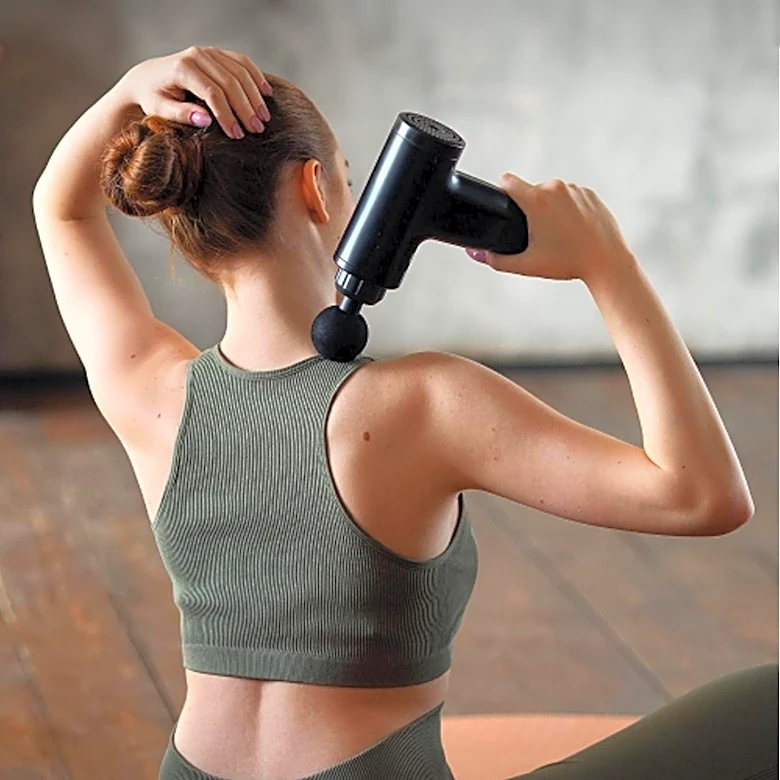
and workout recovery. While traditional foam rollers work on large fascial areas using the user's body weight, the addition of vibration aims to provide more effective results in less time and with reduced discomfort. This technological advancement positions foam rollers as a complementary tool to muscle massage guns, which are designed for more precise targeting of specific pain points and muscle knots. The market now offers various vibrating foam roller products, including specialized shapes like balls and peanuts, to address different body areas and levels of myofascial release.
Why It's Important?
The integration of vibration technology into foam rollers signifies a notable advancement in the self-care and athletic recovery market. This development is important for U.S. consumers, particularly athletes, fitness enthusiasts, and individuals seeking relief from muscle pain, as it offers a potentially more efficient and less painful method for myofascial release. For businesses in the health and wellness industry, this trend creates new product development opportunities and market segments, driving innovation in recovery tools. The enhanced effectiveness of vibrating foam rollers could lead to increased adoption, potentially reducing reliance on professional massage therapy for general muscle soreness and improving overall physical well-being for a broader population. This also highlights a growing consumer demand for advanced, accessible, and effective at-home recovery solutions.
What's Next?
The trend of incorporating vibration into foam rollers is likely to continue, with manufacturers exploring further enhancements in design, intensity settings, and specialized applications for different muscle groups. Consumers can expect to see a wider range of vibrating foam roller products, potentially including smart features that connect to apps for guided recovery routines. The market may also witness increased competition among brands, leading to more affordable and accessible options. Furthermore, research into the efficacy of vibrating foam rollers compared to traditional methods and massage guns could provide further insights into optimal recovery strategies. This could influence recommendations from physical therapists and fitness professionals, potentially integrating these advanced tools more formally into rehabilitation and training protocols.
Beyond the Headlines
The evolution of foam rollers with vibration technology reflects a broader societal shift towards proactive self-care and personalized wellness. This trend extends beyond physical recovery, touching upon the psychological benefits of reduced pain and improved mobility, which can enhance daily quality of life. The accessibility of these tools empowers individuals to take a more active role in managing their physical health, potentially reducing healthcare costs associated with chronic muscle pain. However, it also raises questions about proper usage and the potential for misuse without professional guidance. The increasing sophistication of at-home recovery devices underscores a growing reliance on technology to optimize human performance and well-being, blurring the lines between professional therapeutic interventions and consumer-grade self-treatment options.