





What's Happening?
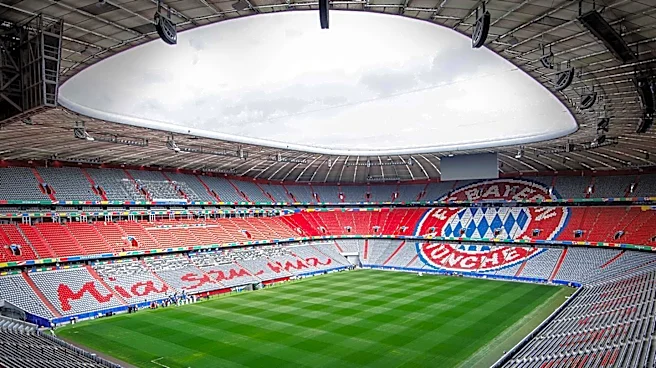
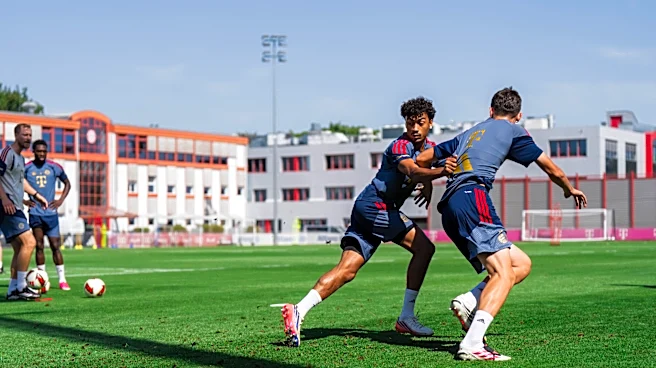
Bayern Munich is undergoing a significant shift in its financial strategy, moving towards substantial long-term infrastructure investments rather than solely focusing on expensive player acquisitions. The club is extensively modernizing its professional
facilities at Säbener Straße and plans to begin construction of a new Performance Center for its basketball department in 2027, funded by the club’s e.V. Additionally, Bayern Munich has acquired Sportpark Unterhaching for approximately €7.5 million, with renovation costs expected to at least double that figure, intending it to become the new home for its women’s team. Club President Herbert Hainer emphasized that Bayern Munich operates with financial sensibility, ensuring all assets are self-funded and paid off. This approach allows the club to invest in its future from a strong financial foundation, demonstrating a willingness to adjust spending trajectories when necessary, a discipline that distinguishes it from many European competitors.
Why It's Important?
This strategic financial shift by Bayern Munich highlights a growing trend among major sports organizations to prioritize sustainable growth and long-term asset development over short-term gains from player transfers. By investing heavily in facilities for both its men's and women's teams, and its basketball department, Bayern Munich is building a robust foundation that can attract and develop talent across multiple sports and genders. This move could set a precedent for other clubs, encouraging a more balanced financial model that emphasizes infrastructure and youth development. The investment in the women's team's new home, Sportpark Unterhaching, also underscores a commitment to elevating women's sports, potentially increasing its visibility and commercial viability. This approach ensures financial stability and operational independence, as the club owns its major assets outright, reducing reliance on external funding or debt.
What's Next?
The construction of the new Performance Center for the basketball department is slated to begin in 2027, indicating a multi-year commitment to enhancing facilities. Renovations for Sportpark Unterhaching are also underway, with new turf expected in September, preparing it to host the women's team, potentially including Champions League matches. Bayern Munich's continued adherence to this disciplined financial strategy will be closely watched, especially as it navigates future transfer windows and potential economic fluctuations. The success of these infrastructure projects could influence other major sports clubs to adopt similar long-term investment models. The club's ability to maintain financial flexibility while making significant capital expenditures will be a key indicator of the strategy's effectiveness.
Beyond the Headlines
Beyond the immediate financial implications, Bayern Munich's strategy reflects a broader philosophical shift in sports management, moving towards holistic club development. This includes fostering a multi-sport identity and promoting gender equality within its athletic programs. The investment in the women's team's dedicated facility is not just about infrastructure; it's a statement about the club's values and its vision for the future of women's football. This could lead to increased fan engagement and commercial opportunities in women's sports, challenging traditional revenue models. Furthermore, the emphasis on self-funding and owning assets outright provides a model of financial resilience, potentially insulating the club from the volatility often seen in the sports industry, and promoting a culture of long-term planning and sustainability.