
What's Happening?
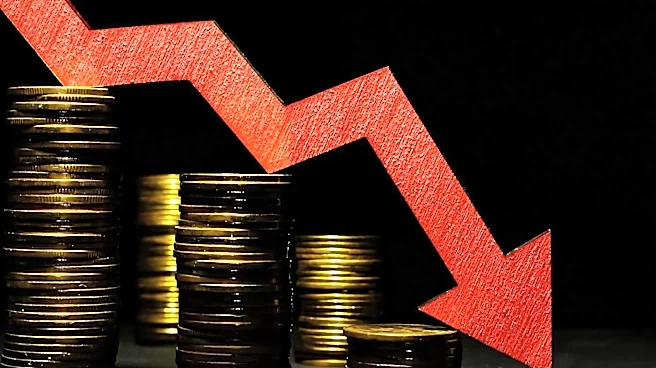
The rate of personal bankruptcies in the United States has increased by nearly 50% from 2022 to 2025, according to the Administrative Office of the U.S. Courts. Despite this rise, the current rate remains
below pre-pandemic levels. The increase in filings suggests that more Americans are struggling to manage their financial obligations, with many turning to bankruptcy as a last resort for debt relief. Experts note that the stigma surrounding bankruptcy is diminishing as more individuals find themselves unable to cope with mounting debts.
Why It's Important?
The rising bankruptcy rates highlight the financial challenges faced by many Americans, particularly in the wake of the pandemic and the subsequent economic shifts. This trend indicates a growing number of individuals reaching a financial breaking point, which could have broader implications for consumer spending and economic stability. The increase in bankruptcies may also reflect the end of pandemic-era financial support measures, such as stimulus checks and expanded unemployment benefits, which had temporarily alleviated financial pressures for many households.
What's Next?
As bankruptcy filings continue to rise, policymakers and financial institutions may need to consider measures to address the underlying causes of financial distress. This could include revisiting social safety nets, exploring debt relief options, or implementing financial literacy programs to help individuals better manage their finances. Additionally, the trend may prompt discussions about the accessibility and effectiveness of bankruptcy as a tool for financial recovery, potentially leading to reforms in bankruptcy laws and procedures.