






What's Happening?
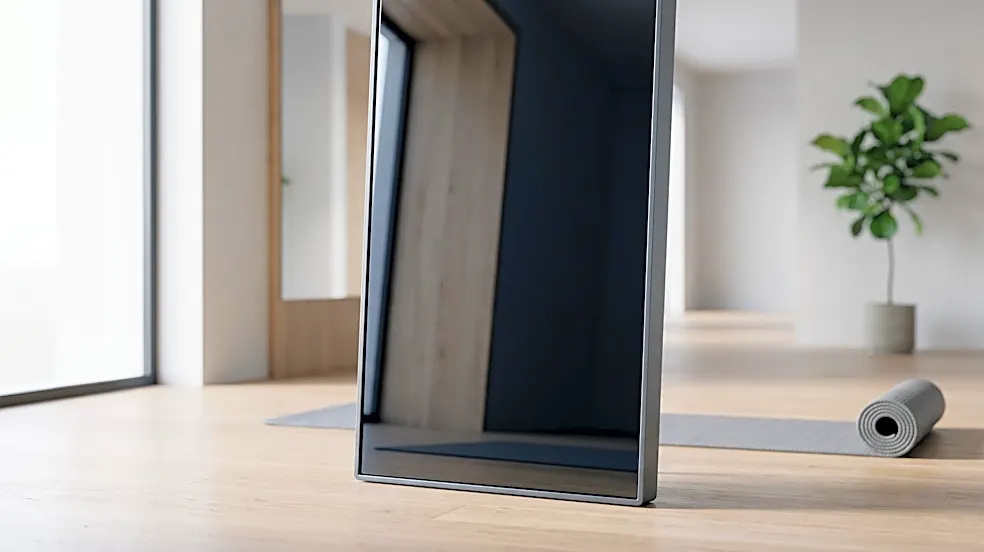
The Lululemon Mirror, a premium fitness mirror sold since 2018 and acquired by Lululemon in 2020, was discontinued in 2023. Despite its discontinuation, the hardware remains functional, leading owners to explore repurposing options. The device, essentially
an Android computer with a large display behind two-way glass, includes a camera, speakers, and Wi-Fi. An open-source project named 'lululemon-mirror-repurpose' by TimStewartJ offers a software-only solution to convert early Qualcomm-based units into smart mirrors. This project replaces the MIRROR's stock home app via ADB (Android's developer connection), providing features like clock, weather, photo dashboards, custom web pages, Home Assistant integration, phone/desktop web controls, sleep/wake schedules with motion sensing, and video playback/casting. This repurposing is specifically supported on early units with a Qualcomm APQ8016/MSM8916 chip running Android 6.0.1, build IFC-6309-2.0-MIR. Later units with NXP i.MX8 chips are not yet supported by this project.
Why It's Important?
The discontinuation of the Lululemon Mirror highlights the challenges and rapid evolution within the connected fitness technology market. For consumers who invested in the device, the availability of open-source repurposing options offers a way to extend the product's utility and value, preventing it from becoming e-waste. This movement also underscores the growing trend of hardware hacking and community-driven development, where users take control of their devices beyond official support. For Lululemon, the discontinuation reflects a strategic shift away from this particular hardware product, potentially to focus on other aspects of its fitness ecosystem or to adapt to market demands. The ability to repurpose these devices also creates a secondary market for secondhand units, making advanced smart mirror technology more accessible to hobbyists and developers at a lower cost, fostering innovation in smart home applications.
What's Next?
For owners of early Lululemon Mirror units, the 'lululemon-mirror-repurpose' project provides an immediate pathway to transform their device into a customizable smart mirror. However, this process requires technical proficiency, including familiarity with Java, Android SDK, Node.js, and Python. Owners of later NXP i.MX8-based units will need to wait for potential future open-source development or consider more advanced hardware modifications, such as stripping the unit down to its display and integrating it with a different single-board computer like a Raspberry Pi. The community around these repurposing efforts may grow, leading to more user-friendly tools or broader hardware support. The availability of cheap secondhand units on platforms like Facebook Marketplace is likely to increase, attracting more makers and developers to experiment with these devices, potentially leading to new applications and innovations in smart display technology.
Beyond the Headlines
The trend of repurposing discontinued smart devices like the Lululemon Mirror raises broader questions about product longevity, consumer rights, and the environmental impact of technology. In an era of rapid technological obsolescence, community-led initiatives to extend the life of hardware offer a model for sustainable consumption and reduced electronic waste. This movement challenges the traditional manufacturer-controlled lifecycle of smart devices, empowering users to adapt and innovate. Ethically, it highlights the tension between proprietary technology and the right to repair or modify purchased goods. Legally, it navigates the grey areas of software licensing and hardware ownership. Culturally, it fosters a DIY ethos within the tech community, promoting skill-sharing and collaborative problem-solving. This could influence future product design, encouraging manufacturers to consider modularity and open-source compatibility to enhance product lifespan and user engagement.