






What's Happening?
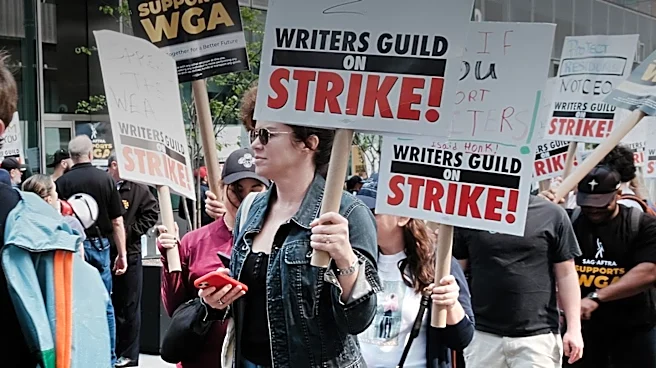
On October 30, 2026, three prominent entertainment labor unions—SAG-AFTRA, the Writers Guild of America (WGA), and the American Federation of Musicians (AFM)—filed a joint brief urging a federal judge to reject OpenAI's fair use defense in an ongoing
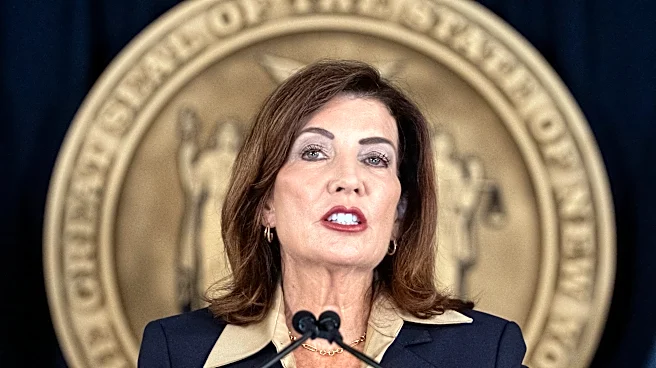
copyright infringement lawsuit. The unions contend that OpenAI's practice of training its generative AI models on copyrighted creative works, such as novels, screenplays, and music compositions, without proper licensing agreements, causes significant harm to their members. SAG-AFTRA President Fran Drescher emphasized that this case is a critical juncture for how AI companies acquire training data. The unions argue that this unlicensed training leads to the creation of derivative works that directly compete with human creators in commercial markets, thereby invalidating any claim of fair use. They assert that OpenAI's use is neither transformative nor non-commercial, and allowing it would undermine established copyright protections essential for creative livelihoods.
Why It's Important?
This legal challenge is crucial for the future of creative industries and the application of copyright law in the age of artificial intelligence. The unions claim that AI models trained on their members' work without permission result in economic and artistic harm. Writers report AI-generated scripts mimicking their styles, musicians find AI compositions replicating copyrighted melodies, and voice actors discover synthetic voices created from their performances without authorization. These harms extend beyond lost income, violating creators' moral rights and potentially diluting the artistic value of original works by flooding markets with AI-generated alternatives. A ruling against OpenAI's fair use defense could compel AI companies to negotiate licensing deals with rights holders, establishing new revenue streams for creators and restoring some control over how their work is used to train commercial AI systems. This case could set a precedent for how copyright law applies to generative AI development and the balance of power between technology companies and content creators.
What's Next?
The October 30, 2026, filing marks a pivotal moment in the legal battle over AI training data. If courts reject fair use defenses for generative AI, the entire industry may need to restructure how it sources training content. This could lead to significant changes in AI development practices and copyright policy. Legal experts suggest that a ruling against OpenAI could require AI companies to secure licensing agreements or remove copyrighted material from their training pipelines. OpenAI has maintained that its training practices fall within fair use, arguing that AI models learn patterns rather than copying specific works. However, the unions counter that generative AI's ability to produce new creative works distinguishes it from tools that merely index or reference existing content. The outcome of this case will likely influence how AI companies operate and how creative content is protected in the digital era for years to come.
Beyond the Headlines
The implications of this lawsuit extend beyond immediate financial and legal considerations, touching upon fundamental ethical and cultural dimensions. The unions' argument highlights a broader concern about the devaluation of human creativity and labor in the face of rapidly advancing AI technology. If AI models can freely replicate and generate content based on copyrighted works, it raises questions about the originality and authenticity of artistic expression. This case could trigger a long-term shift in how intellectual property is defined and protected in the digital realm, potentially leading to new legal frameworks designed specifically for AI-generated content. It also underscores the ongoing tension between technological innovation and the rights of creators, prompting a societal debate about who benefits from and who bears the cost of AI's transformative power. The resolution of this case could redefine the relationship between technology companies and content creators, impacting the future of artistic production and consumption.