




What's Happening?
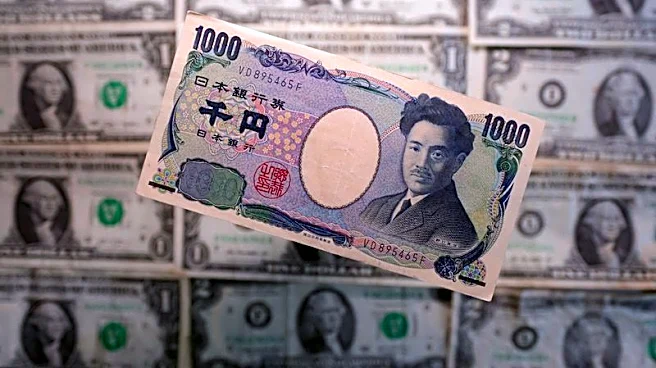
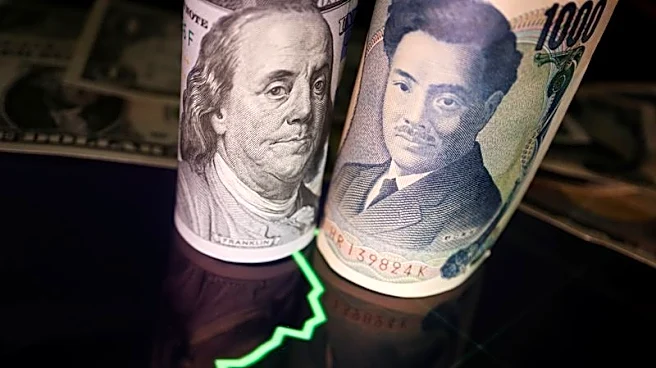
The U.S. Dollar Index has fallen over 2% from its yearly high, breaking below the May uptrend and entering a critical support zone. The decline is attributed to weakening momentum and the loss of trend support, with traders eyeing the upcoming Non-Farm
Payrolls report for direction. The report could influence Federal Reserve policy, determining whether the current pullback is a healthy correction or a sign of broader weakness. The dollar's performance is also affected by geopolitical tensions and economic indicators, with the market closely watching for signs of a shift in trend.
Why It's Important?
The U.S. dollar's performance is a key indicator of economic health and influences global trade and investment. A weaker dollar can impact import and export dynamics, affecting inflation and economic growth. The current technical pressure highlights the challenges facing the U.S. economy, including potential shifts in Federal Reserve policy. For investors, understanding the dollar's trajectory is crucial for making informed decisions in currency and commodity markets. The situation underscores the interconnectedness of global economies and the impact of U.S. economic policies on international markets.
What's Next?
The upcoming Non-Farm Payrolls report will be pivotal in shaping market expectations for Federal Reserve policy. A resilient labor market could reinforce expectations for a restrictive Fed, while signs of cooling employment may temper rate-hike expectations. Traders will also monitor geopolitical developments and economic indicators for further clues on the dollar's direction. The market's response to these factors will determine the sustainability of the current trend and the potential for further declines.