






What's Happening?
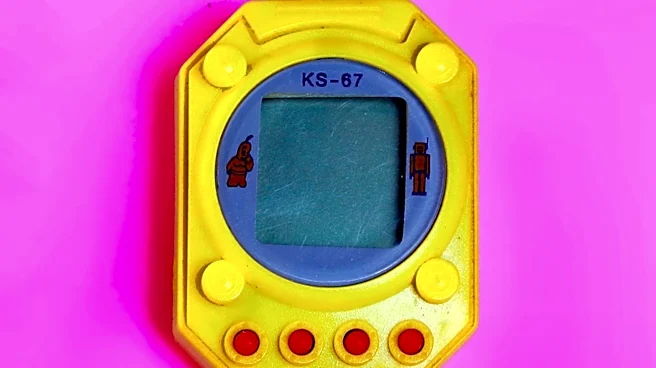
Brands like Gap are capitalizing on nostalgia for the late 1990s and early 2000s, known as the Y2K era, to appeal to Gen Z consumers. By reviving the aesthetic and cultural elements of this period, such as low-rise jeans and iconic music, these brands
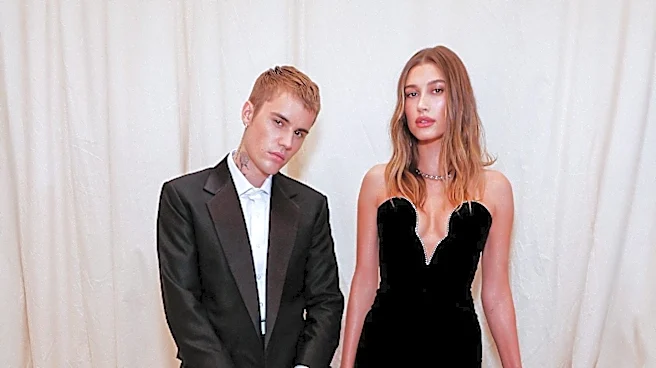
are tapping into the 'millennial ache'—a longing for the pre-digital era. This strategy involves using Gen Z influencers like Hailey Bieber to front campaigns that blend past and present cultural elements. The approach aims to create a sense of familiarity and emotional connection with younger consumers who are drawn to the authenticity and simplicity of the Y2K era.
Why It's Important?
The strategic use of nostalgia by brands like Gap highlights a significant trend in marketing where emotional resonance is leveraged to engage younger audiences. This approach not only revitalizes older brands but also bridges generational gaps by connecting the cultural touchstones of millennials with the preferences of Gen Z. As brands continue to explore this strategy, it could lead to a broader shift in marketing practices, emphasizing emotional engagement and cultural relevance over traditional advertising methods. This trend also underscores the importance of understanding consumer psychology and the role of nostalgia in purchasing decisions.