








What's Happening?
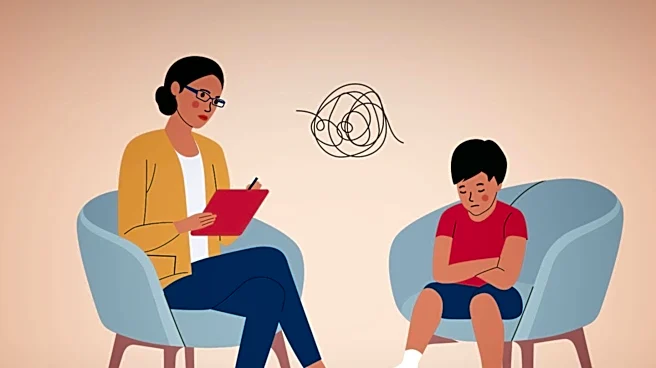
A psychiatrist shares personal insights into the phenomenon of 'cinematic neurosis,' where individuals experience intense and lasting psychological reactions to horror films. The psychiatrist recounts a personal history of fear triggered by horror movies,
beginning with a childhood experience of watching a werewolf transformation. This fear persisted into adulthood, prompting an exploration of why horror films evoke such strong reactions in some individuals. The concept of cinematic neurosis is discussed, highlighting cases where films have induced symptoms akin to post-traumatic stress disorder (PTSD). The psychiatrist examines factors that contribute to these reactions, such as early exposure to horror, high empathy, and personal emotional challenges.
Why It's Important?
The exploration of cinematic neurosis sheds light on the broader impact of media on mental health. Understanding how horror films can trigger intense psychological responses is crucial for mental health professionals, parents, and educators. It highlights the need for awareness of individual differences in media consumption and the potential for certain content to exacerbate existing mental health issues. This knowledge can inform guidelines for media exposure, particularly for children and vulnerable populations, and contribute to discussions on the ethical responsibilities of filmmakers and content creators in portraying horror and trauma.
Beyond the Headlines
The discussion of cinematic neurosis also touches on cultural and psychological themes, such as the role of horror in society and its ability to reflect and amplify societal fears. The psychiatrist's insights into the 'uncanny' and the psychological mechanisms behind fear responses offer a deeper understanding of why horror remains a popular genre. This exploration invites further research into the therapeutic potential of horror films, as well as their use in psychological studies to better understand fear and trauma. It also raises questions about the balance between entertainment and psychological impact in media production.