



What's Happening?
Liquid Death, a beverage brand known for its edgy marketing and unique can design, is currently facing class-action complaints regarding its 'zero-sugar' labeling. This legal challenge also extends to other brands like David protein and Grüns. The lawsuits
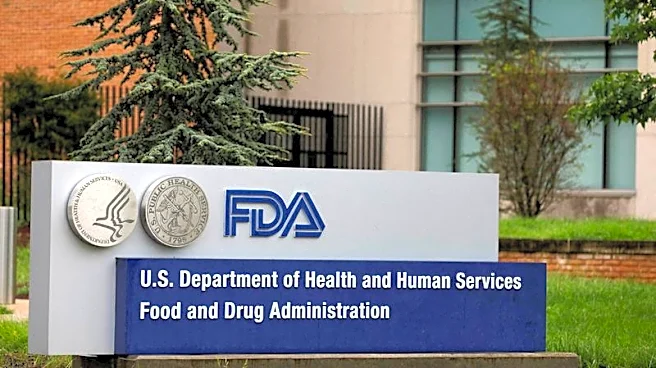
stem from an FDA amicus brief which clarified that allulose, a natural sweetener used in these products, should be counted as sugar under federal law. Allulose is a monosaccharide found in foods like figs and molasses, and while it offers sweetness without being broken down by the body into calories or causing a glycemic response, the FDA's guidance states that products containing more than 0.5g of 'sugar' (defined as the sum of all free mono- and disaccharides) cannot be advertised as 'sugar-free.' This reclassification has led to the legal actions, citing a revived Chobani lawsuit as a precedent.
Why It's Important?
This development is significant for the U.S. food and beverage industry, particularly for companies marketing 'zero-sugar' or 'sugar-free' products. The FDA's interpretation of 'sugar' to include allulose, despite its unique metabolic properties, could force a re-evaluation of labeling practices across the industry. Brands that have relied on allulose to achieve 'zero-sugar' claims may need to reformulate products or revise their marketing strategies to avoid similar legal challenges. Consumers who actively seek sugar-free options for dietary or health reasons might become confused or distrustful of product labels, potentially impacting purchasing decisions. This situation also highlights a broader debate about how natural sweeteners are classified and communicated to the public, and the potential for litigation to shape industry standards and consumer expectations.
What's Next?
The ongoing class-action lawsuits against Liquid Death and other brands will likely proceed, potentially setting new precedents for 'zero-sugar' labeling in the U.S. food and beverage market. Companies using allulose or similar natural sweeteners will need to closely monitor these legal proceedings and the FDA's evolving guidance. It is probable that many brands will review their product formulations and labeling to ensure compliance and mitigate legal risks. This could lead to a shift in how 'sugar-free' claims are made, possibly favoring artificial sweeteners or requiring more nuanced explanations of ingredients. Consumers may see changes in product descriptions and ingredient lists as companies adapt to these regulatory and legal pressures, potentially influencing the availability and marketing of certain 'sugar-free' products.
Beyond the Headlines
Beyond the immediate legal and labeling implications, this situation raises deeper questions about consumer perception of 'sugar-free' products and the role of regulatory bodies in defining nutritional claims. While allulose does not contribute calories or impact blood sugar in the same way as traditional sugars, its classification as 'sugar' by the FDA for labeling purposes could be seen as a technicality that overlooks its functional benefits for those managing sugar intake. This could inadvertently push companies towards more artificial alternatives, which some consumers actively try to avoid. The outcome of these lawsuits and the industry's response could influence public health discourse, potentially leading to a re-evaluation of how 'healthy' or 'diet' products are formulated and marketed, and how consumers interpret these claims in their pursuit of healthier lifestyles.